 English
 العربية
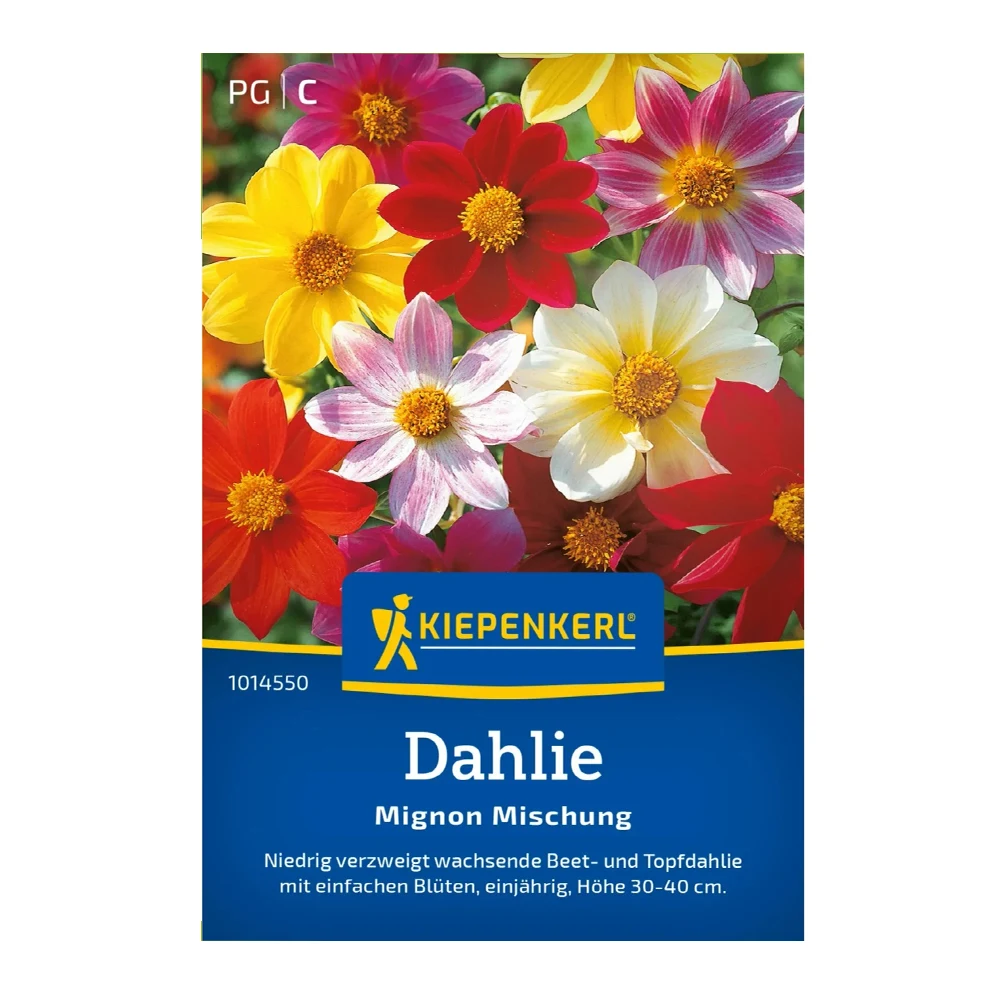
Dahlia Mignon Mix
1,750 KWD
Dahlia Mignon Mix is the classic dwarf single-flowered dahlia — compact, prolific, and entirely self-supporting plants of 45–60 cm producing an endless succession of open-faced blooms in pink, red, yellow, orange, and white with warm golden centers throughout the cool season. An enchanting mixture of colorful blooms with bright yellow centers, produced all through the season over neat, dwarf plants with rich, bright green foliage — adored by bees and other pollinators, ideal for pots, tubs, borders and beds. The Mignon type is the dahlia for gardeners who want the full beauty of the dahlia flower in a no-fuss, no-stake compact plant grown entirely from seed.
Out of stock
Dahlia Mignon Mix Seeds
(Dahlia pinnata — Dwarf Single-Flowered Dahlia — Multicolor Mix)
The dahlia has been in Europe for over two hundred years. It came from Mexico to the Botanical Gardens in Madrid towards the end of the eighteenth century and was named by Abbe Cavanille in honor of Andreas Dahl, Swedish scientist and environmentalist. The initial named species imported into Europe were Dahlia pinnata, Dahlia rosea, and Dahlia coccinea.
The first dahlias grown outside of Madrid were single open-centered flowers, but it was not long before horticulturalists discovered the dahlia was a natural hybrid and when grown from seed it readily changed its form and color — so that today we have a range of dahlia types that offer something to please everyone.
The history of the dahlia in Mexico stretches back to the Aztec civilization where it was known as Acocoxochitl, meaning water pipe flower. The Aztecs used its hollow stems to carry water and air. Officially declared Mexico’s national flower in 1963, the dahlia represents the country’s indigenous pride and connection to nature — its bold colors and intricate patterns are often seen as a metaphor for the diversity and richness of Mexican traditions.
From this wild Mexican highland flower with its simple open single blooms, centuries of European breeding produced the vast range of dahlia forms — decorative, cactus, pompom, ball, anemone — that fills modern catalogues. The Mignon type returns closest to the original open single form that first arrived in Madrid in 1789.
The word Mignon is French for small, dainty, or delicate — an accurate description of the variety’s character. Mignon Mix features compact, bushy plants that reach about 45–60 cm tall, making them an excellent choice for smaller spaces or front-of-border plantings. The bright, cheerful blooms showcase a stunning mix of pink, red, yellow, orange, and white with a classic open-faced single-petal form that invites bees and butterflies to visit. Each flower measures around 5–7 cm in diameter, creating a continuous display of color throughout the season.
Unlike taller dahlia varieties, Mignon Mix requires no staking. This is one of its most practical advantages — the heavy, fully double blooms of large decorative and cactus dahlias require considerable support infrastructure, while the lighter single flowers of the Mignon type are fully supported by the compact, well-branched plant structure. The result is a dahlia that can be grown in containers on a balcony, in a window box, or at the front edge of a raised bed without any additional management beyond regular watering.
As dahlias grow, they develop small tubers at their roots. During the flowering season the dahlia grows a rootstock. These tubers can be lifted, stored in a dark cool frost-free place in a cardboard box filled with sand, and replanted the following season — giving the home grower a way to multiply their best plants from year to year beyond the initial seed sowing.
Variety Details
- Botanical Name: Dahlia pinnata (syn. Dahlia variabilis)
- Series/Type: Mignon — Dwarf Single-Flowered Bedding Dahlia
- Common Names: Mignon Dahlia, Dwarf Single Dahlia, Bedding Dahlia, Border Dahlia
- Origin of species: Mexico and Guatemala — national flower of Mexico since 1963
- Seed Type: Open pollinated mix
- Plant Type: Half-hardy perennial grown as a cool-season annual (develops tubers)
- Family: Asteraceae
Key Features
- Classic dwarf single-flowered dahlia — the type closest to the original wild dahlia form
- No staking required — compact bushy habit fully self-supporting at 45–60 cm
- Full multicolor mix: pink, red, yellow, orange, and white with warm golden centers
- Prolific and continuous bloomer — more flowers than you can harvest throughout the season
- Develops tubers during the growing season — can be lifted, stored, and replanted next year
- Outstanding pollinator value — open single flower form provides easy access for bees and butterflies
- Selected by the RSPB for wildlife value
- Good cut flower — open single blooms last well in the vase
- Fast germination: 14–21 days at 15–20°C
- Light fragrance — mild pleasant scent
- Easy to grow from seed — no specialist knowledge required
Plant Information
- Height: 45–60 cm
- Spread: 30–40 cm
- Habit: Compact, bushy, well-branched — no staking needed
- Flower Size: 5–7 cm across
- Flower Form: Single, open-faced with one ring of petals around a golden central disc
- Color Mix: Pink, red, yellow, orange, white — golden yellow centers throughout
- Root System: Develops tubers during the growing season
Germination Instructions
- Sow 0.5 cm deep in trays of compost. Water well and place in a warm position.
- A temperature of 15–20°C is ideal. Keep moist.
- Seedlings usually appear in 14–21 days. Sow two to three seeds per cell and thin to the strongest seedling once established.
- When seedlings are large enough to handle with two to three true leaves, transplant into individual 7–8 cm pots and grow on in warm conditions before moving to the final outdoor position.
- Final spacing: 25–30 cm between plants. Dahlias resent cold soil — do not transplant outdoors until temperatures are consistently above 18°C. Jerra’s Garden
- For Kuwait: sow indoors in air-conditioned conditions in September for transplanting in October.
- Kuwait’s warm October soil temperature suits dahlia root development perfectly, and plants will establish rapidly before the cool-season temperatures trigger peak flowering in November.
- Alternatively, sow in February–March for a spring display.
Growing Tips
- Grow in full sun in fertile, well-drained soil enriched with organic matter.
- Dahlias are moderately heavy feeders — incorporate compost or a balanced slow-release fertilizer at planting and supplement with a liquid fertilizer every two weeks during the flowering season.
- Water consistently and deeply, keeping the soil evenly moist but never waterlogged — wet roots cause the developing tubers to rot.
- Water at soil level rather than overhead to keep the foliage dry.
- Deadhead spent flowers regularly to encourage the plant to produce replacement blooms continuously throughout the season.
- Deadheading often ensures a longer, more beautiful, and more abundant flowering season.
Pinch out the growing tip of young plants at 20–25 cm height to encourage a bushy, well-branched structure that maximizes flower production. - At the end of the season as temperatures rise, remove the tuber before the soil becomes too hot. Store the tuber in a dark, cool place in a cardboard box filled with sand. These tubers can be replanted the following cool season.
Gulf Planting Season
- Indoor sowing (seed trays, air-conditioned): September to early October
- Transplant outdoors: mid-October to November
- Peak flowering season: November to March
- Tuber harvest and storage: March–April as temperatures rise
- Note: Dahlia Mignon Mix is one of the most rewarding seed-grown dahlias for Kuwait’s cool season.
- The warm October soil temperature promotes fast root and tuber development, and the naturally shortening days of November stimulate prolific flowering throughout the finest months of the Kuwait gardening calendar.
- Unlike large decorative dahlia varieties that require staking, Mignon’s compact, self-supporting habit makes it fully manageable in containers and raised beds without infrastructure.
- The tubers that develop during the growing season can be lifted in March–April, dried in shade, and stored in a cool dark spot through summer for replanting the following October — converting a seed sowing into a permanent collection that improves in size and vigor each season.
Garden & Floral Uses
- Mixed Mignon Dahlias are prolific bloomers producing more flowers than you can handle throughout the season.
- Their yellow, red, and pink blooms last well, making them excellent additions to containers, borders, and cut flower gardens.
- The open single flower form of the Mignon type is the most pollinator-friendly of all dahlia flower types — the golden central disc is fully exposed and easily accessible to bees, butterflies, and hoverflies, unlike the densely petalled double and decorative forms where the center is obscured.
- Seeds were selected by the RSPB (Royal Society for the Protection of Birds) to attract wildlife.
- In the garden, the compact mounding habit of Mignon Mix works beautifully at the front edge of raised beds and borders, in large containers in mixed cool-season plantings alongside ranunculus, anemone, and stock, and as a mass planting in groups where the multicolor mix creates a natural, spontaneous color tapestry without appearing busy or uncoordinated.
- As a cut flower, the 5–7 cm open blooms have good vase life when cut just as they fully open and placed immediately into clean water — their cheerful, open-faced form brings an informal, garden-gathered quality to arrangements that the more formal shapes of large decorative and cactus dahlias cannot provide.
Only logged in customers who have purchased this product may leave a review.
Related Products
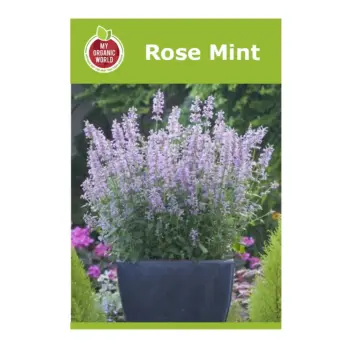
Rose Mint seeds produce aromatic lavender-rose flower spikes on compact plants about 45–60 cm tall. A fragrant herb suitable for pollinator gardens, herb beds, borders, and containers.
Repacked in Kuwait
Packet Size: Contains 50 seeds.
In stock
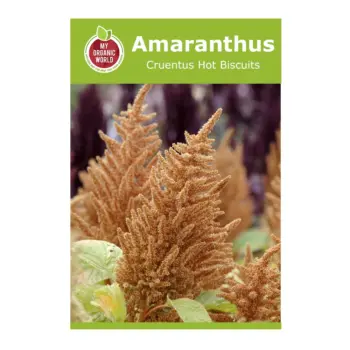
Amaranthus Cruentus Hot Biscuits produces tall plants with warm copper to cinnamon colored flower plumes. A striking ornamental plant ideal for borders, cutting gardens, and dried flower arrangements.
Repacked in Kuwait
Packet Size: Contains 250 seeds.
In stock
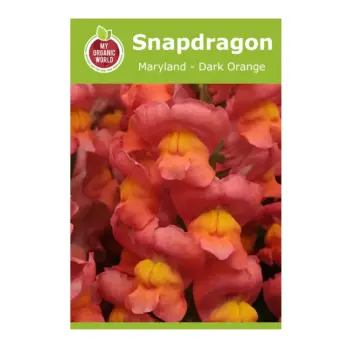
Snapdragon Maryland Dark Orange produces rich deep orange flower spikes on strong plants about 100 cm tall. A reliable variety for cutting gardens and bold border displays.
Packet Size: Contains 25 seeds.
Repacked in Kuwait
In stock
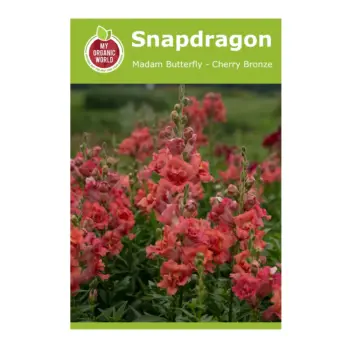
Madam Butterfly Cherry Bronze snapdragon produces elegant double azalea-like flowers in warm cherry bronze tones on tall plants about 60–75 cm. A premium variety for cutting gardens and ornamental borders.
Packet Size: Contains 25 seeds.
Repacked in Kuwait
In stock
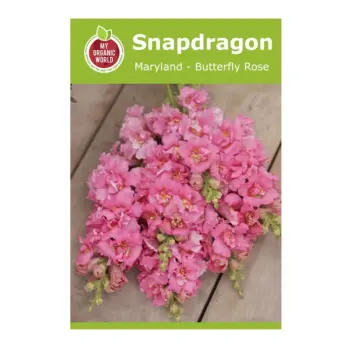
Snapdragon Madam Butterfly Rose produces elegant double azalea-like flowers in soft rose tones on tall plants about. A refined variety ideal for cutting gardens and ornamental borders.
Packet Size: Contains 25 seeds.
Repacked in Kuwait
In stock
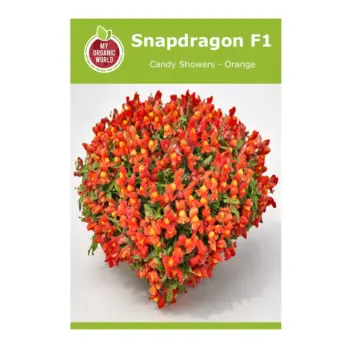
Candy Showers Orange snapdragon produces bright orange flowers on compact trailing plants about 15–25 cm tall. A colorful variety ideal for containers, hanging baskets, and garden borders.
Packet SizeL Contains 25 seeds.
Repacked in Kuwait
In stock
Reviews
There are no reviews yet.