 English
 العربية
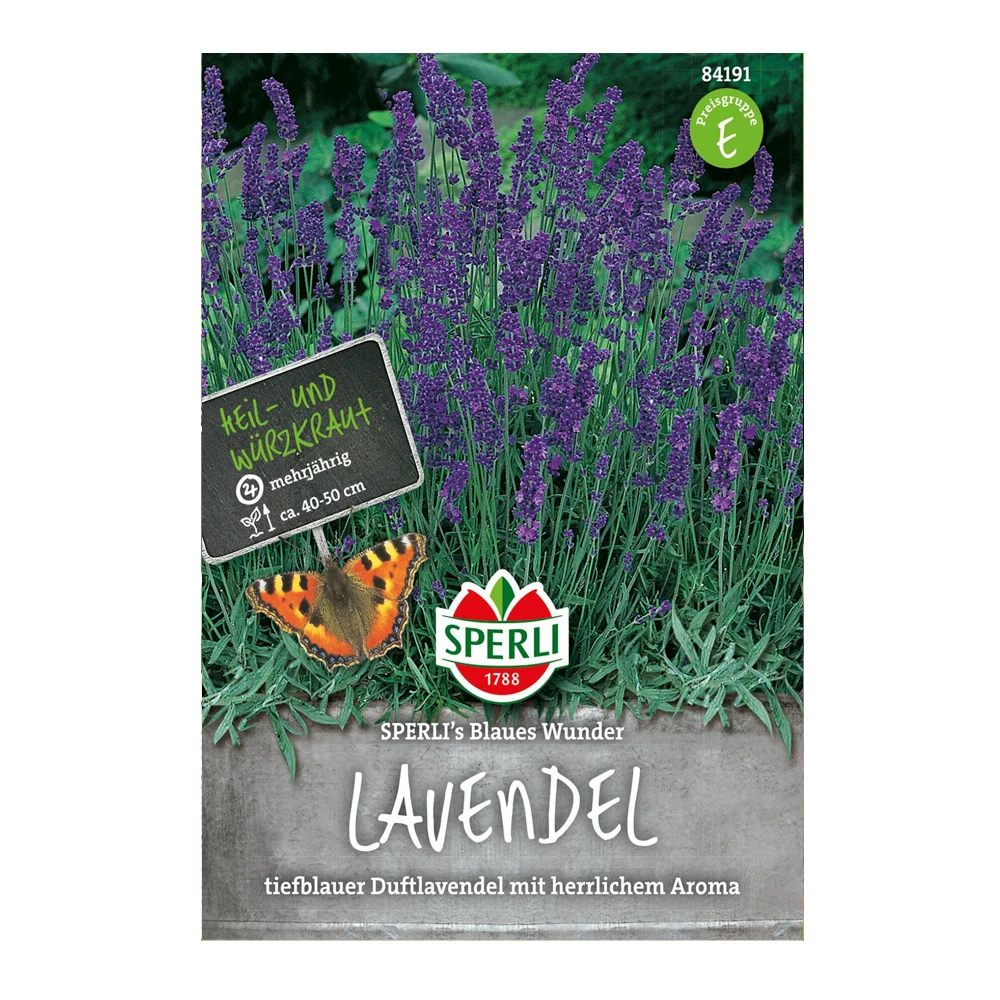
Lavandula Blaues Wund
1,950 KWD
Lavandula Blaues Wunder — meaning Blue Wonder in German — is Sperli’s premium deep blue selection of Lavandula angustifolia, the true English lavender, producing intense blue-violet flower spikes of exceptional fragrance on compact, bushy, silver-grey mounds of 40–50 cm. Deep blue fragrant lavender with a wonderful aroma — a beloved attraction for butterflies and insects, excellent as a cut and dried flower, ideal for sunny positions on free-draining soils. A hardy evergreen perennial that delivers its finest display in Kuwait’s cool season and establishes as a permanent fragrant feature in borders, containers, and herb gardens.
Out of stock
Lavender ‘Blaues Wunder’ Seeds
(Lavandula angustifolia — Sperli, Germany — Deep Blue English Lavender)
Lavandula Blaues Wund is a flowering plant in the family Lamiaceae, native to the Mediterranean basin. Its common names include lavender, true lavender, and English lavender — though it is not native to England. It is popular for its colorful flowers, its fragrance, and its ability to survive with low water consumption. It does best in Mediterranean climates similar to its native habitat, characterized by wet winters and dry summers. It tolerates neutral to alkaline soils and does not grow well in continuously damp soil.
The genus name Lavandula comes from the Latin word lavare, meaning to wash — its aromatic and antiseptic qualities have always made it a favorite in the making of soaps and bathing oils. Early on, ancient Pharaohs were embalmed using Egyptian lavender, and since then all peoples and tribes of the Mediterranean have grown it for health, cooking, and beauty. Its fragrance and clean round shape is why laundry cleaners of old would spread cleaned linens and clothing atop it to dry. The genus name Lavandula encompasses 51 species and hybrids distributed from Macaronesia through the Mediterranean basin to India — with more than half endemic to parts of the western Mediterranean, the center of diversity for the genus.
Blaues Wunder is a Sperli variety — forming violet, fragrant flowers arranged in beautiful panicles from November to March. The flowers are tubular. The plant is evergreen with lanceolate grey-green leaves. Lavandula angustifolia ‘Blaues Wunder’ grows in a bushy habit reaching 30–60 cm in height and up to 40–50 cm wide, growing 20–30 cm per year. The name Blaues Wunder — Blue Wonder — refers specifically to the exceptional depth and intensity of the blue-violet flower color, which is among the deepest in the angustifolia species and remains vivid rather than fading in hot, dry conditions.
The natural geographical range of Lavandula angustifolia is confined to northeast Spain, France, and Italy — the rocky limestone hillsides, the garrigue scrubland, and the thin mineral soils of Provence and the western Mediterranean that define the visual landscape most closely associated with lavender. This origin on thin, dry, alkaline soils is directly relevant to Kuwait — where sandy, well-draining, neutral-to-alkaline soils closely mimic the native habitat conditions, and where the dry summer and wet-cool winter pattern of the Mediterranean climate aligns with the Gulf’s seasonal rhythm. Kuwait’s alkaline sandy soils are among the most naturally suited in the Gulf region for lavender cultivation.
The fruits of Blaues Wunder have an aromatic flavor and are suitable for consumption. The flowers are fully culinary-grade — used in sugars, syrups, baked goods, teas, and infused oils. The dried flower spikes retain fragrance and color for months, making them valuable for potpourri, sachets, and natural insect repellent preparations. Jerra’s Garden
Variety Details
- Botanical Name: Lavandula angustifolia (syn. Lavandula officinalis, Lavandula vera)
- ariety: ‘Blaues Wunder’ (Blue Wonder)
- Breeder/Supplier: Sperli (Germany)
- Common Names: Lavender, English Lavender, True Lavender, Narrow-Leaved Lavender
- Origin of species: Mediterranean basin — northeast Spain, southern France, northern Italy
- Seed Type: Open pollinated
- Plant Type: Hardy evergreen perennial subshrub
- Family: Lamiaceae
- Edible: Flowers and fruit — culinary grade
Key Features
- Sperli premium German variety — deep blue-violet flower color, among the most intense in the angustifolia species
- Intense, authentic lavender fragrance — fresh, clean, strongly aromatic
- Hardy evergreen perennial — establishes as a permanent garden feature
- Compact bushy habit of 40–50 cm — suitable for borders, edging, containers, and hedges
- Outstanding pollinator value — highly attractive to bees, butterflies, and beneficial insects
- Excellent cut flower — fresh or dried spikes retain color and fragrance for months
- Fully edible flowers — culinary grade for sugars, syrups, teas, and baked goods
- Drought tolerant once established — thrives in poor, thin, well-drained soils
- Prefers alkaline to neutral soil — Kuwait’s naturally alkaline sandy soil is ideal
- Light germinator — surface sow without covering; cold stratification improves germination significantly
- Slow from seed — germination can take 14–90 days; patience required
Plant Information
- Height: 40–50 cm (up to 60 cm in ideal conditions)
- Spread: 40–50 cm
- Plant Type: Hardy evergreen perennial subshrub
- Habit: Bushy, mounding, upright flower spikes — silver-grey aromatic foliage
- Flower Form: Tubular, arranged in elongated panicle spikes
- Flower Color: Deep blue-violet
- Fragrance: Strong, sweet, authentic lavender — one of the most intensely fragrant angustifolia varieties
- Foliage: Narrow, lanceolate, grey-green, aromatic
- Annual Growth Rate: 20–30 cm per year until mature size is reached
Germination Instructions
- Lavandula angustifolia ‘Blaues Wunder’ is a light germinator — seeds require light and must not be buried.
- Sow on the surface of moist, well-drained seed compost and press gently in without covering.
- Optimal germination temperature: 18–22°C.
- Germination takes 12–20 days under optimal conditions.
- Cold stratification significantly improves germination rates — if sowing indoors, benefit from 4–6 weeks cold stratification in the fridge before moving to a warm location for germination.
- Seeds typically germinate in 10–28 days but may take as long as 90 days — do not discard trays that have not germinated within three weeks.
- Seedlings are slow growing when they first sprout.
- Once seedlings have developed three to four true leaves, transplant carefully into individual 7 cm pots. Lavender seedlings are slow — allow 10–12 weeks from germination before moving to the final outdoor position.
- Final spacing: 30 cm between plants.
- For Kuwait: the cold stratification step is performed in the household refrigerator.
- Mix seeds with slightly moist sand or vermiculite in a sealed plastic bag and place in the vegetable drawer at 4–6°C for 4–6 weeks.
- After stratification, surface sow onto moist compost in a warm indoor location at 18–22°C.
- Sow in June for October-Number outdoor planting, aligning with Kuwait’s confirmed lavender sowing calendar.
- Ambient outdoor temperatures in Kuwait before June are suitable for transplanting once the stratification and indoor germination stages are complete.
Growing Tips
- Grow in full sun in sharply drained soil — in heavy soils use raised beds or gravelly amendments.
- Avoid wet conditions; do not grow in continuously damp soil.
- Water to establish then sparingly; avoid wet crowns.
- Lavender performs best in poor to moderately fertile soil — rich soil and excess nitrogen produce soft, floppy growth with less fragrance and reduced hardiness.
- This plant has low water requirements and thrives optimally in normal garden soil in a sunny position.
- Cut back after flowering by about one third to maintain a compact, bushy shape and prevent the plant from becoming woody — avoid cutting into old wood without green growth.
- Fertilize at most once per year — too many nutrients make lavender more susceptible to stress and causes faster woodiness.
- The allelopathic properties of lavender’s essential oils naturally inhibit weed growth around the plant — an additional practical benefit in Kuwait’s garden beds.
- Mulch with gravel rather than bark to maintain the dry, well-drained root zone that lavender requires.
Gulf Planting Season
- Cold stratification in refrigerator (4–6°C): June to July (4–6 weeks)
- Indoor germination after stratification: July 18–22°C
- Transplant outdoors to final position: October-Number
- Establishment and first growth: July to October
- First flowering season: following cool season (November to March) — second season onwards for best display
- Note: In Kuwait, lavender sowing begins in June — this is the confirmed and correct sowing calendar for the Gulf.
- Unlike most cool-season ornamentals that are sown in autumn, lavender requires summer planting to establish its root system during the warm months before delivering its finest floral display in the following cool season from November onward.
- The cold stratification step performed in June to July in the household refrigerator simulates the natural cold-winter dormancy break that lavender seeds require.
- Kuwait’s alkaline, sandy, fast-draining soils are among the most naturally suited in the Gulf for lavender — the soil conditions closely replicate the thin limestone soils of its native Provençal habitat.
- Established lavender plants are long-lived, drought tolerant, and become progressively more floriferous over their first three to five years.
Garden & Culinary Uses
- Blaues Wunder is versatile in use: ideal for cutting, as a solitary specimen, in group plantings, rock gardens, cottage gardens, containers, cosmetics preparations, as a bee pasture, in fragrance gardens, and in rose gardens.
- In the garden, the compact mounding habit of 40–50 cm makes it effective as an edging plant along sunny borders and paths, as a low fragrant hedge when planted in rows at 30 cm spacing, and as a specimen plant in containers or terracotta pots where its silver-grey foliage and deep blue-violet flower spikes provide four-season ornamental value.
- As a cut flower, lavender spikes should be harvested when approximately half the individual florets have opened — at this stage the fragrance is at maximum intensity, and the spike retains its shape well for several days in a vase or after drying. Dried flowers are perfect for fragrant sachets or bath additives.
- In the Gulf kitchen, lavender flowers are used in Provençal-inspired cooking — lavender sugar, lavender honey, lavender-infused olive oil, and lavender shortbread are the most accessible applications. The flowers can also be used to flavor teas and cold drinks, where a small number of florets added to mint tea creates a fragrant herbal blend with calming properties recognized in traditional Mediterranean medicine.
Only logged in customers who have purchased this product may leave a review.
Related Products
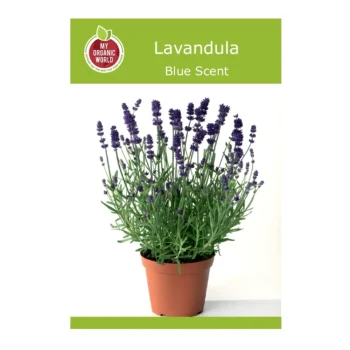
Lavandula Blue Scent seeds. Vigorous, first-year blooming lavender with fragrant.
Deep violet-blue flowers. Dense growth, long blooming.
Repacked in Kuwait
Packet 20 Seeds
In stock
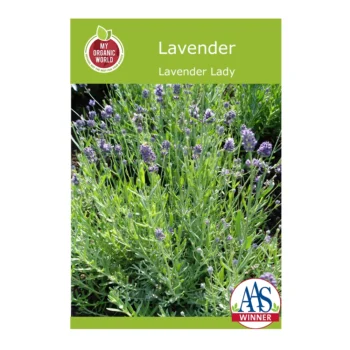
Lavender ‘Lavender Lady’ seeds. Burpee-bred, flowers first year.
Compact, fragrant. Excellent for edging, hedges, and containers.
All-America Selections (AAS) Winner
Repacked in Kuwait
Packet 20 Seeds
In stock
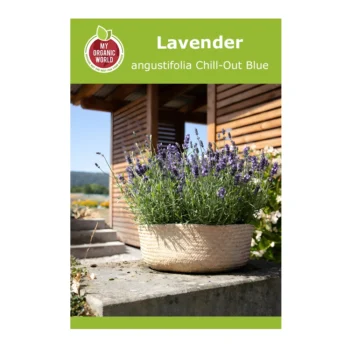
Lavandula angustifolia Chill-Out Blue: Ultra-compact (10″), first-year blooming perennial with intense blue-violet, highly fragrant flowers and green leaves.
Excellent for pots. Primed Seed for reliable germination.
Packet Size: Contains 20 seeds.
Repacked in Kuwait
In stock
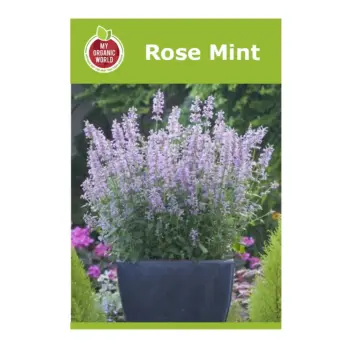
Rose Mint seeds produce aromatic lavender-rose flower spikes on compact plants about 45–60 cm tall. A fragrant herb suitable for pollinator gardens, herb beds, borders, and containers.
Repacked in Kuwait
Packet Size: Contains 50 seeds.
In stock
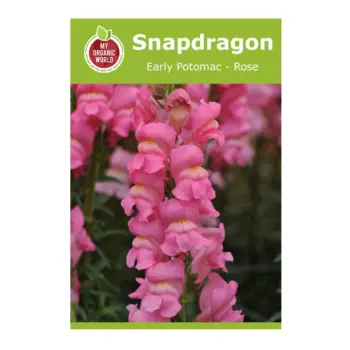
Early Potomac Rose snapdragon produces tall spikes of soft rose-pink flowers on strong stems about 100 cm tall. An excellent variety for cutting gardens, borders, and pollinator friendly plantings.
Packet Size: Contains 25 seeds.
Repacked in Kuwait
In stock
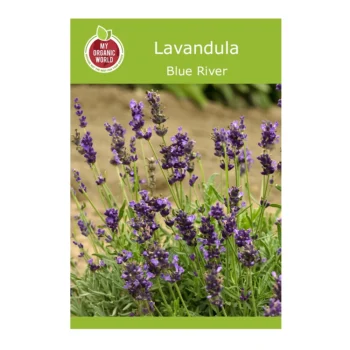
Lavandula Blue River seeds. Petite, uniform lavender with intensely fragrant, deep purple flowers.
Great for containers, herb gardens, and edging.
Full sun, well-drained soil. Light aids germination.
Repacked in Kuwait
Packet 20 Seeds
In stock
Reviews
There are no reviews yet.