 English
 العربية
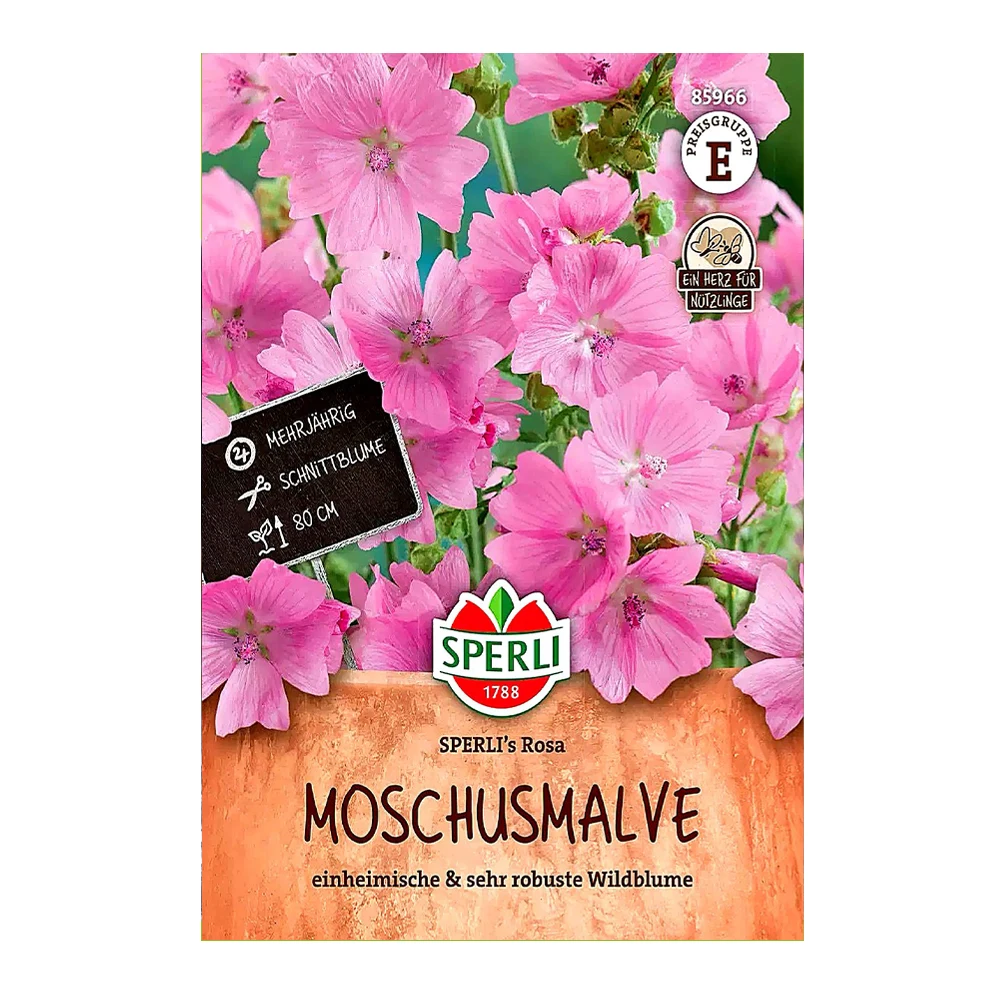
Musk Mallow
1,750 KWD
Musk Mallow (Malva moschata) is a charming, lightly fragrant perennial wildflower — a bushier, shorter, and more delicate companion to the French Hollyhock, producing an abundance of saucer-shaped 3 to 5 cm rose-pink flowers on gracefully branching stems throughout a long blooming season. The flowers carry a distinctive gentle musky fragrance that intensifies on warm sunny days and when brought indoors as cut flowers. Both the flowers and the distinctive deeply lobed foliage are musk-scented when crushed. Listed on the RHS Perfect for Pollinators list. Fully edible — leaves, flowers, and seeds all have culinary and traditional medicinal uses. In Kuwait, grown as a cool-season annual for a winter-to-spring display from November through April.
In stock
Musk Mallow Seeds
(Malva moschata / Musk-Scented Mallow — Pink)
Important Germination Note
Malva moschata germination is notably slow and erratic. Some seeds germinate within 1 to 3 weeks under optimal conditions. Others may not germinate for many weeks or months and may require a period of cold stratification to break dormancy. Patient, attentive moisture management across the full germination window is essential. Do not discard trays prematurely — seeds may continue emerging over an extended period.
The genus name Malva derives from the Latin word for mallow, rooted in the ancient Greek malakhe, meaning “soft” or “emollient,” alluding to the mucilaginous, soothing properties of the plant’s leaves, which were traditionally used in herbal remedies for their softening effects on skin and tissues. The specific epithet moschata comes from the Latin moschatus, derived from moschus (musk), reflecting the characteristic musky fragrance of the plant.
Musk mallow is a perennial wildflower native to southern England and closely related to the common mallow. It has pretty pink summer flowers with a gentle, musky fragrance. Musk mallow does best in dry soils and is a popular choice for cottage garden schemes and wildlife gardens. It is sometimes grown as part of a perennial wildflower meadow. It makes an excellent cut flower — indeed its musky fragrance is enhanced when the flowers are brought indoors.
Musk Mallow is the shorter, tougher, bushier cousin of the Hollyhock — both plants are English Cottage Garden classics. Malva bloom profusely beginning in mid-summer when planted in any moderately fertile soil in a sunny location. Flowers have a wonderful scent and are very attractive to bees, butterflies, and hummingbirds. Will self-seed when happy.
Musk-scented, rose-pink flowers appear in succession over a long bloom period of early summer to early fall. Flowers appear singly or in clusters in the upper leaf axils. The genus name is an ancient Latin name, and the species name means musky. As with the flowers, the foliage is musk-scented when crushed.
All parts of Musk Mallow have been used medicinally. They are anti-inflammatory, astringent, demulcent, diuretic, emollient, expectorant, and laxative, and can be used in salves. The crushed leaves emit a musk-like fragrance. Although the plant is generally short-lived, it self-sows freely in suitable conditions and can maintain itself without much intervention.
The leaves, flowers, and seeds are all edible raw. The leaves and flowers are mild in flavor and are good in salads. A tea can be made from the leaves, flowers, or roots. Musk mallow can also be used to make a dye. The stems can be used to make fibre for paper making, textiles, and cordage.
In the Gulf garden, Malva moschata performs as a rewarding cool-season annual in Kuwait’s October-to-April window. Its natural preference for well-drained, somewhat dry soils aligns well with the Gulf’s sandy and gritty garden conditions, and its genuine heat tolerance during the mild Kuwaiti spring allows it to continue into April and May before extreme summer heat forces decline.
Variety Details
- Malva moschata is native to Europe and southwestern Asia, from Spain north to the British Isles and Poland, and east to southern Russia and Turkey.
- It occurs on dry but fertile soils at altitudes from sea level up to 1,500 m.
- The flowers are 3.2 to 5 cm in diameter, with five bright pink petals that have a truncated to notched apex, with a distinctive musky odor.
- In garden settings, it serves as a staple in cottage gardens, perennial borders, and wildflower meadows, where its erect, bushy form reaches 60 to 90 cm tall and spreads 30 to 60 cm wide, filling spaces without overwhelming companions.
- Its long blooming period from early summer to early autumn spans 2 to 3 months, ensuring prolonged color and interest.
Key Features
- Delicate saucer-shaped rose-pink flowers 3 to 5 cm across.
- Gentle musky fragrance — intensifies on warm days and indoors.
- Deeply lobed finely divided foliage also musk-scented when crushed.
- Long blooming season over many weeks.
- RHS Perfect for Pollinators.
- Specific host plant for the Painted Lady butterfly.
- Excellent cut flower — fragrance enhanced when brought indoors.
- Fully edible — leaves, flowers, and seeds.
- Traditional medicinal uses across many cultures.
- Drought tolerant once established.
- Self-seeding when conditions suit.
- Low-maintenance cottage and wildflower garden plant.
Plant Information
- Family: Malvaceae.
- Botanical name: Malva moschata.
- Common names: Musk Mallow, Musk-Mallow, St. Simeon’s Herb.
- Type: Short-lived perennial grown as cool-season annual in Gulf.
- Height: 60 to 90 cm. Spread: 30 to 60 cm.
- Flower: Saucer-shaped, 3 to 5 cm across, five notched rose-pink petals with fused stamen column; gentle musky fragrance.
- Foliage: Palmately lobed, hairy stems and leaves; deeply divided upper leaves; musk-scented when crushed.
- Exposure: Full sun to partial shade.
- Water: Low to moderate — drought tolerant once established; prefers well-drained to dry soils.
- Soil: Adaptable — average to fertile, well-drained; tolerates sandy, chalk, clay, and loam.
- pH preference: 5.5 to 8.0.
- Self-seeding: Freely when conditions suit.
- Edible: Yes — leaves, flowers, and seeds all edible.
- Toxicity: Non-toxic; long history of safe culinary and medicinal use.
Seed Germination
- Sow musk mallow seeds at a maximum temperature of 5 degrees Celsius for germination — germination is irregular and often takes several months.
- Germination may be quicker if kept at 15 to 20 degrees Celsius, but many seeds will not come up the year they are sown, needing winter chilling after sowing, and only come up with natural spring germination.
- Sow immediately at any time onto preferably a soil-based compost, covering with fine grit to approximately the seeds’ own depth.
- For Gulf home gardeners
- practical approach for Kuwait conditions: sow seeds in small pots or cell trays using a moist, well-drained seed-starting mix.
- Press seeds lightly into the surface and cover with 3 to 5 mm of fine grit or coarse vermiculite.
Water gently. - Place in a shaded, cool location at 15 to 20 degrees Celsius — do not use high heat for germination as this inhibits sprouting.
- Maintain consistent moisture without waterlogging. Germination is erratic — some seeds may emerge within 1 to 3 weeks; others may take 2 to 3 months or more.
- Maintain patience and do not discard trays.
- Alternatively, sow directly into prepared, well-drained garden beds in October or November, where natural cool temperatures will support gradual germination through the winter months.
Growing Tips
- Preferred conditions for musk mallow are full sun and soil that drains well.
- It is extremely drought tolerant, continuing to flower through lengthy dry spells.
- These plants are generally short-lived but self-seed freely when in a suitable position and more than maintain themselves.
- If pruned back to the main branches as it comes into flower, it will produce a fresh flush of leaves in late summer.
- No serious insect or disease problems.
- Space plants 45 to 50 cm apart.
- Water until established, then only during dry spells — Musk Mallow prefers drier conditions and will perform poorly in waterlogged or consistently wet soils.
- Fertilize lightly once at planting; this vigorous plant rarely needs additional feeding and will produce more flowers in moderately lean conditions.
- Deadhead spent flowers to prolong the blooming season and limit self-seeding or leave spent flowers to develop seed for naturalizing.
- Their graceful, branching stems look great alongside cottage garden favorites like lavender or daisies, creating a vibrant, classic look.
Gulf Planting Season
- Sow in cool nursery conditions or directly in prepared beds: August through October.
- Transplant to garden beds, borders, or containers: October through November.
- Expected flowering: February through May, depending on sowing time and establishment.
- Note: Malva moschata dislikes hot and humid conditions. In Kuwait treat as a strictly cool-season annual.
- Plants will decline as temperatures rise consistently above 30 degrees Celsius in late spring.
- The cool dry conditions of Kuwait’s winter and early spring months are ideal for this species.
- Allow some plants to set seed in April for potential volunteer seedlings in the following autumn.
Garden and Floral Uses
- Widely grown as an ornamental plant for its attractive scented flowers with a musky fragrance.
- Produces pink saucer flowers for a long bloom time through the summer.
- They are also an excellent cut flower.
- Flower stalks grow as a branched plant, creating a unique structure.
- Musk mallow is a popular choice for cottage garden schemes and wildlife gardens and is sometimes grown as part of a perennial wildflower meadow.
- Its musky fragrance is enhanced when the flowers are brought indoors.
- In the Gulf garden, Malva moschata is outstanding in cottage-style mixed borders where its airy, branching habit and delicate rose-pink saucers create a naturalistic, meadow-like quality.
- The musk fragrance — so rare in ornamental annuals — adds an unusual olfactory dimension to both garden spaces and cut flower arrangements.
- Pair with Sweet Rocket, Sweet William, Lisianthus, and ornamental grasses for a sophisticated naturalistic border combination that emphasizes texture, fragrance, and movement over static formality.
- The edible flowers and leaves bring additional value when the planting is positioned near kitchen gardens or entertaining areas where both the visual beauty and culinary utility can be appreciated throughout the Gulf’s long cool growing season.
Only logged in customers who have purchased this product may leave a review.
Related Products
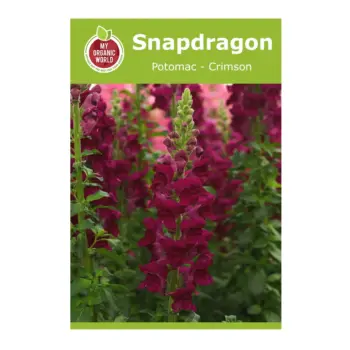
تُنتج زهرة سنابدراغون بوتوماك كريمزون سنابل زهرية قرمزية داكنة على نباتات طويلة يتراوح طولها بين ١٠٠ و١٢٠ سم. صنف مثالي للقطف، مناسب للحدائق والأحواض.
حجم العبوة: ٢٥ بذرة.
أعيد تعبئتها في الكويت
In stock
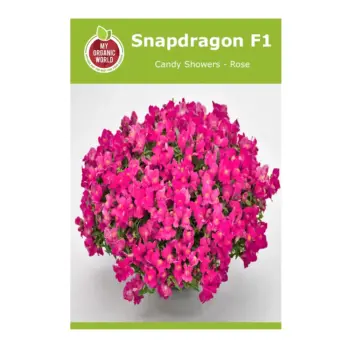
ينتج Candy Showers Rose snapdragon أزهارًا وردية اللون على نباتات متدلية مدمجة يبلغ ارتفاعها حوالي 15-25 سم. صنفٌ ملون مثالي للزراعة في الأواني والسلال المعلقة وعلى أطراف الحدائق.
حجم العبوة: تحتوي على 25 بذرة.
أعيد تعبئتها في الكويت
In stock
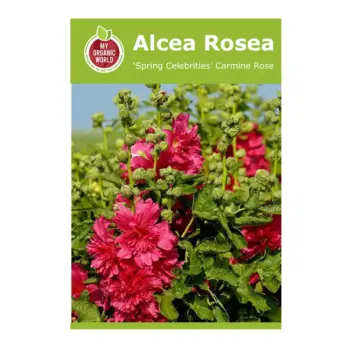
بذور الخطمية Spring Celebrities Carmine Rose: صنف قزمي جذاب يُنتج أزهارًا مزدوجة كبيرة ومجعّدة بدرجات كارمينية لامعة منذ السنة الأولى، ويتميز بنمو مدمج يجعله مثاليًا للأصص، والحدائق الصغيرة، والزراعة في الأحواض المرتفعة خلال موسم الخليج البارد.
أُعيد تعبئتها في الكويت
.حجم العبوة: تحتوي على 10 بذور
In stock
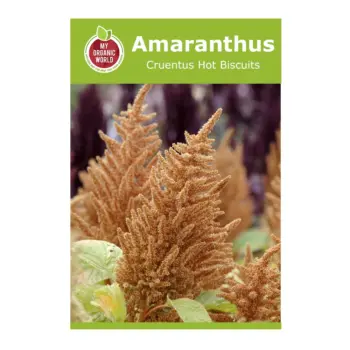
ينتج نبات Amaranthus Cruentus Hot Biscuits نباتات طويلة ذات أزهار بلون النحاس الدافئ إلى القرفة. وهو نبات زينة رائع مثالي للحدود وحدائق القطف وتنسيقات الزهور المجففة.
أُعيد تعبئتها في الكويت
حجم العبوة: تحتوي على 250 بذرة
In stock
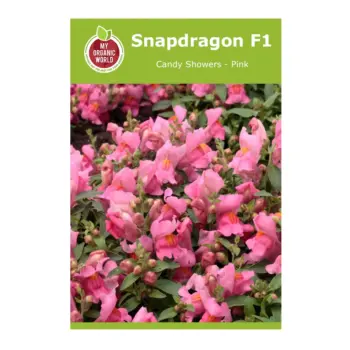
تُنتج Candy Showers Pink snapdragon أزهارًا وردية ناعمة على نباتات متدلية صغيرة الحجم يتراوح ارتفاعها بين 15 و25 سم. وهي صنف ملون مثالي للزراعة في الأواني والسلال المعلقة وعلى أطراف الحدائق.
حجم العبوة: تحتوي على 25 بذرة.
أُعيد تعبئتها في الكويت
In stock
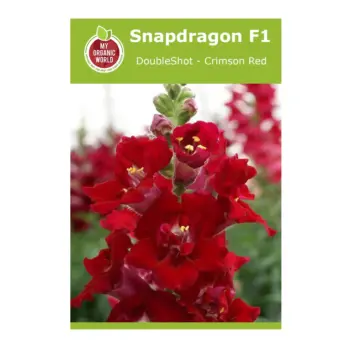
تُنتج Snapdragon F1 DoubleShot Crimson Red أزهارًا مزدوجة بلون أحمر قرمزي داكن على نباتات مدمجة يتراوح ارتفاعها بين 45 و50 سم. صنفٌ ملون مناسب للزراعة في الأواني وعلى أطراف الحدائق وفي تنسيقات الحدائق خلال المواسم الباردة.
حجم العبوة: تحتوي على 25 بذرة
أُعيد تعبئتها في الكويت
In stock
Reviews
There are no reviews yet.