 العربية
 English
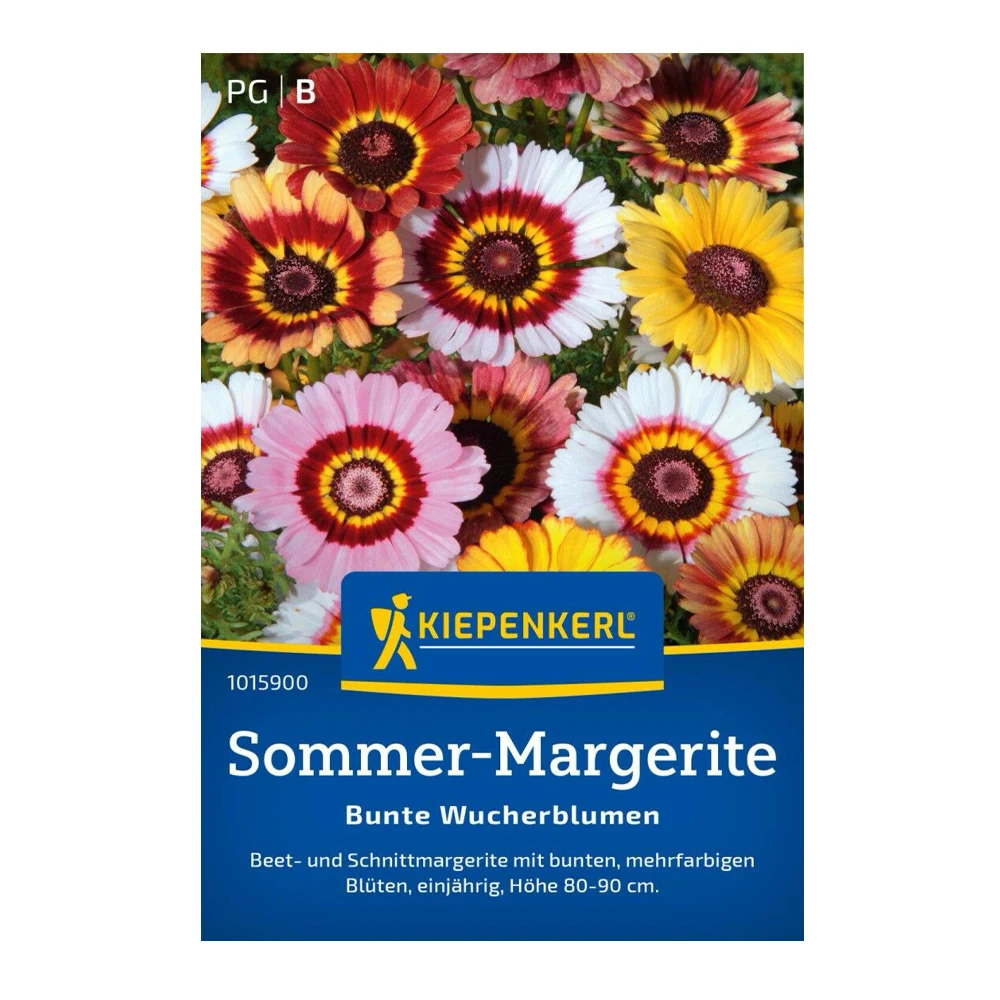
Chrysanthemum Summer Daisy
1,750 د.ك
Chrysanthemum Summer Daisy is Kiepenkerl’s premium multicolor selection of Chrysanthemum carinatum — the celebrated Tricolor Daisy from the Mediterranean and North Africa — producing a spectacular range of single and semi-double zoned blooms in yellow, orange, red, pink, white, and intricate bicolor combinations on tall, well-branched plants of 80–90 cm. An easy to cultivate border and cut flower with good vase life, suitable for interplanting in summer flower and perennial beds. Where the Cockade variety delivers one specific bold color pattern, Summer Daisy delivers the full chromatic range of the species in a single sowing — a continuous, shifting tapestry of warm and cool tones throughout the cool season.
نفدت الكمية
Chrysanthemum Summer Daisy Seeds
(Tricolor Daisy Multicolor Mix)
Chrysanthemum carinatum ‘Summer Daisy’ is Kiepenkerl’s flagship multicolor selection of the Tricolor Daisy.
Summer Daisy enchants with its large, luminous blooms in vivid yellow, pink, and white. These annual plants reach a height of 80–90 cm and are perfectly suited for group plantings or as cut flowers that bring a breath of freshness to any room. Cut the blooms as soon as they are fully open to bring their vibrant freshness indoors.
The zoned, concentric-ring pattern that defines the species is present across the full color range of this mix — each flower carrying its own combination of inner and outer tones arranged in radiating bands from the dark central disc outward, so that no two flowers in the planting are exactly alike.
The Summer Daisy mix expands significantly on the color range of single named varieties such as Cockade. Where Cockade fixes one specific color combination, the Summer Daisy seed mix includes a broad color palette from yellow through pink, orange to red, with the addition of white, cream, and deep burgundy-red varieties that collectively span the full natural color variation of the species.
Plants within the mix will vary in height from 70–90 cm, with the taller plants naturally selecting themselves to the back of the border and the more compact plants filling the middle ground — creating a naturalistic, layered display that gains complexity as the season progresses.
Simple and half-double blooms emerge from finely feathered leaves and are long-lasting in the vase. Also suitable for interplanting in summer flower and perennial beds. Every cut of a flower stimulates new budding — the more you cut, the more the plant produces.
This cut-and-come-again character is one of the defining practical virtues of Chrysanthemum carinatum and makes Summer Daisy one of the most productive cool-season cut flower plants available from a single direct sowing.
Important note: Chrysanthemum carinatum foliage is a known skin and eye irritant in sensitive individuals — handle plants and seeds with gloves and wash hands after contact.
Variety Details
- Botanical Name: Chrysanthemum carinatum (syn. Ismelia carinata, Glebionis carinata)
- Product Name: Sommer-Margerite / Summer Daisy — Bunte Wucherblumen (Colorful Daisy Mix)
- Common Names: Summer Daisy, Tricolor Daisy, Painted Daisy, Annual Chrysanthemum
- Origin of species: Morocco and North Africa
- Seed Type: Open pollinated multicolor mix
- Plant Type: Hardy annual
- Family: Asteraceae
Key Features
- Full multicolor mix: yellow, orange, red, pink, white, cream, burgundy, and bicolor combinations
- Taller than single-color varieties — 80–90 cm stems ideal for back-of-border and cutting
- Cut-and-come-again habit — every flower cut stimulates new buds, extending harvest season
- Good vase life — single and semi-double blooms last well when cut at the right stage
- Hardy annual — tolerates cool temperatures and light frost
- Suitable for border interplanting and mass planting
- Fast germination: 8–12 days at 12–15°C
- No deadheading needed — though cutting for vase use automatically extends flowering
- Outstanding pollinator value — bees, butterflies, and hoverflies
Plant Information
- Height: 80–90 cm
- Spread: 25–35 cm
- Plant Type: Hardy annual
- Habit: Upright, well-branched, bushy
- Flower Size: 5–7 cm across
- Flower Form: Single to semi-double, zoned concentric ring pattern
- Color Mix: Yellow, orange, red, pink, white, cream, burgundy-red, and bicolour combinations
- Foliage: Finely divided, fern-like, blue-green glaucous, slightly aromatic
Germination Instructions
- Sow in trays, covering seeds to their own depth with finely sieved soil, press down and keep moist.
- Germination temperature: 12–15°C. Germination time: 8–12 days.
- Keep the growing medium consistently moist throughout the germination period — never waterlogged. Optimal germination temperature is 18–24°C for indoor sowing. When seedlings are large enough to handle, prick out individually.
- Once all risk of frost has passed, transplant to final positions at 20–25 cm spacing.
- For direct outdoor sowing, sow thinly in rows 23 cm apart at seed depth, thinning seedlings to 20–25 cm apart once established. Handle seeds and seedlings with gloves — foliage is a known skin irritant.
- For Kuwait: sow indoors in air-conditioned conditions in September for transplanting in October–November.
- The cool germination temperature of 12–15°C suits indoor sowing with light air conditioning in September.
- Alternatively, direct sow outdoors in October–November once ambient temperatures moderate — Kuwait’s October nights at 20–25°C are within the acceptable germination range for this species.
- Both methods work reliably; transplanting gives earlier flowering while direct sowing requires no indoor setup.
Growing Tips
- Grow in full sun in well-drained, moderately fertile soil. Like all Chrysanthemum carinatum varieties, Summer Daisy performs best when the soil is not over-enriched — excessive nitrogen promotes lush foliage at the expense of flowering.
- Water consistently at soil level, never overhead.
- Every cut of a flower stimulates new budding — regular cutting for the vase is the most effective way to maintain continuous flowering throughout the season.
- Maintain spacing of 20–25 cm between plants to ensure the air circulation that minimizes the risk of powdery mildew — the main fungal issue affecting this species in humid or still-air conditions.
- Cut blooms as soon as they are fully open for the longest vase life and to encourage the plant to produce replacement flowers immediately.
- The tall 80–90 cm stems may require light support in exposed positions — use bamboo canes or a simple horizontal string net at 45 cm height to keep plants upright in wind-prone locations.
Gulf Planting Season
- Indoor sowing (air-conditioned, seed trays): September to mid-October
- Transplant outdoors: mid-October to November
- Direct sowing outdoors: October to November
- Peak flowering season: November to March
- Note: Summer Daisy is native to North Africa and is climatically one of the best-suited cool-season annuals for Kuwait’s growing conditions.
- The species’ natural adaptation to thin, rocky, well-drained Mediterranean soils closely matches Kuwait’s sandy garden conditions, and its tolerance of brief warm spells during the cool season makes it more forgiving than many other cool-season ornamentals in this catalogue.
- The tall 80–90 cm stems of the Kiepenkerl mix — taller than the standard 70 cm of the Cockade variety — make it particularly effective as a back-of-border plant and as a cutting garden annual where stem length adds value to arrangements.
Garden & Floral Uses
- Summer Daisy is a dual-purpose plant of outstanding value in Kuwait’s cool-season garden — simultaneously one of the most productive cut flower annuals and one of the most visually dramatic border plants available from a single direct sowing.
- A colorful border and cut flower with good vase life, suitable for interplanting in summer flower and perennial beds.
- The full multicolor mix provides a complete palette within a single planting — where a garden planted with several separate single-color varieties achieves deliberate color harmony, a garden planted with Summer Daisy achieves natural, spontaneous color variation that gains depth and complexity as different plants within the mix come into and out of peak flower at slightly different times.
- In cut flower arrangements, the multicolor mix provides a self-contained bouquet from a single plant type — stems of yellow, orange, red, pink, and white from the same bed combine naturally without the color conflicts that can arise when mixing varieties from different plant families.
- The dark-centered zoned flowers also provide a visual grounding point in mixed arrangements that prevents the lighter pastel tones from reading as weak or washed out. Eden Brothers
فقط العملاء الذين قاموا بتسجيل الدخول للموقه وقاموا بشراء هذا المنتج يمكنهم اضافه تقييم.
منتجات ذات صلة
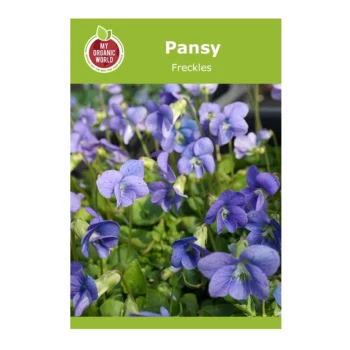
Viola Freckles seeds. Rare, beautiful viola with vivid, uniquely textured flowers.
Simple to grow in beds, borders, and pots.
Edible, lettuce-flavored flowers.
Repacked in Kuwait
Packet 20 Seeds
متوفر في المخزون
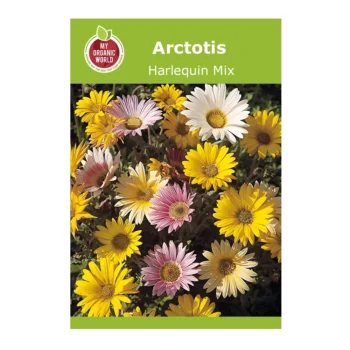
Arctotis Harlequin Mix seeds: vibrant mix of Gazania-like flowers in many colors on compact plants (10-15″). Long blooming, great for borders and containers.
فقط 1 متبقي في المخزون
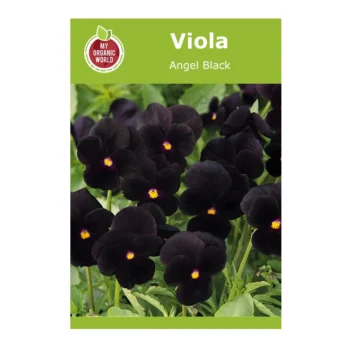
Viola Angel Black seeds. Captivating viola with velvety, almost black blooms.
Adds drama to gardens/containers.
Compact, prolific bloomer in cool seasons.
Plant in late fall for winter/spring blooms. Partial shade. Cover seeds to germinate.
Repacked in Kuwait
Packet 25 seeds
فقط 1 متبقي في المخزون
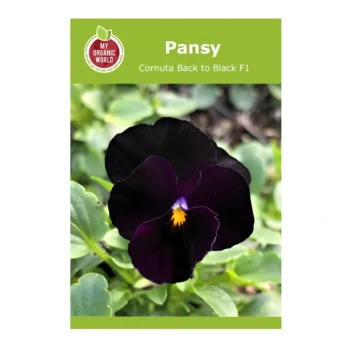
Viola Cornuta Back to Black F1 seeds. Petite pansy with very dark (appears black) flowers & golden centers.
Blooms first year, long-lasting. Compact, Hardy perennial.
Keep dark until germination.
Repacked in Kuwait
Packet 30 Seeds
فقط 2 متبقي في المخزون
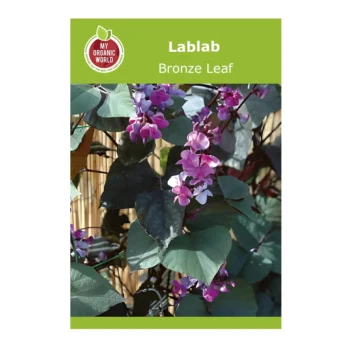
Dolichos (Lablab) Bronze Leaf seeds: bronze foliage, lilac flowers, purple pods. Excellent cut flower element, fast-growing vine.
5 seeds.
Repacked in Kuwait
متوفر في المخزون
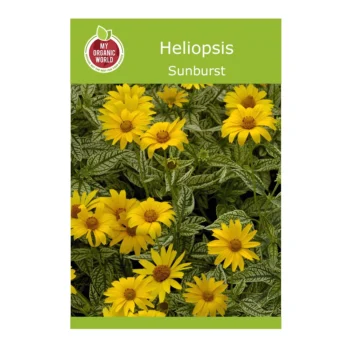
Heliopsis Sunburst seeds offer variegated foliage and brilliant golden yellow daisy blooms.
Easy-to-grow perennial, great for beds and bouquets.
Light is beneficial for germination; cover seeds lightly.
Thrives in sun and well-drained soil.
Attracts pollinators and provides year-round interest.
Repacked in Kuwait
Packet 10 seeds
متوفر في المخزون
التقييمات
لا توجد تقييمات حتى الآن.