 العربية
 English
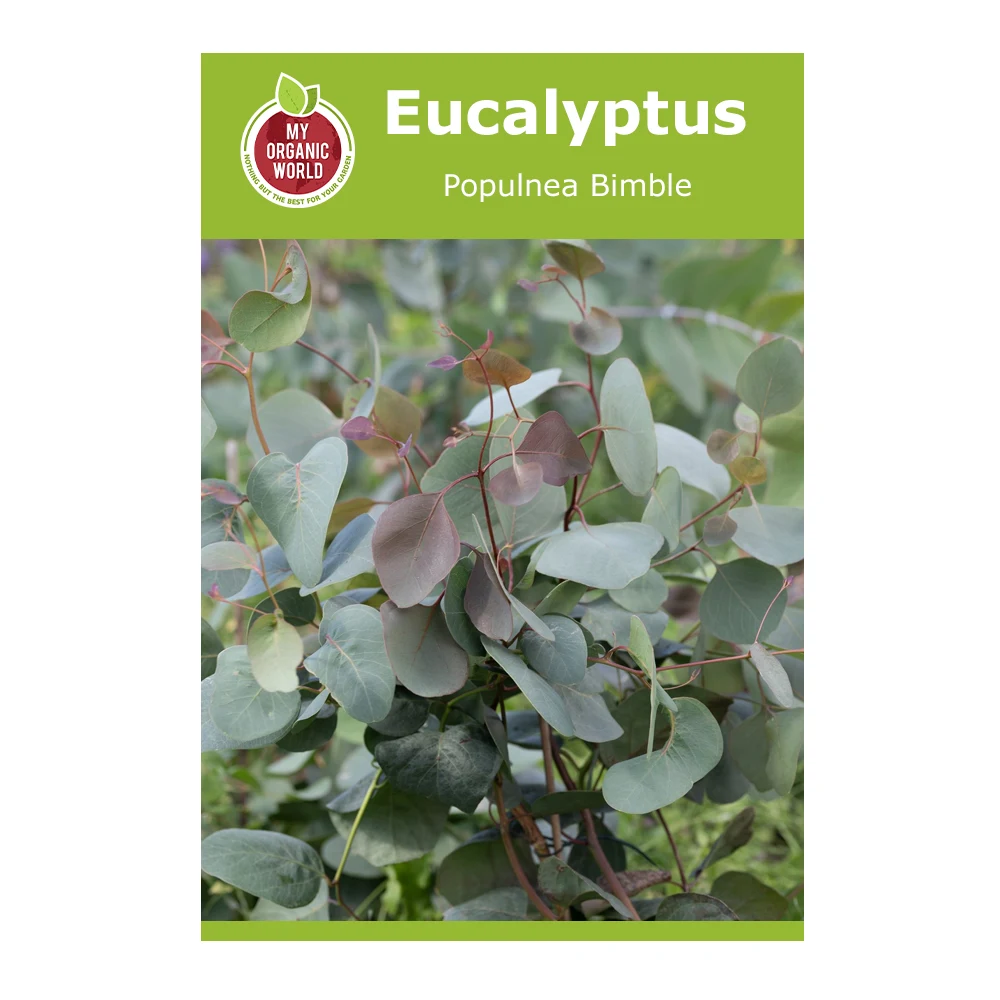
Eucalyptus Populnea
1,500 د.ك
Eucalyptus Populnea, commonly known as Bimble Box or Poplar Box, is a medium to large evergreen tree native to the semi-arid woodlands of eastern Australia. Growing to 8–20 meters with a compact crown, rough grey bark, and attractive oval to round glossy leaves with a distinctive eucalyptus fragrance, it is one of the most drought-tolerant eucalyptus species available. Excellent for Gulf landscape use, windbreaks, shade tree planting, and as a source of aromatic cut foliage for fresh and dried arrangements.
Packet Size: Contains 10 seeds.
Repacked in Kuwait
نفدت الكمية
Eucalyptus populnea Seeds — Bimble Box / Poplar Box
(Australian Native Drought-Hardy Timber Tree)
Eucalyptus populnea, commonly known as Poplar Box, Bimble Box, or Bimbil Box, is a species of small to medium-sized tree endemic to eastern Australia. It has rough, fibrous or flaky, greyish bark on the trunk and larger branches, and egg-shaped, elliptical, or more or less round leaves with white flowers. The common names Bimble Box and Bimbil Box derive from the Wiradjuri Aboriginal name for the species, reflecting its long historical presence in the Australian landscape.
Eucalyptus populnea is native to the semi-arid temperate and subtropical climate of eastern Australia, where it is found at elevations from 150–500 meters. Rainfall can occur all year round or only in summer, with a mean annual rainfall within the range 350–500 mm and a dry season that can be severe of up to 8 months. The mean maximum temperature of the hottest month is 33°C. This climate profile — intense summer heat, limited rainfall, and extended dry seasons — closely mirrors Gulf conditions, making Bimble Box one of the most naturally Gulf-compatible eucalyptus species available from seed.
Bimble Box has oval-shaped, dark green leaves with a significant menthol scent. It produces beautiful foliage that is used in cut-flower arrangements and also makes great dry flower bouquets. The aromatic foliage is a significant ornamental asset — the leaves release their menthol-eucalyptus fragrance when handled or brushed, and both fresh and dried stems are highly valued in floral design.
The Poplar Box is valued for its adaptability to a range of soil types, including those with slow or medium drainage. It is drought-tolerant once established, making it suitable for xeriscaping and low-water-use gardens. This species is often used in reforestation projects, as windbreaks, and for timber production due to its hardy nature.
Eucalyptus populnea is notable for forming a lignotuber — a woody swelling at the base of the trunk that stores carbohydrates and allows the tree to resprout vigorously after fire, drought stress, or mechanical damage. This lignotuber gives Bimble Box exceptional resilience and recovery capacity that very few ornamental trees possess.
The white flowers, produced in clusters of 7–15 or more, are not showy but are highly attractive to bees and other pollinators, making Bimble Box a valuable honey and pollinator resource tree. The decorative pepperpot-style gum nut seed capsules that follow are also useful in dried arrangements.
Variety Details
- Species: Eucalyptus populnea
- Common names: Bimble Box, Poplar Box, Bimbil Box, Round-leaf Box
- Family: Myrtaceae
- Origin: Eastern Australia (Queensland and New South Wales)
- Tree height: 8–20 meters at maturity
- Trunk diameter: Up to 80 cm
- Crown: Compact, evergreen
- Bark: Rough, fibrous, grey, brown on trunk and branches
- Leaves: Oval to round, glossy green, strongly aromatic (menthol-eucalyptus)
- Flowers: White, in clusters of 7–15+, attractive to bees
- Seed capsules: Decorative conical to hemispherical gum nuts
- Drought tolerance: Exceptional — native to regions with 350–500 mm annual rainfall
- Heat tolerance: Exceptional — survives maximum temperatures of 33°C+ regularly
Key Features
- Exceptional drought and heat tolerance — naturally adapted to semi-arid conditions similar to the Gulf.
- Compact crown — well-proportioned for landscape and shade planting.
- Aromatic oval leaves with strong menthol fragrance — excellent for cut and dried foliage use.
- Forms a lignotuber — resilient recovery from drought, stress, or damage.
- White bee-attracting flowers followed by decorative gum nuts.
- Adaptable to a wide range of soils including poor and slow-draining types.
- Valued for timber, windbreaks, shade, honey production, and ornamental use.
- Koala food tree in its native range — wildlife and biodiversity value.
Plant Information
- Height at maturity: 8–20 meters (typically 10–15 m in cultivation)
- Trunk diameter: Up to 80 cm
- Crown spread: 5–10 m
- Plant type: Evergreen tree
- Bark: Rough, fibrous, grey brown
- Foliage: Oval to round, glossy green, strongly aromatic
- Flowers: White, summer–autumn (August–December in Australia)
- Sun: Full sun
- Soil: Wide range — tolerates poor, dry, and slow-draining soils; best in well-drained loam
- Water: Low once established — drought tolerant; regular watering during establishment
- Root system: Aggressive — allow adequate distance from buildings and infrastructure (minimum 5 m)
Seed Germination
- Eucalyptus seeds are very small and fine. Sow on the surface of moist, well-drained seed-raising mix in trays or pots.
- Do not bury — press very lightly onto the surface.
- Keep moist and warm in a bright position. Eucalyptus seeds germinate readily in warmth and light, typically within 7–21 days at 20–25°C.
- Do not overwater during germination as damping off is the primary risk.
- Once seedlings are 3–5 cm tall and have developed several true leaves, pot up into individual deep pots — eucalyptus develops a
- long taproot quickly and resents root restriction.
- Grow on in full light for 6–12 months before transplanting to the final position. Plant out when 30–60 cm tall.
Growing Tips
- Eucalyptus populnea is one of the easier eucalyptus species to establish from seed given its natural resilience and adaptability.
- Sow seeds on the surface of a fine, moist seed-raising mix at 20–25°C in a bright position.
- Germination typically occurs within 7–21 days. Keep consistently moist but not saturated — damping off in wet, poorly ventilated conditions is the main germination risk.
- Pot seedlings on into individual deep containers as soon as they are large enough to handle — the tap root develops quickly, and root binding will set back growth significantly.
- Use a free-draining, low-nutrient potting mix to encourage strong root development.
- Grow on in full sun, gradually increasing heat and light exposure.
- Eucalyptus seedlings are tender in their first few months but harden quickly.
- Once established in their final position, Bimble Box requires minimal intervention — water during the first 1–2 years of establishment, then reduce frequency as the tree’s natural drought tolerance takes over.
- Apply a layer of organic mulch around the base of the tree to conserve moisture during establishment and regulate soil temperature. Avoid mulching directly against the trunk.
- Fertilize sparingly in the first growing season if soil is very poor — a slow-release balanced fertilizer is sufficient. Do not over-fertilize.
- Allow adequate distance from buildings, walls, and underground infrastructure — the root system of mature eucalyptus trees is vigorous and far-reaching.
- A minimum distance of 5 meters from foundations and underground pipes is recommended for trees expected to reach full size.
- In Gulf conditions, Bimble Box is an excellent long-term landscape tree.
- Its natural adaptation to semi-arid heat, extended dry seasons, and poor soils makes it one of the most compatible large trees for Gulf conditions.
- Establish with regular watering in the first two years, then significantly reduce irrigation as the tree reaches maturity.
Gulf Planting Season
- Best sowing time in the Gulf: September–November or February–March (indoors or in sheltered outdoor position)
- Transplanting to final position: When plants are 30–60 cm tall, ideally in cooler months (October–March)
- Establishment period: 1–2 years of regular watering; drought tolerant thereafter
- Note: Full Gulf sun conditions are well within the natural tolerance range of this species.
- Allow generous spacing — 5–8 m between mature trees — and adequate distance from structures.
Uses
- Landscape shade tree for large gardens and public spaces
- Windbreaks and shelterbelts
- Cut foliage for fresh and dried floral arrangements
- Dried gum nut seed capsule arrangements
- Timber and fuelwood production
- Honey and pollinator resource
- Reforestation and land rehabilitation
- Agroforestry applications
فقط العملاء الذين قاموا بتسجيل الدخول للموقه وقاموا بشراء هذا المنتج يمكنهم اضافه تقييم.
منتجات ذات صلة
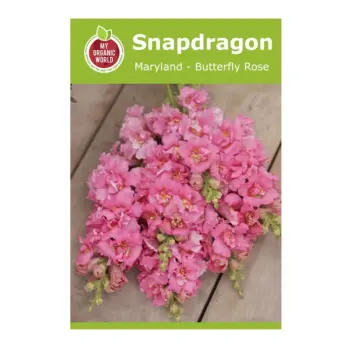
Snapdragon Madam Butterfly Rose produces elegant double azalea-like flowers in soft rose tones on tall plants about. A refined variety ideal for cutting gardens and ornamental borders.
Packet Size: Contains 25 seeds.
Repacked in Kuwait
متوفر في المخزون
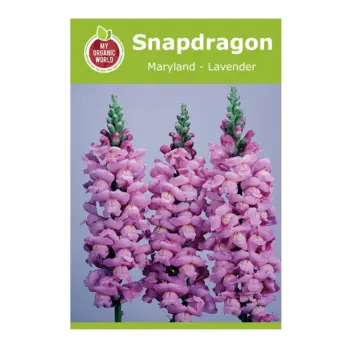
Snapdragon Maryland Lavender produces soft lavender flower spikes on strong plants about 100 cm tall. A refined variety ideal for cutting gardens and cool season borders.
Packet Size: Contains 25 seeds.
Repacked in Kuwait
متوفر في المخزون
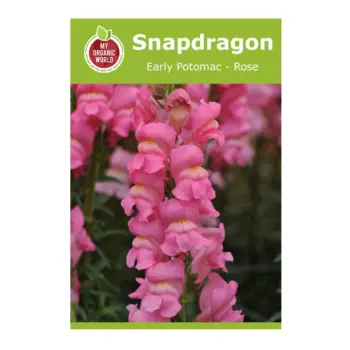
Early Potomac Rose snapdragon produces tall spikes of soft rose-pink flowers on strong stems about 100 cm tall. An excellent variety for cutting gardens, borders, and pollinator friendly plantings.
Packet Size: Contains 25 seeds.
Repacked in Kuwait
متوفر في المخزون
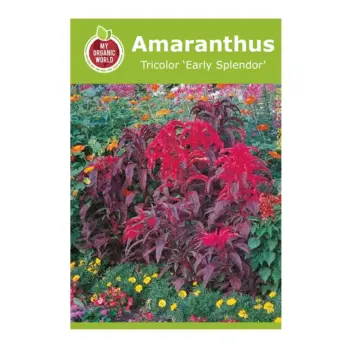
Amaranthus tricolor Early Splendor produces striking foliage in shades of deep red, burgundy, and green on upright plants about 60–90 cm tall. A colorful ornamental plant ideal for borders and landscape planting.
Repacked in Kuwait
Packet Size: Contains 100 seeds.
متوفر في المخزون
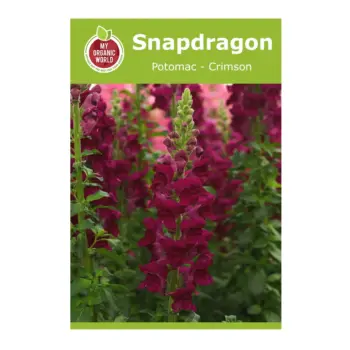
Snapdragon Potomac Crimson produces deep crimson flower spikes on tall plants about 100–120 cm. A professional cut flower variety ideal for borders and cutting gardens.
Packet Size: Contains 25 seeds.
Repacked in Kuwait
متوفر في المخزون
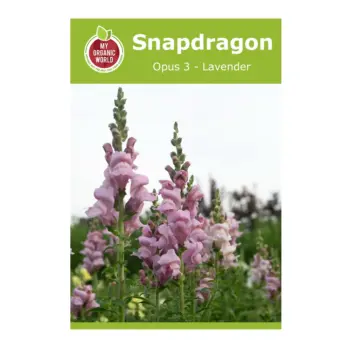
Snapdragon Opus 3 Lavender produces soft lavender flower spikes on compact to medium plants about 65 cm tall. An early flowering variety ideal for containers, borders, and uniform bedding displays.
Packet Size: Contains 25 seeds.
Repacked in Kuwait
متوفر في المخزون
التقييمات
لا توجد تقييمات حتى الآن.