 العربية
 English
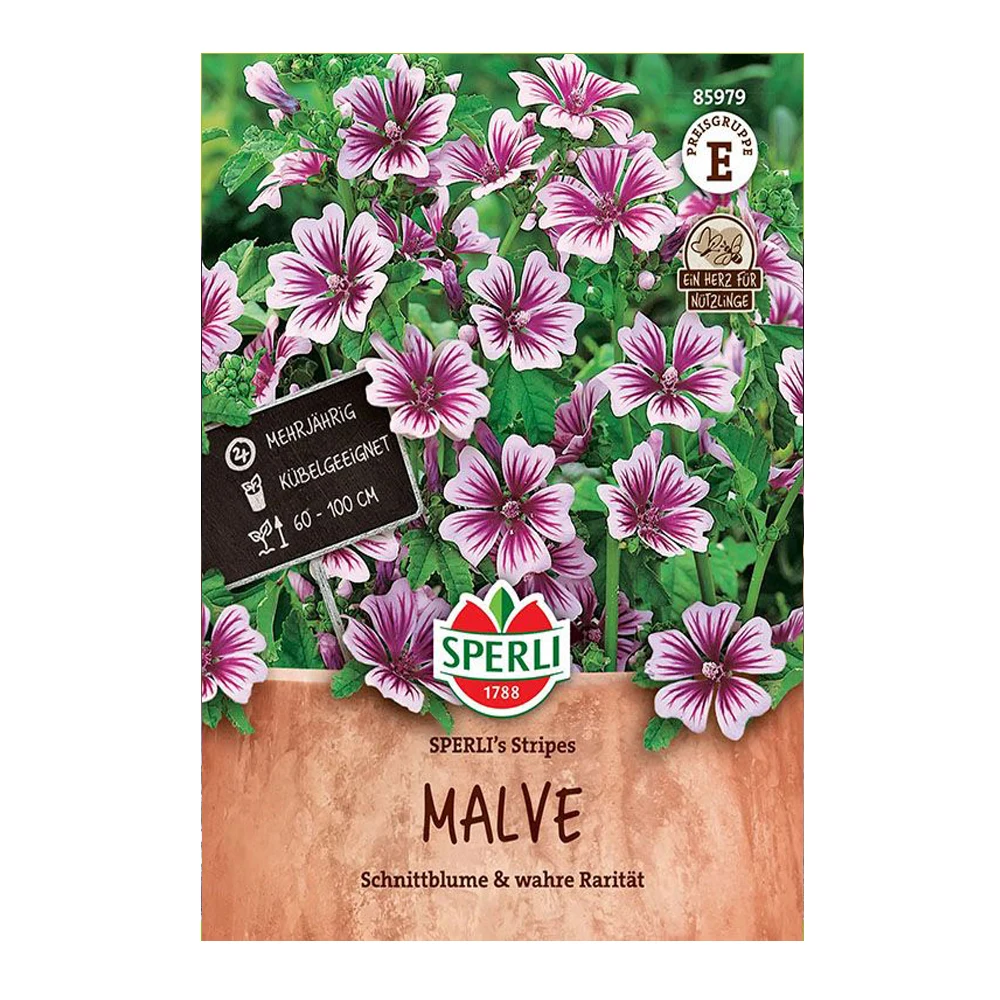
Malva Sylvestris Zebrina
1,950 د.ك
Malva sylvestris Zebrina is a beloved heritage cottage garden perennial — a shorter, freely branching relative of the Hollyhock that produces an extraordinary abundance of 5 cm cup-shaped flowers in pale mauve-pink to lavender, each petal dramatically veined with deep raspberry-purple stripes that radiate from a dark central eye, creating a distinctive pinwheel or zebra pattern. Plants grow robustly to 60 to 120 cm on strong, branching stems and bloom prolifically over a long season. Heat and drought tolerant once established, fully edible, freely self-seeding, and a magnet for bees and butterflies. In Kuwait, grown as a cool-to-warm season annual for a full flowering display from November through May.
فقط 2 متبقي في المخزون
Malva Sylvestris Zebrina Seeds
(Zebra Mallow / French Hollyhock / Striped Mallow — Heritage Variety)
Malva sylvestris Zebrina is a heritage garden variety descended from Common Mallow — one of the most widely distributed plants in Europe, Asia, and North Africa, cultivated since ancient times for ornamental, culinary, and medicinal purposes. The genus Malva includes 25 to 80 species in the large Malvaceae family.
Malvas are related to Cacao, Cotton, Hibiscus, Hollyhocks, and the Linden tree. These somewhat shrubby, herbaceous annual, biennial, or perennial plants are widespread throughout temperate Europe, Africa, and Asia, especially in the Mediterranean region and parts of China and India. They are valued for their medicinal, culinary, and ornamental properties.
The pretty pink blossoms of Malva sylvestris var. mauritiana Zebrina have dark, reddish-purple lashes encircling their eyes, and they bring a lot of style to the sunny border. This carefree Mallow is a vigorous plant that produces a profusion of 2-inch blooms over a long season. Plants self-seed in a site they like, providing years of bloom.
Zebrina sports soft pink flowers with striking, raspberry-purple veins, achieving a pinwheel effect. These outstanding 2-inch, bowl-shaped flowers are produced in abundance from early summer to frost on robust, shrub-like plants. Heat and drought are not a problem for this perennial. Though it is sometimes short-lived, Malva will self-seed readily assuring years of blooms.
Malva Zebrina is a heritage garden plant descended from Malva sylvestris, native to Europe and western Asia. Its distinctive striped flowers and generous blooming habit have earned it a place in cottage gardens and pollinator-friendly landscapes for generations.
Malva sylvestris has been cultivated as a food and medicinal plant across the Mediterranean and Middle East for centuries. The young leaves and shoots are edible raw or cooked. Malva sylvestris has traditionally been used around the world as a wild food plant, from the Mediterranean and Middle East to the Caucasus.
In Morocco, Tunisia, and Palestine, Malva leaves are steamed with garlic and tomatoes and eaten as an appetizer or salad. In Egypt, the leaves are made into a stew-like vegetable dish known as khobeiza, similar to Molokheia. Wikipedia This deep-rooted culinary tradition across the Arab world makes Malva sylvestris Zebrina not merely an ornamental plant but a culturally meaningful one in the Gulf garden context.
Malva sylvestris leaves and flowers have been used for centuries in traditional medicine to treat various ailments. The phytochemical analysis revealed that the leaves and flowers are the most commonly used parts and contain various bioactive compounds including flavonoids, mucilages, terpenoids, phenol derivatives, and other active constituents.
Variety Details
- Malva sylvestris Zebrina reaches 120 cm in height and produces white to violet flowers from June through September in USDA zones 4 to 8.
- Strong, erect stems are loaded with 5 cm cup-shaped mauve-pink flowers that are heavily veined with a velvety-purple. An old-fashioned favourite widely distributed in the Old World.
- The flower background color can vary in intensity from seed to seed — from very pale near-white to richer lavender-pink — but the deep purple veining always comes true from seed.
- Plants are short-lived perennials or biennials that self-seed freely to maintain a permanent colony.
Important Flowering Note for Gulf Climates
- Malva sylvestris has a long-day requirement for flowering — flower initiation is triggered as day lengths increase beyond approximately 12 hours.
- In Kuwait, day lengths exceed 12 hours from late March through September.
- Plants sown in autumn will establish vegetative rosettes through the winter months and begin flowering from March onward as days lengthen into spring.
- This makes the autumn sowing window the most productive for the Gulf.
Key Features
- Distinctive 5 cm cup-shaped flowers — pale mauve pink with deep raspberry-purple veins creating a zebra pinwheel pattern.
- Tall robust branching plants 60 to 120 cm. Long blooming season — continuously from late winter through spring. Heat and drought tolerant once established.
- Fully edible leaves, flowers, and seeds — culinary tradition across Mediterranean and Arab world. Long history of traditional medicinal use.
- Seeds require light to germinate — surface sow.
- Freely self-seeding for returning displays.
- Attracts bees, butterflies, and hummingbirds.
- Deer and rabbit resistant.
- Tolerates poor and clay soils.
Plant Information
- Family: Malvaceae.
- Botanical name: Malva sylvestris var. mauritiana.
- Cultivar: Zebrina.
- Common names: Zebra Mallow, Striped Mallow, French Hollyhock, Common Mallow, High Mallow, Cheeses.
- Type: Short-lived perennial or biennial grown as cool-season annual in Gulf.
- Height: 60 to 120 cm.
- Spread: 45 to 60 cm.
- Flower: Cup-shaped, 5 cm, pale mauve pink to lavender with deep raspberry-purple veins; five petals.
- Foliage: Lobed, rounded, deeply veined, mid-green.
- Exposure: Full sun to partial shade. Water: Low to moderate — drought tolerant once established.
- Soil: Adaptable — average to poor, well-drained; tolerates clay and alkaline soils.
- pH preference: 6.5 to 8.0.
- Self-seeding: Freely.
- Edible: Yes — leaves, flowers, and seeds.
- Toxicity: Non-toxic; long history of safe culinary and medicinal use.
Seed Germination
- Seeds need light to germinate — sow on the surface and press lightly into soil without covering deeply.
- Germination time is 7 to 21 days.
- Optimum soil temperature for germination is 21 to 24 degrees Celsius.
- For Gulf home gardeners:
- sow seeds onto the surface of a moist, well-drained seed-starting mix, pressing lightly to ensure good soil contact.
- Do not cover deeply — a maximum of 2 to 3 mm of fine vermiculite is sufficient.
- Place in a warm, bright location at 20 to 24 degrees Celsius.
- Keep consistently moist. Germination typically occurs within 7 to 21 days.
- Sow 2 to 3 seeds per cell or pot and thin to the strongest seedling. Once seedlings develop 3 to 4 true leaves and stems begin to thicken, transplant to individual pots before moving to the final garden position.
Growing Tips
- Plant in full sun and well-drained soil.
- Once established, Malva Zebrina is drought-tolerant and low-maintenance.
- Deadhead to prolong blooming and limit self-seeding or leave some spent flowers for naturalizing. May benefit from staking in windy locations due to its height.
- Pinch back the seedlings to encourage more branching.
- Space plants 45 to 50 cm apart.
- Although Malvas can withstand drought, they bloom best with sufficient moisture.
- Water to establish young plants and during dry spells.
- These vigorous plants grow in marginal areas and rarely need fertilization.
- In the Gulf garden, provide light support or stake taller plants before the main growth flush to prevent wind damage.
- In partial shade, plants will be taller and more prone to flopping — full sun produces the most compact, floriferous growth.
- Cut back spent stems periodically to encourage new lateral growth and continued flower production throughout the season.
Gulf Planting Season
- Sow indoors in warm protected nursery conditions: August through October.
- Transplant to garden beds or borders: October through November.
- Expected flowering: March through May, as day lengths exceed 12 hours and temperatures warm through spring.
- Note: Malva sylvestris has a long-day flowering requirement — flower initiation is triggered when day lengths exceed approximately 12 hours, which Kuwait reaches in late March.
- Autumn sowing allows strong vegetative establishment through the winter months, with natural flowering triggered from late March onward as days lengthen.
- Plants are heat tolerant and will continue into Kuwait’s warm spring months. Treat as a cool-to-warm season annual in Kuwait.
Garden and Floral Uses
- Malva Zebrina is an easygoing perennial that thrives in cottage gardens, pollinator plantings, and wildflower-style borders.
- Its abundant blooms attract bees, butterflies, and beneficial insects, while its tall, airy habit creates a charming backdrop or vertical filler among
- lower-growing companions. Long blooming and self-sufficient, it softens edges and lends a relaxed elegance to sunny plantings.
- It has spires of striped, raspberry-pink flowers with deep maroon veins that look like pinwheels.
- It forms an upright, bushy mound and makes great cut flowers, does well in containers, and also in borders in the garden.
- In the Gulf garden, Malva sylvestris Zebrina is exceptional as a mid-to-back-of-border plant, adding vertical drama and an unusual striped floral texture that few other cool-season ornamentals can provide.
- The zebra-patterned flowers are distinctive in mixed bouquets and cutting garden arrangements, offering a naturalistic cottage character that pairs beautifully with Cosmos, Sweet Rocket, Sweet William, Lisianthus, and ornamental grasses.
- The edible leaves can be harvested for culinary use throughout the vegetative phase, connecting the ornamental border to the kitchen garden in the tradition of productive cottage gardening practiced across the Arab world for centuries.
فقط العملاء الذين قاموا بتسجيل الدخول للموقه وقاموا بشراء هذا المنتج يمكنهم اضافه تقييم.
منتجات ذات صلة
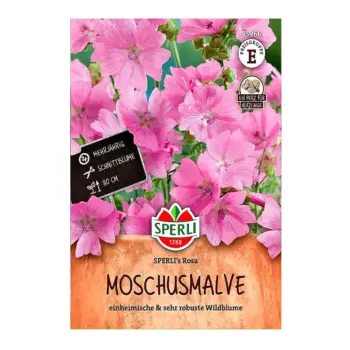
Musk Mallow (Malva moschata) is a charming, lightly fragrant perennial wildflower — a bushier, shorter, and more delicate companion to the French Hollyhock, producing an abundance of saucer-shaped 3 to 5 cm rose-pink flowers on gracefully branching stems throughout a long blooming season. The flowers carry a distinctive gentle musky fragrance that intensifies on warm sunny days and when brought indoors as cut flowers. Both the flowers and the distinctive deeply lobed foliage are musk-scented when crushed. Listed on the RHS Perfect for Pollinators list. Fully edible — leaves, flowers, and seeds all have culinary and traditional medicinal uses. In Kuwait, grown as a cool-season annual for a winter-to-spring display from November through April.
متوفر في المخزون
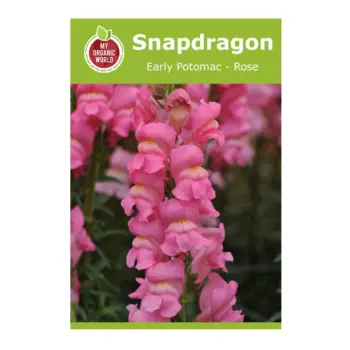
Early Potomac Rose snapdragon produces tall spikes of soft rose-pink flowers on strong stems about 100 cm tall. An excellent variety for cutting gardens, borders, and pollinator friendly plantings.
Packet Size: Contains 25 seeds.
Repacked in Kuwait
متوفر في المخزون
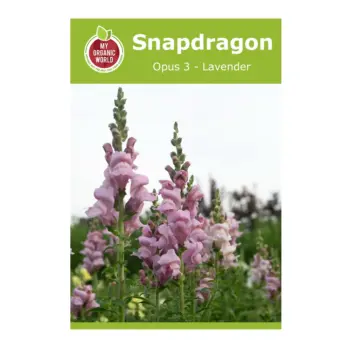
Snapdragon Opus 3 Lavender produces soft lavender flower spikes on compact to medium plants about 65 cm tall. An early flowering variety ideal for containers, borders, and uniform bedding displays.
Packet Size: Contains 25 seeds.
Repacked in Kuwait
متوفر في المخزون
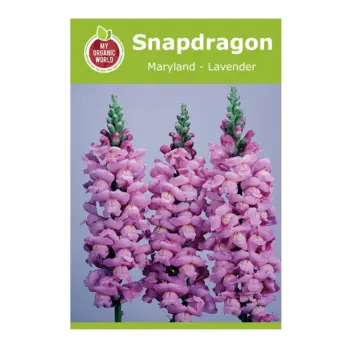
Snapdragon Maryland Lavender produces soft lavender flower spikes on strong plants about 100 cm tall. A refined variety ideal for cutting gardens and cool season borders.
Packet Size: Contains 25 seeds.
Repacked in Kuwait
متوفر في المخزون
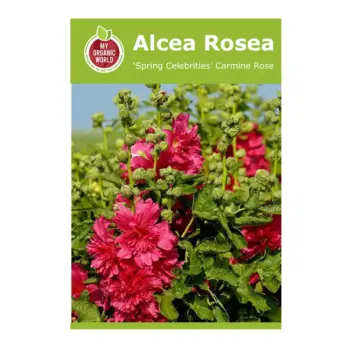
Spring Celebrities Carmine Rose hollyhock seeds, a striking dwarf hollyhock producing large, ruffled double blooms in brilliant carmine-rose shades from its first year. Compact habit makes it ideal for containers, small gardens, and raised bed plantings throughout the Gulf cool season.
Repacked in Kuwait
Packet Size: Contains 10 seeds.
متوفر في المخزون
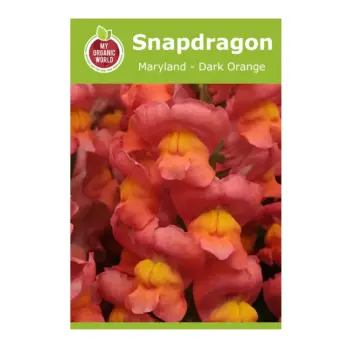
Snapdragon Maryland Dark Orange produces rich deep orange flower spikes on strong plants about 100 cm tall. A reliable variety for cutting gardens and bold border displays.
Packet Size: Contains 25 seeds.
Repacked in Kuwait
متوفر في المخزون
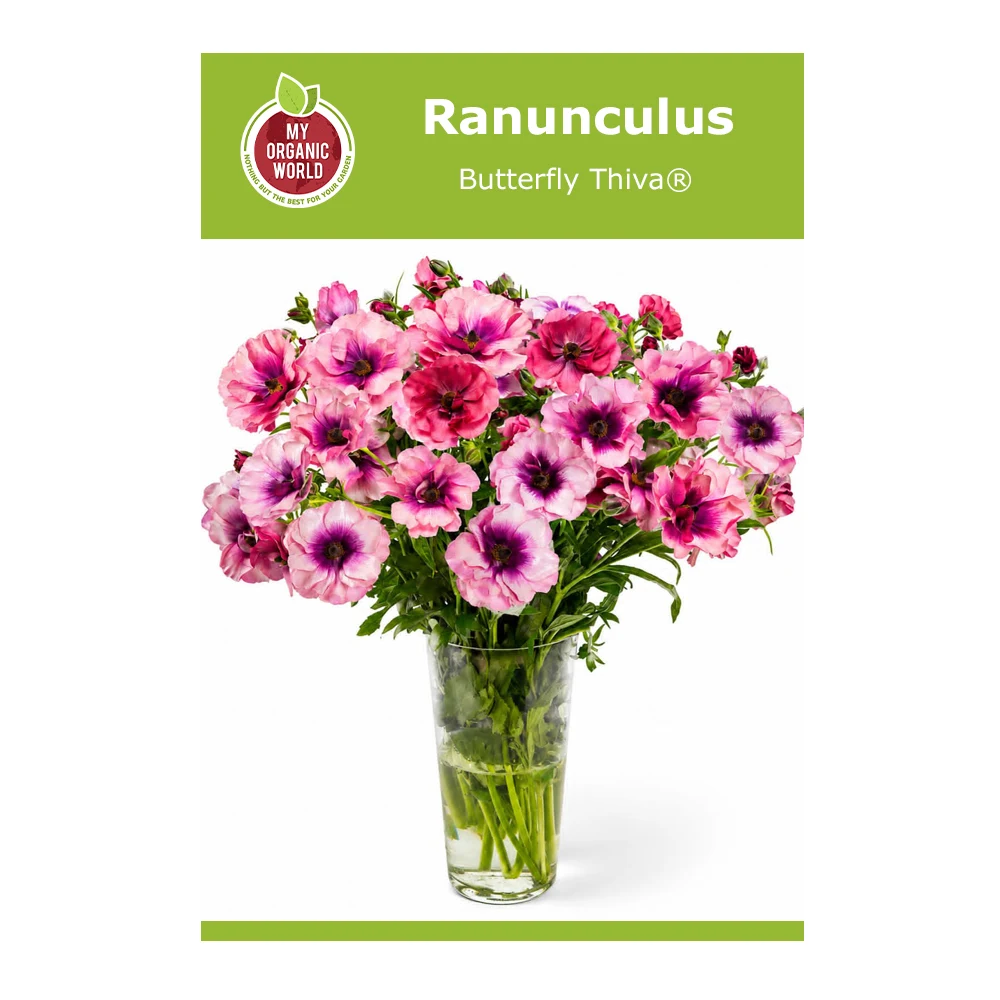
التقييمات
لا توجد تقييمات حتى الآن.