 العربية
 English
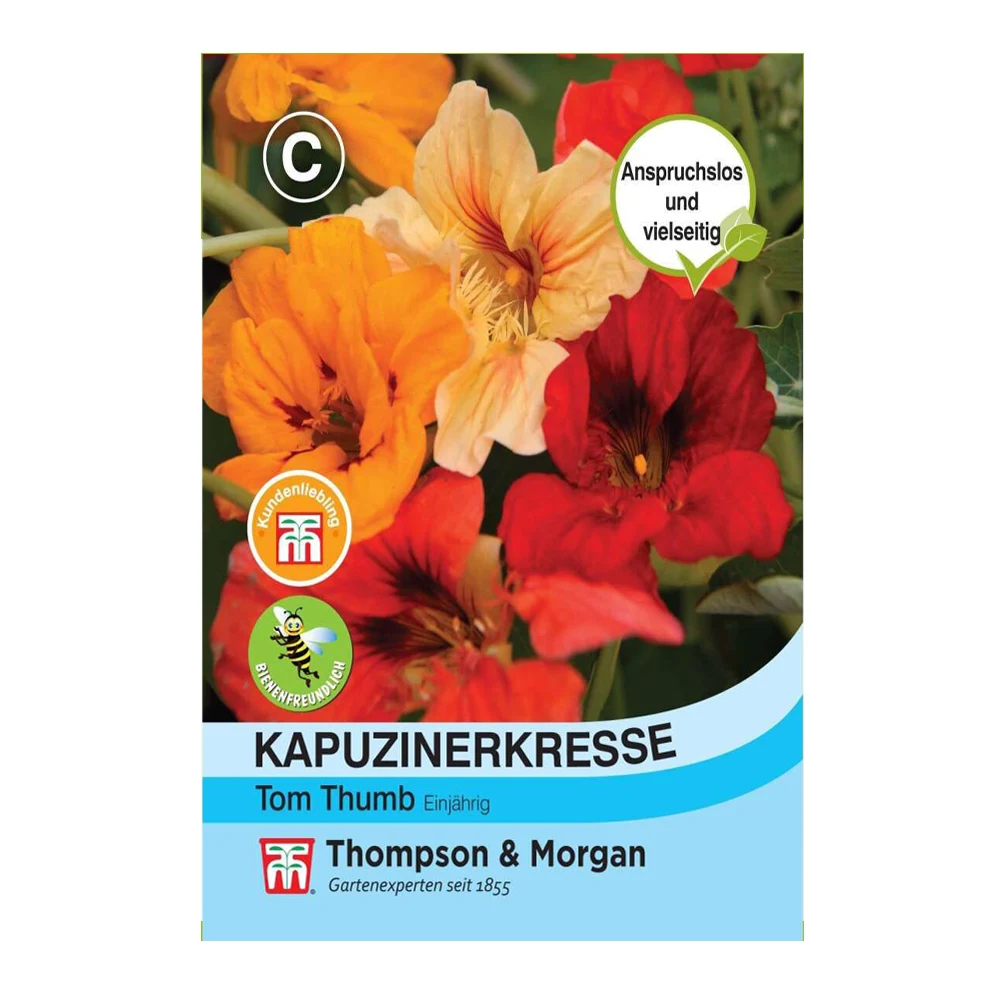
Nasturtium Tom Thumb
1,750 د.ك
Nasturtium Thumb is the classic dwarf heirloom nasturtium, producing a neat, self-contained mound of 20–30 cm covered in vivid single flowers of scarlet, orange, and yellow that rise distinctly above the foliage. Unlike its sprawling climbing and trailing relatives, Tom Thumb stays exactly where planted — making it the essential nasturtium for containers, raised beds, window boxes, and kitchen garden borders.
نفدت الكمية
Nasturtium ‘Tom Thumb’ seeds
Tropaeolum majus ‘Tom Thumb’ Seeds (Dwarf Compact Nasturtium Mix — Heirloom)
Tom Thumb is one of the oldest and most trusted dwarf nasturtium varieties in cultivation — a true heirloom selection that has been grown in kitchen gardens and cottage borders for generations. Unlike trailing or climbing nasturtiums that scramble vigorously, Tom Thumb is the compact dwarf form: a tidy bushy mound just 25–30 cm tall that stays put exactly where planted. This predictable, contained habit is its defining advantage and the reason it remains irreplaceable in small-space gardening, container planting, and formal kitchen garden design.
The flowers are held above the foliage — an especially showy characteristic — in shades of red, dark orange, light orange, yellow, and dark red. The classic nasturtium trumpet form is displayed to best effect in this dwarf variety precisely because the flowers rise clear of the rounded, lily-pad leaves rather than being partially hidden beneath them. Each individual bloom is approximately 5 cm across, with five slightly irregular petals and the characteristic small spur at the back.
The common name “nasturtium” comes from the Latin words for “nose-twister” — a humorous reference to the plant’s characteristic peppery scent and taste. The genus was named Tropaeolum by Carl Linnaeus, who saw the bright blossoms as resembling helmets and the circular leaves as shields, like the ancient Roman tropaeum — a pole hung with the armor of a defeated enemy.
Tom Thumb is a triple-value plant. Ornamentally, it delivers reliable, continuous colour from a compact footprint. As a companion plant, its pungent foliage confuses aphids and whitefly while serving as a trap crop drawing blackfly away from beans, courgettes, and brassicas. And culinarily, the entire plant is edible — flowers, leaves, stems, and unripe seeds — with a fresh, peppery flavour that enriches salads and garnishes. Even the seeds can be pickled and make an acceptable substitute for capers.
Variety Details
- Botanical Name: Tropaeolum majus (syn. Tropaeolum nanum in some listings)
- Variety: ‘Tom Thumb Mix’
- Type: Heirloom open pollinated mix Flower
- Type: Single, trumpet-shaped
- Seed Type: Open pollinated, non-GMO
- Plant Type: Hardy annual
Key Features
- Classic heirloom dwarf variety — compact mound of 20–30 cm, stays exactly where planted
- Flowers held above foliage — exceptionally showy display for a small plant
- Vivid multicolor mix: scarlet, dark orange, light orange, yellow, and dark red Fully edible — flowers, leaves, stems, and unripe seeds with fresh peppery flavor
- Outstanding companion plant — natural deterrent to aphids and whitefly
- Excellent trap crop — draws blackfly away from vegetables
- Fast germination: 7–14 days with pre-soaking
- Tolerates poor soil — rich soil reduces flowering
- Self-seeds reliably once established
Plant Information
- Height: 20–30 cm
- Spread: 25–30 cm
- Plant Type: Hardy annual
- Habit: Compact, upright mounding — non-climbing, non-trailing
- Flower Size: Approximately 5 cm across
- Flower Colors: Scarlet, dark orange, light orange, yellow, dark red
Germination Instructions
- Nasturtium seeds have a tough outer coat that benefits from pre-treatment before sowing.
- Soak seeds overnight — approximately 12 hours — in warm water to help seedlings break through the tough outer shell.
- For additional benefit, lightly scarify one side of each seed with fine sandpaper before soaking.
- Cover seeds well with approximately 13 mm of finely sifted soil — seeds require darkness for germination.
- Germination takes 7–14 days at a soil temperature of 15–18°C.
- Final plant spacing: 20–30 cm apart.
- Nasturtiums strongly resent root disturbance — direct sowing into the final position is always preferred.
- If starting indoors, use individual peat pots that can be transplanted whole without disturbing roots.
Growing Tips
- Tom Thumb prefers poor, well-draining soil.
- Overly rich soil will produce more leaves and fewer flowers.
- Do not add fertilizers or compost-enriched mixes unless the soil is extremely deficient.
- Water regularly until established then reduce — the plant is drought-tolerant once growing well, and consistent overwatering promotes lush foliage at the expense of flowering.
- In containers, ensure excellent drainage as waterlogged roots cause rapid decline.
- Deadhead spent flowers regularly or harvest open flowers for the kitchen — both actions signal the plant to produce more blooms.
- Tom Thumb tolerates partial shade better than some nasturtium varieties, which is useful in Kuwait during the warmer parts of the cool season when afternoon shade can extend flowering.
- Good air circulation reduces the risk of powdery mildew in humid or still-air conditions.
Gulf Planting Season
- Direct sow outdoors: October to November
- Indoor sowing (peat pots only): September to October, transplant with extreme care at 5–8 cm height
- Peak flowering season: November to March
- Note: Direct sowing is strongly preferred as Tom Thumb resents root disturbance.
- Sow directly into the final container or bed position in October for best results.
- Seeds require darkness to germinate — ensure good soil cover of at least 13 mm.
- Pre-soaking seeds overnight before sowing significantly improves germination speed and uniformity in Kuwait’s cooler autumn conditions.
Garden & Culinary Uses
- Tom Thumb is the nasturtium for window boxes, patio containers, kitchen-garden edging, and any position where space matters.
- Its compact, non-spreading habit makes it ideal for the front edge of raised beds, the rim of large containers in mixed plantings, and narrow border strips along paths.
- In the vegetable garden it is one of the most effective and practical companion plants available — its pungent foliage deters aphids and whitefly naturally while its bright flowers attract bees and other beneficial pollinators.
- As a trap crop, it draws blackfly away from susceptible vegetable crops with remarkable reliability.
- Culinarily, Tom Thumb delivers the full nasturtium palette of flavours and uses.
- Flowers are best harvested early in the morning and used fresh in salads, as garnishes on cold dishes, or to decorate mezze platters.
- Leaves add a peppery bite to wraps and sandwiches.
- Unripe green seeds can be pickled in vinegar and used as a caper substitute — a traditional preparation that has been valued in European kitchens for centuries and translates well to Gulf cooking
فقط العملاء الذين قاموا بتسجيل الدخول للموقه وقاموا بشراء هذا المنتج يمكنهم اضافه تقييم.
منتجات ذات صلة
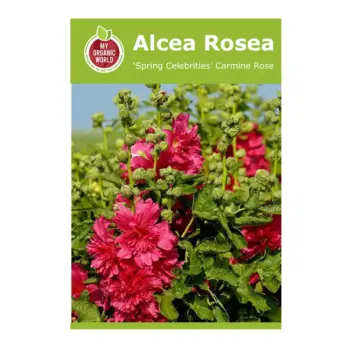
Spring Celebrities Carmine Rose hollyhock seeds, a striking dwarf hollyhock producing large, ruffled double blooms in brilliant carmine-rose shades from its first year. Compact habit makes it ideal for containers, small gardens, and raised bed plantings throughout the Gulf cool season.
Repacked in Kuwait
Packet Size: Contains 10 seeds.
متوفر في المخزون
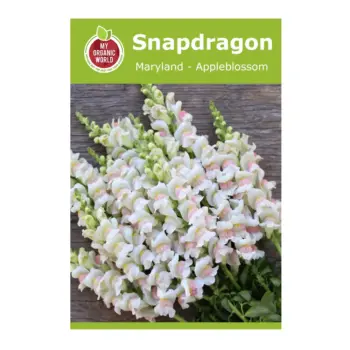
Snapdragon Maryland Appleblossom produces soft blush pink flowers with creamy tones on medium-tall plants about 100 cm. A refined variety ideal for cutting gardens and borders.
Packet Size: Contains 25 seeds.
Repacked in Kuwait
متوفر في المخزون
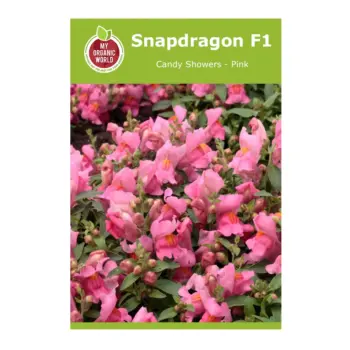
Candy Showers Pink snapdragon produces soft pink flowers on compact trailing plants about 15–25 cm tall. A colorful variety ideal for containers, hanging baskets, and garden borders.
Packet Size: Contains 25 seeds.
Repacked in Kuwait
متوفر في المخزون
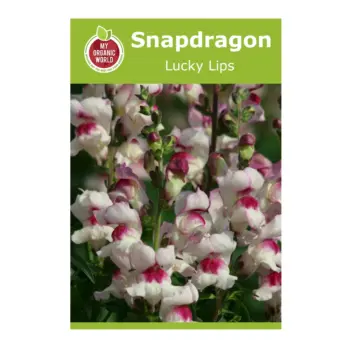
Lucky Lips snapdragon produces unique white flowers with rose red markings on compact plants about 45–60 cm tall. A striking variety suitable for containers, borders, and colorful garden displays.
Packet Size: Contains 100 Seeds.
Repacked in Kuwait
متوفر في المخزون
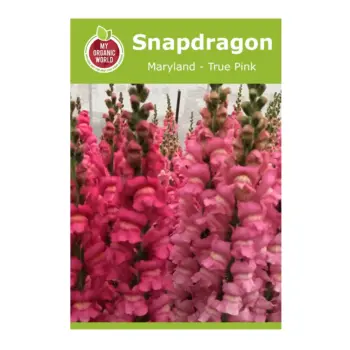
Snapdragon Maryland True Pink produces clear true pink flower spikes on strong plants about 100 cm tall. A reliable variety for cutting gardens and bright border displays.
Packet Size: Contains 25 seeds.
Repacked in Kuwait
متوفر في المخزون
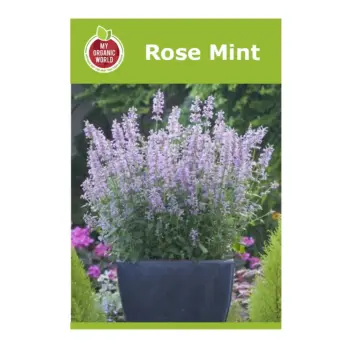
Rose Mint seeds produce aromatic lavender-rose flower spikes on compact plants about 45–60 cm tall. A fragrant herb suitable for pollinator gardens, herb beds, borders, and containers.
Repacked in Kuwait
Packet Size: Contains 50 seeds.
متوفر في المخزون
التقييمات
لا توجد تقييمات حتى الآن.