 العربية
 English
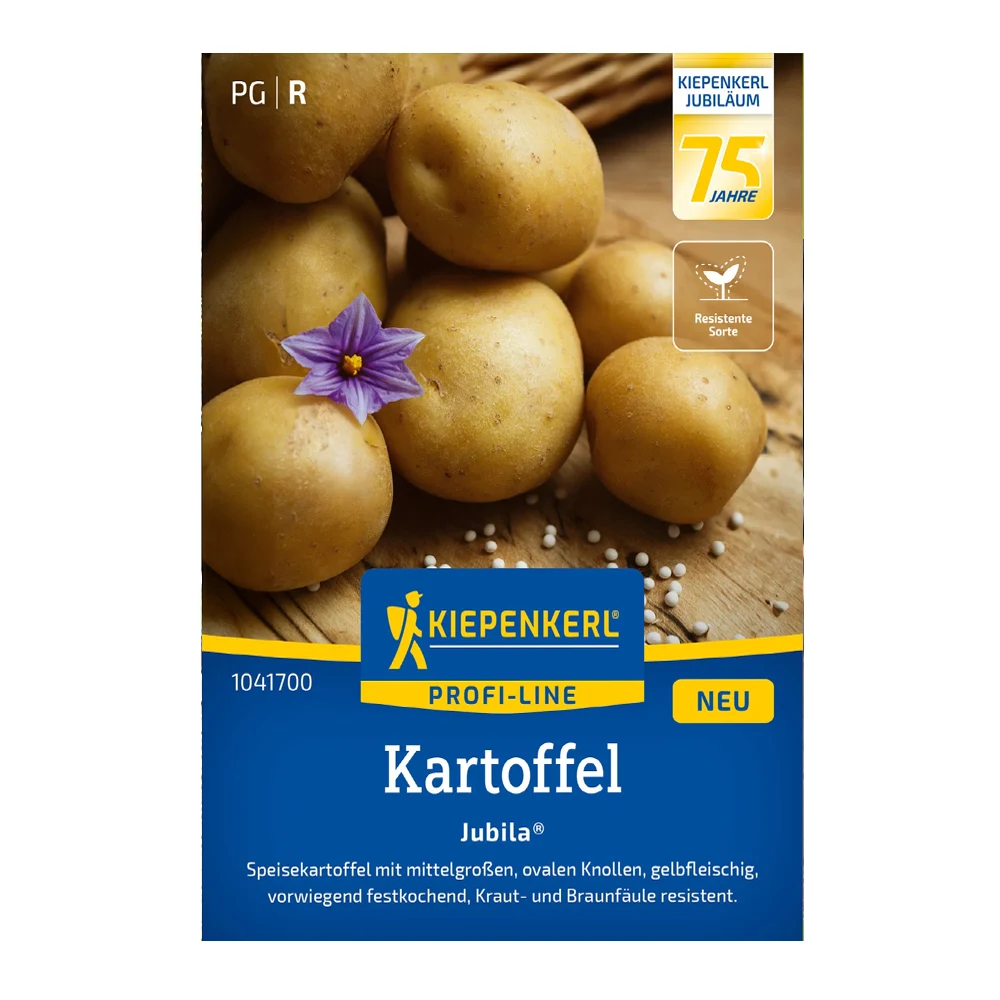
Potato Jubila
1,950 د.ك
Potato Jubila is a newly released potato variety from Kiepenkerl’s , launched to mark the company’s 75th anniversary. Unlike traditional potatoes grown from seed tubers, Jubila is propagated from true potato seed — actual botanical seed produced from the potato plant’s flowers — a genuinely novel cultivation method for the home garden. The variety produces medium-sized, oval, yellow-fleshed tubers with smooth skin, predominantly firm-cooking in texture, and the plant displays decorative purple flowers that add ornamental value to the vegetable bed. Jubila offers high yield reliability and excellent storage capability, harvestable after approximately 100 to 120 days, with confirmed resistance to late blight.
نفدت الكمية
Potato Jubila Seeds
(Solanum tuberosum, Potato ‘Jubila®’ F1 True — Kiepenkerl — 75 Jahre Anniversary Edition)
Jubila F1 is a Solanum tuberosum variety representing a significant departure from traditional potato propagation methods. This is a new offering from Kiepenkerl — true potato seeds rather than seed tubers — distinguished by its medium-sized, oval tubers with smooth skin and bright yellow flesh, making it a visual highlight on any plate.
True potato seed (TPS) is botanically distinct from the seed tubers (small whole potatoes) traditionally used to propagate potato varieties. Where seed tubers are essentially clones of the parent plant — genetically identical pieces of an existing potato — true seed is produced through sexual reproduction in the potato plant’s flowers, meaning each seed carries a unique genetic combination, similar to growing tomatoes or peppers from seed. This method offers practical advantages for the home gardener: true seed is lighter, more compact, and easier to store and transport than bulky seed tubers, and it can carry fewer soil-borne diseases since it is not derived from existing tuber tissue.
Jubila is an early, predominantly firm-cooking table variety. The oval, medium-sized tubers have smooth skin and yellow flesh and are ready for harvest after 100–120 days. Jubila is resistant to late blight (Phytophthora infestans), and the purple flowers provide an additional ornamental feature. Late blight resistance is a significant practical advantage — this fungal disease, caused by Phytophthora infestans, is historically the most destructive potato disease worldwide and remains a major yield-limiting factor in humid or fluctuating-temperature growing conditions.
After harvest, the tubers offer yellow, aromatic flesh and a balanced flavor, ideal for salads, fried potatoes, and boiled potatoes. The harvest of fresh potatoes occurs in the same year as planting, offering home gardeners both culinary enjoyment and a visual enrichment of the garden through the decorative purple flowers.
Variety Details
- Botanical Name: Solanum tuberosum
Variety: Jubila® F1
Producer: Kiepenkerl — 75th anniversary release
Propagation Method: True potato seed (TPS) — not seed tubers
Plant Type: Annual — early-maturing table potato
Family: Solanaceae
Habit: Upright, bushy
Height: 50–60 cm
Tuber Form: Oval, medium-sized
Skin: Smooth
Flesh Color: Yellow — aromatic, balanced flavor
Cooking Type: Predominantly firm cooking
Flower Color: Purple — ornamental feature
Disease Resistance: Late blight (Phytophthora infestans) resistant
Days to Harvest: 100–120 days from transplanting
Position: Sunny to partial shade
Uses: Salads, fried potatoes, boiled potatoes, roasted dishes, gratins, stews
Germination: Indoor pre-growing required — pelleted seed
Key Features
- Kiepenkerl — 75th anniversary special release (NEU)
- True potato seed (TPS) — genuinely novel propagation method, not standard seed tubers
- Pelleted seed format — easier handling and precise sowing
- Early-maturing table potato — harvest in 100–120 days
- Predominantly firm-cooking texture — versatile for multiple cooking methods
- Smooth-skinned, medium-sized oval tubers — attractive yellow flesh
- Late blight resistant — confirmed on packet
- Decorative purple flowers — ornamental value alongside culinary use
- Compact growth habit 50–60 cm — suitable for beds, raised beds, and small garden areas
- High yield reliability and excellent storage capability
- Same-year harvest from true seed — full crop cycle completed within a single season
- Lighter and more compact than traditional seed tubers — easier storage and transport
Plant Information
- Height: 50–60 cm
Plant Type: Annual — early-maturing
Habit: Upright, bushy
Tuber Form: Oval, medium-sized — smooth skin
Flesh: Yellow, aromatic, balanced flavor
Cooking Type: Predominantly firm cooking
Flower Color: Purple
Disease Resistance: Late blight resistant
Edible: Tubers — entire plant above ground is NOT edible (potato foliage and green tubers contain solanine and are toxic)
Germination Instructions
- True potato seed requires indoor pre-growing — this is fundamentally different from sowing seed tubers directly into the ground.
- Sow one pelleted seed per small pot in moist, well-drained seed compost, covering lightly.
- Maintain a bright position at a controlled maximum temperature of 20°C until germination and through early seedling growth — temperatures above this threshold can produce weak, leggy seedlings.
- Once seedlings reach 4–6 true leaves, they are ready for transplanting.
In Kuwait, sow indoors from mid-August at a controlled maximum temperature of 20°C — this requires an air-conditioned indoor space, as outdoor and ambient indoor temperatures in August routinely exceed the 20°C threshold. - Transplant the young plants, with a maximum of 6 leaves, into the final outdoor position from mid-September, once daytime temperatures begin to moderate.
- Set the plants deeply into the soil — this deep-planting technique encourages strong root and tuber development, similar to the hilling technique used with traditional seed potatoes. Planting in ridges or mounds helps the plants develop strongly and produce an even harvest. This September transplanting timing positions the 100–120 day growing cycle to conclude within Kuwait’s cool season, well before the cycle would otherwise be interrupted by either early autumn heat or late spring warming.
Growing Tips
- Potatoes prefer a sunny, warm outdoor position with loose, humus-rich, well-drained soil; waterlogging should be avoided.
- Care includes regular hilling, even watering, and balanced fertilizing with potassium and magnesium.
- Hilling — progressively mounding soil around the base of the growing stem as the plant develops — is essential for tuber development, as tubers form along the buried stem and exposure to light causes greening and solanine development, which renders the tuber inedible and unsafe.
- Harvest occurs 100–120 days after transplanting, when the above-ground plant parts begin to die back.
- Store tubers in a dry, dark, well-ventilated location at 4–8°C.
- Green potatoes should not be consumed due to their solanine content.
- In Kuwait’s climate, potato is a genuine cool-season crop requiring the full cool growing window to complete its 100–120-day cycle without summer heat stress.
- The decorative purple flowers, while ornamentally valuable, also serve as a useful developmental marker — flowering typically begins partway through the growing cycle and signals that tuber bulking is underway below ground. Avoid disturbing the root zone once flowering begins.
Gulf Planting Season
- Sow indoors (pelleted true seed): Early September, at controlled maximum temperature of 20°C
- Transplant to final outdoor positions: Late September to early October
- Harvest: Late December through January (100–120 days from transplanting)
- Storage: Dry, dark, well-ventilated location at 4–8°C
- Note: Potato Jubila requires Kuwait’s full cool-season window to complete its 100–120-day cycle without heat stress disrupting tuber development.
- Indoor pre-growing of the true seed in a temperature-controlled environment at a maximum of 20°C is essential — Kuwait’s September outdoor temperatures generally exceed this threshold, making indoor or air-conditioned germination necessary regardless of season.
- Transplanting in late September to early October, once outdoor daytime temperatures begin to moderate into the low-to-mid 30s°C and nighttime temperatures drop further, allows the young plants to establish during the still-warm early autumn before benefiting from the cooler conditions of November through January for the bulk of tuber development.
- Ridge or mound planting with progressive hilling as the stem grows is essential, as exposed tubers develop solanine and become inedible.
- Harvest in late December through January, when the above-ground foliage begins to die back, falls within Kuwait’s coolest and most stable growing period, supporting good tuber quality and storage potential.
- This single-sowing schedule fits within one of Kuwait’s two warm-to-cool transition windows and does not require the dual autumn-spring approach used for true warm-season crops such as zucchini, since potato’s longer cycle and cool-season tuber-bulking requirement are best served by a single well-timed autumn planting.
Companion Planting
- Potatoes benefit from several documented companion planting relationships in the kitchen garden.
- Beans and legumes planted nearby can contribute nitrogen to the soil that benefits the heavy-feeding potato crop.
- Marigolds are traditionally planted alongside potatoes for their reputed deterrent effect on certain soil-dwelling pests.
- Avoid planting potatoes near tomatoes, peppers, and aubergines — all members of the Solanaceae family that share susceptibility to the same diseases, including late blight, meaning proximity increases disease transmission risk even where the Jubila variety itself carries resistance.
- Crop rotation away from previous potato or other Solanaceae plantings is essential for long-term soil health and disease management.
Garden & Culinary Uses
- Jubila is suited to vegetable beds, raised beds, and small garden areas where its compact 50–60 cm growth habit and ridge-planting requirement fit comfortably.
- As a novel true-seed propagation method, it offers home gardeners and seed-saving enthusiasts an opportunity to experience potato cultivation from genuine botanical seed rather than the cloned seed tubers used in virtually all commercial and home potato growing — a point of horticultural interest beyond its practical culinary value.
- After harvest, the tubers offer yellow, aromatic flesh and a balanced flavor, ideal for salads, frying, and boiling.
- The predominantly firm-cooking texture with smooth skin makes Jubila well suited to frying, boiling in skins, and chips.
- In the Gulf Arab kitchen, firm-cooking yellow-fleshed potatoes such as Jubila are versatile across roasted, fried, and stewed preparations, and their firm texture holds shape well in slow-cooked dishes and tagine-style preparations that are common in regional cuisine.
فقط العملاء الذين قاموا بتسجيل الدخول للموقه وقاموا بشراء هذا المنتج يمكنهم اضافه تقييم.
منتجات ذات صلة
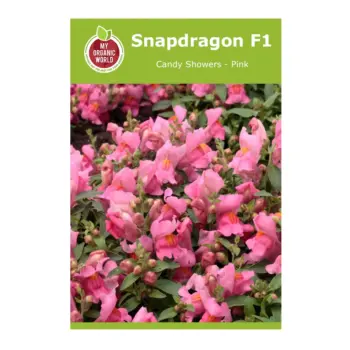
Candy Showers Pink snapdragon produces soft pink flowers on compact trailing plants about 15–25 cm tall. A colorful variety ideal for containers, hanging baskets, and garden borders.
Packet Size: Contains 25 seeds.
Repacked in Kuwait
متوفر في المخزون
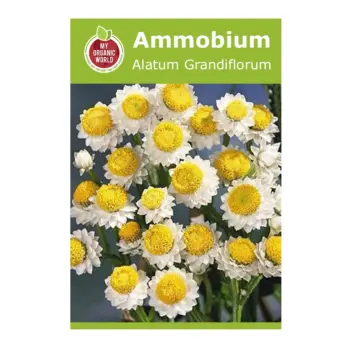
Ammobium alatum Grandiflorum produces bright white papery flowers with yellow centers on upright plants about 60–80 cm tall. A classic flower for cutting gardens and dried flower arrangements.
Repacked in Kuwait
Packet Size: Contains 100 seeds.
متوفر في المخزون
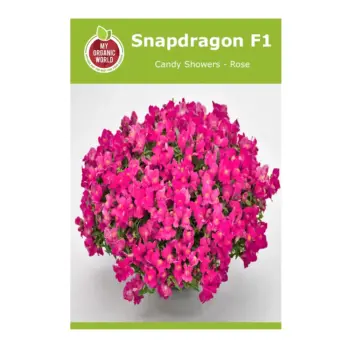
Candy Showers Rose snapdragon produces rose pink flowers on compact trailing plants about 15–25 cm tall. A colorful variety ideal for containers, hanging baskets, and garden borders.
Packet Size: Contains 25 seeds.
Repacked in Kuwait
متوفر في المخزون

Snapdragon Madam Butterfly Red produces rich red double azalea-like flowers on tall plants about 60–75 cm. A striking variety ideal for cutting gardens and ornamental borders.
Packet Size: Contains 25 seeds.
Repacked in Kuwait
متوفر في المخزون
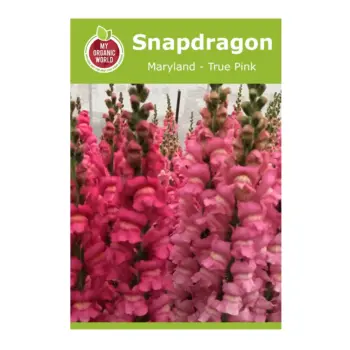
Snapdragon Maryland True Pink produces clear true pink flower spikes on strong plants about 100 cm tall. A reliable variety for cutting gardens and bright border displays.
Packet Size: Contains 25 seeds.
Repacked in Kuwait
متوفر في المخزون
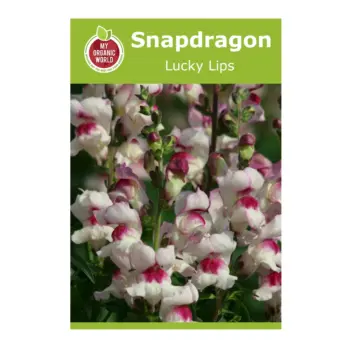
Lucky Lips snapdragon produces unique white flowers with rose red markings on compact plants about 45–60 cm tall. A striking variety suitable for containers, borders, and colorful garden displays.
Packet Size: Contains 100 Seeds.
Repacked in Kuwait
متوفر في المخزون
التقييمات
لا توجد تقييمات حتى الآن.