 العربية
 English
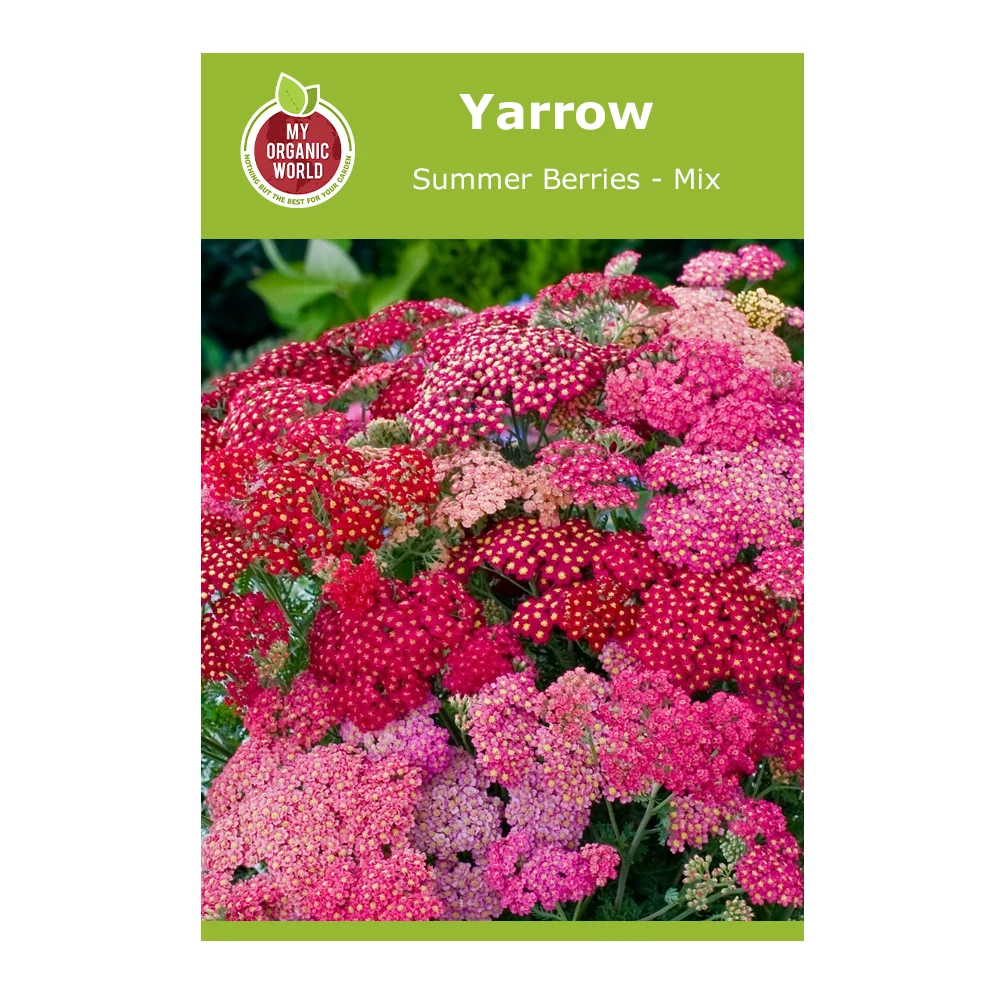
Yarrow Summer Berries Mix
1,250 د.ك
Yarrow Summer Berries Mix is pretty foliage of yarrow combines with soft, muted, berry tones to produce a lovely bedding plant with flowers in shades of apricot, raspberry, and cherry — a relatively carefree plant that produces abundant umbels of blooms that start out on the pastel side but grow more richly hued as the season progresses. A cheerful, easy to grow, prolific blooming perennial featuring umbrella-shaped disc flower heads in cerise, pink, light rose, red, apricot, and lilac — a staple ingredient in pollinator gardens and popularly used in the floral industry as a filler flower always in high demand due to its long vase life and lacy decorative appearance.
Repacked in Kuwait
Packet Size: Contains 3o seeds.
نفدت الكمية
Yarrow Summer Berries Mix Seeds
(Achillea millefolium — Open Pollinated Mix)
Yarrow Summer Berries Mix shares the same botanical species as Flowerburst Red Shades — both are Achillea millefolium, both are F2 populations, both flower in the first year from seed, and both deliver the distinctive flat-topped corymb flower head form that defines the genus. The differences are in color palette, color character, and sourcing.
Where Flowerburst Red Shades concentrates on the deeper, more saturated warm tones — crimson, cherry, dark rose, and violet — Summer Berries Mix extends the palette in both directions: colors include salmon, yellow, white, pink, cherry red, and cream — the most beautiful, drought-resistant long-lasting yarrow, splendid for fresh and dried arrangements and long-lasting garden color. Summer Berries Mix is a blend of gold, apricot, yellow, pink, salmon, and bright red — flat-topped flower heads that last for weeks on end, standing above fern-like leaves that draw the eye when they flower.
The color character of Summer Berries Mix is described across multiple sources as distinctly different from the darker, richer tones of Flowerburst Red Shades. Flowers start out on the pastel side but grow more richly hued as the season progresses — a dynamic color development where the soft apricot and salmon tones of newly opened flower heads deepen gradually to more saturated cherry and rose tones as the season advances. This progressive color shift means that a planting of Summer Berries Mix carries multiple color expressions simultaneously as different flower heads are at different stages of development.
Yarrow is commonly used in cutting gardens to soften angular shapes in border and bed plantings — a staple ingredient in pollinator gardens for its delicate appearance, pleasing aroma, low maintenance, and brilliant tapestry of color combinations. An excellent variety for supporting beneficial insects such as butterflies, damsel bugs, lacewings, ladybugs, and parasitic wasps. Popularly used in the floral industry as a filler flower — always in high demand due to its long vase life and lacy decorative appearance. When dried, the color remains stable, making it a favorite for dried flower arrangements.
Summer Berries Yarrow is heat tolerant and seaside/salt tolerant — adapts to various soil conditions and does well in average, gritty, lean, and well-drained soil. Prefers to be dry in summer. This preference for dry summer conditions is particularly relevant to Kuwait — the species’ natural dormancy cycle of cool-season growth and summer desiccation closely matches Kuwait’s seasonal pattern, making Summer Berries Mix a naturally suited permanent garden plant for the Gulf climate. Park Seed
Variety Details
- Botanical Name: Achillea millefolium
- Variety: Summer Berries Mix
- Seed Type: Open pollinated mix (F2 hybrid)
- Plant Type: Hardy perennial — flowers first year from seed
- Common Names: Yarrow, Common Yarrow, Milfoil, Summer Berries Yarrow
- Origin of species: Native to Europe and Asia — naturalized throughout the temperate world
- Family: Asteraceae
- Vase Life: 7–10 days fresh; retains color when dried
- Palette distinction vs Flowerburst Red Shades: wider and softer — includes salmon, apricot, cream, and yellow absent from Flowerburst
Key Features
- Widest color palette in the yarrow catalogue: salmon, apricot, cerise, cherry red, pink, cream, yellow, and lilac
- Colors deepen progressively as season advances — starts pastel, develops to richer berry tones
- Open pollinated mix — natural color variation between plants, no two plants exactly alike
- Hardy perennial — flowers first year from seed, returns and improves each subsequent cool season
- Excellent dual-use cut flower: fresh (7–10 days) and dried (color stable)
- Outstanding filler flower value in mixed bouquets — flat-topped form and lacy appearance
- Softer and more romantically versatile palette than Flowerburst Red Shades — wider arrangement compatibility
- Exceptional drought, heat, and salt tolerance — thrives in lean, well-drained soils
- Outstanding pollinator and beneficial insect value
- Deer and rabbit resistant
- Seeds require light to germinate — surface sow
- Fast germination: 3–4 days at 17–20°C (Muller Seeds source) or 14–21 days at 18–22°C
Plant Information
- Height: 60–75 cm
Spread: 30–45 cm
Plant Type: Hardy perennial — flowers first year from seed
Habit: Upright, clump-forming, spreading at base with age
Flower Head Form: Flat-topped corymb — umbrella-shaped disc
Flower Head Size: 5–10 cm across
Color Mix: Salmon, apricot, cerise, cherry red, pink, cream, yellow, and lilac — pastel to deep berry progression
Foliage: Finely divided, feathery, dark green — fern-like, pleasantly aromatic
Vase Life: 7–10 days fresh; color-stable when dried
Germination Instructions
- Press seeds into the surface of the soil as they need light to germinate — do not cover.
- Keep soil moist and at 18–22°C. Germination takes 14–21 days. Alternatively.
- Sow thinly onto the surface of moist, well-drained seed compost.
- Cover with the finest possible sprinkling of vermiculite to retain moisture while maintaining light access.
- Bottom water or mist gently to avoid dislodging seeds.
- Once seedlings have two true leaves transplant to individual 8 cm pots and grow on at 13–18°C before outdoor transplanting at 30–45 cm spacing. Start indoors 6–8 weeks before planned outdoor transplanting date.
- For Kuwait: sow indoors in air-conditioned conditions in August–September for October–November transplanting.
- The 120-day flowering calendar from a September sowing aligns peak flowering with January–March. Identical scheduling to Flowerburst Red Shades — both yarrow varieties can be sown and transplanted simultaneously for a two-palette yarrow collection in the same cutting garden.
Growing Tips
- Full sun, well-draining soil — tolerates moderate soil fertility and infrequent watering.
- Drought tolerant once established. Cut back after flowering for a fresh supply of leaves and to encourage a second flush of flowers.
- Does well in seaside gardens as they are drought resistant. Avoid over-fertilizing — lean soil produces stronger stems and more flowers than rich soil.
- When cut early in the season plants will bloom again — a cut-and-come-again variety for cut flower growers.
- Harvest when blooms are fully open for fresh use; hang to dry for dried flower arrangements where the color remains stable.
- Tolerates moderate soil fertility and infrequent watering — start indoors then transplant, and the plant will take care of itself with minimal intervention.
- Divide established clumps every 3–4 years to maintain vigor and prevent the center from dying out.
Gulf Planting Season
- Indoor sowing (air-conditioned): August to September, transplant October–November
- Direct sowing outdoors: October
- Peak flowering season: December to March
- Extended season: continues into April due to heat tolerance
- Perennial establishment: plants established in the cool season will die back in summer and regrow from the rootstock the following October
- Note: Identical seasonal guidance to Flowerburst Red Shades — both yarrow varieties share the same planting calendar, growing requirements, and perennial permanence characteristics.
- The practical difference for Kuwait growers choosing between the two varieties is color palette: Flowerburst Red Shades delivers deeper, more saturated warm reds and crimsons suited to bold, dramatic arrangements; Summer Berries Mix delivers a softer, wider palette including salmon, apricot, cream, and yellow that provides greater versatility for romantic, pastel-influenced, and neutral arrangements.
- Growing both varieties in the same cutting garden bed provides the full color range of the Achillea millefolium species from a single autumn sowing.
Garden & Floral Uses
- Summer Berries Mix is a staple ingredient in pollinator gardens and popularly used in the floral industry as a filler flower — always in high demand due to its long vase life and lacy decorative appearance.
- The flat-topped flower heads on long stems add bulk, durability, and beauty to bouquets.
- When dried, the color remains stable making it a favorite for dried flower arrangements.
The wider, softer palette of Summer Berries Mix gives it different arrangement applications than the deeper-toned Flowerburst Red Shades. - The salmon and apricot tones pair naturally with peach, cream, and blush companions — white lisianthus, cream ranunculus, and peach-toned roses or peonies.
- The cherry and cerise tones within the same mix provide warmth and depth alongside the paler companions.
- Salmon-apricot-yellow-cherry-pink-cream — compact, durable perennials that refuse to fade — soft and romantic at its best in cottage garden style plantings.
- In Kuwait’s cool-season cutting garden, Summer Berries Mix planted alongside Flowerburst Red Shades creates a complete yarrow color collection that spans from the deepest crimson-violet through all intermediate berry, rose, and warm neutral tones to the softest apricot and cream — providing yarrow harvest material for every arrangement style from bold and dramatic to soft and romantic throughout the November to March cutting season.
فقط العملاء الذين قاموا بتسجيل الدخول للموقه وقاموا بشراء هذا المنتج يمكنهم اضافه تقييم.
منتجات ذات صلة
Candy Showers Orange snapdragon produces bright orange flowers on compact trailing plants about 15–25 cm tall. A colorful variety ideal for containers, hanging baskets, and garden borders.
Packet SizeL Contains 25 seeds.
Repacked in Kuwait
متوفر في المخزون
Yarrow Marshmallow the flowers look exactly like tiny marshmallows or popcorn buttons — a vigorous, cheerful plant that provides the essential white noise in a border, breaking up bold colors and knitting planting schemes together. Unmatched as a cut flower filler, lasting well in water and drying beautifully for winter arrangements. Achillea ptarmica ‘Marshmallow’ is a compact, clump-forming perennial known for its charming double creamy-white pom-pom-shaped flowers and slender green foliage — a favorite for cottage-style gardens and floral arrangements.
Repacked in Kuwait
Packet Size: Contains 25 seeds.
فقط 1 متبقي في المخزون
Snapdragon Madam Butterfly Rose produces elegant double azalea-like flowers in soft rose tones on tall plants about. A refined variety ideal for cutting gardens and ornamental borders.
Packet Size: Contains 25 seeds.
Repacked in Kuwait
متوفر في المخزون
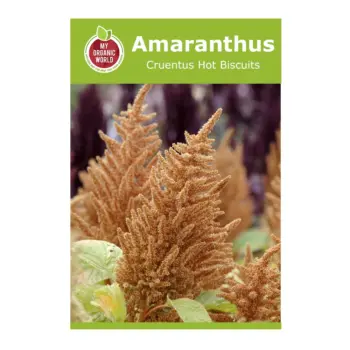
Amaranthus Cruentus Hot Biscuits produces tall plants with warm copper to cinnamon colored flower plumes. A striking ornamental plant ideal for borders, cutting gardens, and dried flower arrangements.
Repacked in Kuwait
Packet Size: Contains 250 seeds.
متوفر في المخزون
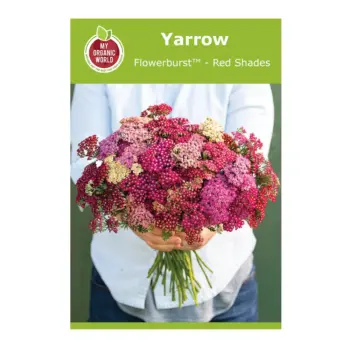
Flowerburst™ Red Shades – Yarrow is a very attractive cultivated blend of Yarrow in various shades of red, rose, and purple giving a warm, welcoming splash of color in the garden over a long period. Flowering the first year from seed, easy to grow, and very good for cutting. Bees and butterflies love them too. A warm, romantic blend of crimson, cherry, and deep rose blooms, each cluster glowing above delicate, ferny foliage — long-lasting flowers that bring depth and richness to borders, meadow plantings, and bouquets, blending beautifully with softer tones of peach, ivory, and blush. Drought tolerant and low maintenance, it thrives in sun and lean soil.
Repacked in Kuwait
Packet Size: Contains 3o seeds.
متوفر في المخزون
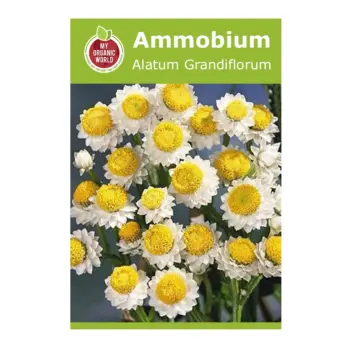
Ammobium alatum Grandiflorum produces bright white papery flowers with yellow centers on upright plants about 60–80 cm tall. A classic flower for cutting gardens and dried flower arrangements.
Repacked in Kuwait
Packet Size: Contains 100 seeds.
متوفر في المخزون
التقييمات
لا توجد تقييمات حتى الآن.