 العربية
 English
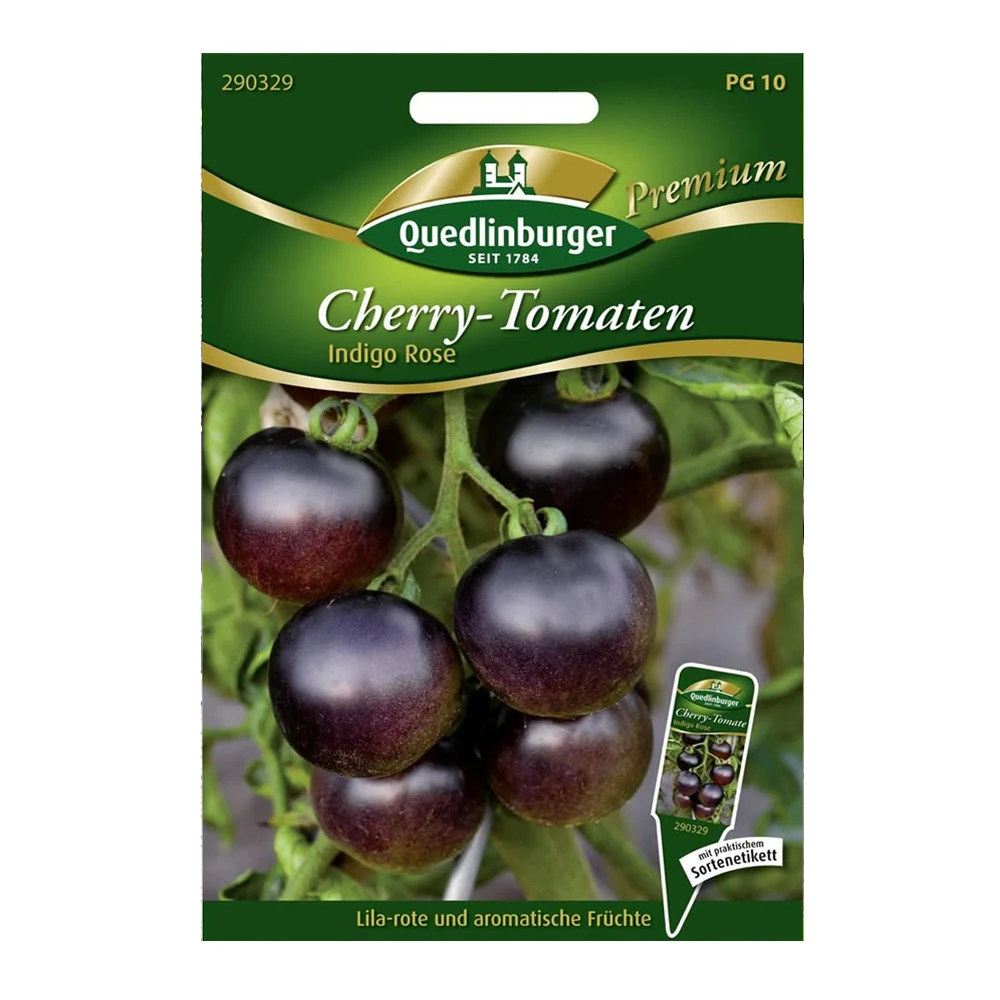
Cherry Tomato Indigo Rose
1,950 د.ك
Cherry Tomato Indigo Rose is the world’s first improved tomato variety bred to contain anthocyanin — the powerful antioxidant pigment found in blueberries — directly in the edible fruit. Developed at Oregon State University specifically for its antioxidant potential, Indigo Rose is a natural hybrid containing genes from wild tomato species that produce anthocyanin, crossed with cultivated species known for good flavor and fruit quality. The result is a striking cherry tomato with a glossy, deep purple-black crown that fades to orange red on the shaded underside, carrying a complex, plum-like flavor that balances sweetness with bright acidity.
نفدت الكمية
Cherry Tomato Indigo Rose Seeds
(Solanum lycopersicum — Open-Pollinated — Quedlinburger Premium)
Indigo Rose was developed by Jim Myers and his breeding team at Oregon State University over a ten-year breeding programme. Gardeners were already familiar with purple heirloom tomatoes like Cherokee Purple, Black Krim, and Black Prince, but the purple hue in those tomatoes is caused by pheophytin, a pigment that does not contain anthocyanins. Indigo Rose is fundamentally different — it is the first tomato variety in which the actual antioxidant anthocyanin, previously found only in the inedible leaves and stems of cultivated tomatoes or in the fruit of wild, inedible tomato species, has been bred into the edible fruit itself.
The skins load up with anthocyanin where sunlight hits, which is why the shoulders turn inky purple while shaded areas stay paler until ripening. Areas hidden by leaves remain orange red but will turn purple if exposed to sunlight within a week. The lower half of the fruit, and areas hidden by leaves, are orange-red, as the purple pigment is produced only where the fruit is exposed to sunlight. This sun-dependent pigmentation means that fruit positioned in full light develops the most dramatic, near-black, purple crown, while shaded fruit on the same plant remains predominantly red — a visually striking variation that occurs naturally within a single harvest.
The flesh is both meaty and succulent, with seeds that burst in the mouth with acidity while the flesh counters with sweetness and depth — a fragrant blend reminiscent of paprika and smoke. The flavor is clean and clear, reminiscent of plums, with a slightly acidic sweetness found only in home-grown tomatoes. The fruit hangs in clusters from vigorous vines with distinctive wild, curly leaves.
Ripeness cues require attention — pick when the underside flushes deep brick red, the purple darkens, and the fruit gives slightly at the calyx. Picking too early, relying on color alone, can result in disappointingly mild flavor, since the fruit must be fully ripened to reach its best taste. The flavour profile sweetens further after a few days resting at room temperature following harvest.
Variety Details
- Botanical Name: Solanum lycopersicum
- Variety: Indigo Rose
- Breeding Institution: Oregon State University — Jim Myers breeding programme
- Producer: Quedlinburger Premium
- Seed Type: Open-pollinated
- Plant Type: Compact indeterminate (semi-determinate habit reported by some growers)
- Family: Solanaceae
- Habit: Vigorous, sprawling vines with distinctive wild, curly leaves — benefits from staking
- Height: 1.8–2.4 m where indeterminate growth is allowed to continue
- Fruit Size: 1–2 oz (28–57 g) — average 50 g — cherry size
- Fruit Color: Glossy deep purple-black crown (sun-exposed) fading to orange-red underside (shaded)
- Pigment: Anthocyanin — the same antioxidant found in blueberries — unique among cultivated tomato fruit
- Flavor: Complex, plum-like, balanced sweetness with bright acidity, notes of paprika and smoke
- Days to Maturity: 75–80 days from transplant
- Disease Resistance: Good general disease resistance reported; fruit resists cracking
- Yield: 6–8 lbs. (2.7–3.6 kg) per plant per season
- Uses: Fresh eating, salads, roasting, sauces, pickling, drying
- Germination: 6–10 days at 21–27°C
Key Features
- World’s first improved tomato variety with anthocyanin in the fruit — Oregon State University breeding programme
- High antioxidant content — anthocyanin, vitamin C, and lycopene all present
- Striking visual novelty — glossy purple-black crown fading to red-orange underside
- Sun-dependent pigmentation — fruit color intensity reflects light exposure, creating natural variation within a single harvest
- Complex plum-like flavor with paprika and smoke notes — balanced sweetness and acidity
- Resists fruit cracking — confirmed by multiple growers
- Compact indeterminate habit — more manageable than full-sized indeterminate vines, though still benefits from staking
- Productive yield — 6–8 lbs. (2.7–3.6 kg) per plant per season
- Open-pollinated — suitable for seed saving from healthiest fruit
- Flavor improves with 3 days of counter-ripening at 20–22°C after harvest
- Suitable for garden beds and large containers
- Curly, distinctive wild-type foliage adds ornamental interest
Plant Information
- Height: 1.8–2.4 m (with staking and continued indeterminate growth)
- Habit: Vigorous, sprawling, compact indeterminate vines with curly wild-type foliage
- Fruit Form: Round, cherry-sized
- Fruit Color: Purple-black crown (sun-exposed) to red orange (shaded) — color intensifies with ripening
- Flesh: Rosy, purple to deep red — meaty, succulent
- Flavor: Plum-like, complex, balanced sweetness and acidity, notes of paprika and smoke
- Edible: Fruit only — leaves and stems of all tomato plants are toxic and not edible
Germination Instructions
- Start seed in a warm, bright, well-ventilated area six to eight weeks before transplanting outdoors.
- To encourage stockiness, sink seedlings deeper into well-enriched soil than they were grown, so the soil covers the lowest layer of leaves.
- Position stakes, cages, or supports at transplanting time to avoid disturbing the plants later.
- Sow seeds 6 mm deep in moist, well-drained seed compost at a soil temperature of 21–27°C.
- Germination occurs within 6–10 days. Once seedlings have developed 2–3 sets of true leaves, transplant into individual larger pots and grow on in bright light.
- Harden off gradually over 7–10 days before transplanting to the final outdoor position once nighttime temperatures are consistently above 15°C.
- In Kuwait, sow indoors in early September for transplanting outdoors from late September to early October.
Growing Tips
- Tomatoes like fertile, well-drained soil rich in organic matter.
- Dig in finished compost and manure and add a cup of balanced organic fertilizer beneath each transplant.
- Regular watering is vital, but don’t let the plants sit in water.
- Tomatoes are tropical plants requiring full sun and lots of heat.
- Vine varieties require some kind of support such as a wire to grow up, or a trellis to be tied to as the plant grows.
- To increase anthocyanin development and antioxidant content, position plants in full sun exposure — sunlight drives the purple pigmentation directly.
- Applying compost tea biweekly enhances trace minerals, boosting fruit nutritional value and resistance to pests.
- Ripeness can be deceiving — pick when the underside flushes deep brick red, the purple darkens, and the fruit gives slightly at the calyx, rather than relying on the dark crown color alone. Fruit picked too early, even if visually dark purple, can be disappointingly mild — allow full ripening on the vine and a further 2–3 days resting at room temperature (20–22°C) after harvest for the fullest flavor development.
- Watch for common issues: purple-tinted seedling leaves often indicate cool roots or phosphorus deficiency — warm the growing medium and feed lightly to correct.
- Green shoulders that stay hard indicate fruit shaded too early — allow more time for the underside to redden.
- Splitting after heavy rain or watering can be reduced by picking blushing fruit before storms and finishing the ripening process indoors.
- Blossom drop in extreme heat is managed with afternoon shade cloth and improved airflow.
- In Kuwait’s intense summer heat, afternoon shade protection is particularly important to prevent blossom drop and sunscald on the exposed purple shoulders.
Gulf Planting Season
- Sow indoors: Early September
- Transplant to final outdoor positions: Late September to early October
- Harvest: 75–80 days from transplant — early to mid-December onward
- Note: Indigo Rose requires Kuwait’s warm-to-mild autumn transition to establish well, followed by sustained full sun through the cool season to develop its characteristic anthocyanin pigmentation — sunlight exposure is directly responsible for the depth of purple color in the fruit, making Kuwait’s intense winter sun an advantage rather than a limitation for this variety.
- Sowing indoors in early September and transplanting in late September to early October allows the plant to establish during the still-warm early autumn weeks before the cooler temperatures of November through January support fruit ripening.
- With a 75–80-day maturity window from transplant, first harvest can be expected from early to mid-December, continuing through the cool season into February as the indeterminate vine continues producing new flower trusses.
- Provide sturdy staking or caging at transplanting time, as the vigorous sprawling habit requires support throughout the growing season.
- Position the plant where fruit clusters receive maximum direct sun exposure to achieve the deepest, most dramatic purple black coloration that distinguishes this variety.
- As with all tomatoes in this catalogue, avoid planting in soil previously used for potatoes, peppers, or aubergines to reduce disease pressure from shared Solanaceae pathogens.
Companion Planting
- Indigo Rose benefits from the well-documented companion planting relationships shared by all tomato varieties.
- Basil is the classic pairing — supported by both traditional practice and documented essential oil chemistry, as the aromatic compounds in basil foliage interfere with the host-finding behavior of common tomato pests while sharing compatible growing conditions of full sun and warm temperatures.
- Marigolds planted nearby are traditionally used to deter nematodes and certain soil-dwelling pests.
- Avoid planting tomatoes near potatoes, peppers, and aubergines — all members of the Solanaceae family that share susceptibility to the same diseases, including late blight, meaning proximity increases disease transmission risk.
- Borage is another traditional tomato companion, reported to improve growth and flavor while attracting pollinators.
Garden & Culinary Uses
- Indigo Rose is suited to garden beds, large containers, and staked or caged cultivation where its vigorous, sprawling vines have room to develop.
- Use the fruit fresh for best nutrition, as cooking and processing reduce some of the antioxidant content.
- Indigo Rose cherry tomatoes are excellent for fresh eating but can also easily replace standard cherry tomatoes in any recipe, hot or cold.
- Beyond fresh eating, the fruit can be sun-dried — halved, lightly salted, and dried for 4–6 days in sunlight or 6–8 hours in a dehydrator at 57°C; pickled in a vinegar-brine solution with garlic, dill, and peppercorns for a nutrition-packed pantry staple; or flash-frozen whole or sliced for storage.
- Imperfect or overripe fruit can be used in sauces, soups, and preserves to prevent food waste.
- In Gulf Arab cuisine, the striking purple black color of Indigo Rose makes it an exceptional visual addition to mezze platters, fresh salads, and garnish presentations, where the color contrast against more familiar red tomato varieties draws attention and conversation.
- The plum-like, smoky flavor profile pairs particularly well with grilled meats and fish, where its complexity stands up against char and spice in a way that standard cherry tomatoes cannot match.
فقط العملاء الذين قاموا بتسجيل الدخول للموقه وقاموا بشراء هذا المنتج يمكنهم اضافه تقييم.
منتجات ذات صلة
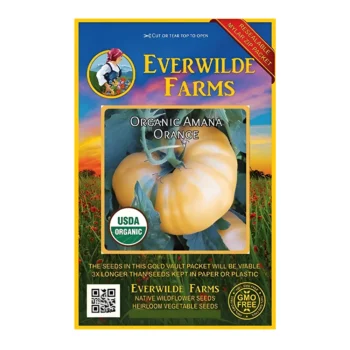
Grow Organic Amana Orange Heirloom Tomato Seeds.
2lb, 5″ beefsteak, mild flavor.
Indeterminate, 85 days. Historic Iowa heirloom.
Get your seeds now.
متوفر في المخزون
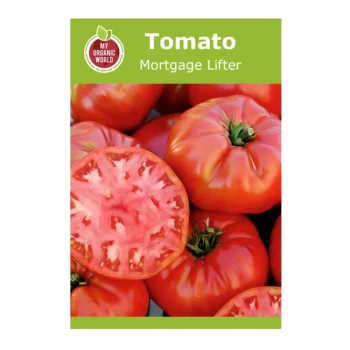
Grow legendary Mortgage Lifter Tomato seeds.
Large, beefsteak heirloom with sweet, low-acid flavor.
Indeterminate, high-yield. Get your Mortgage Lifter Tomato seeds today.
Repacked in Kuwait
متوفر في المخزون
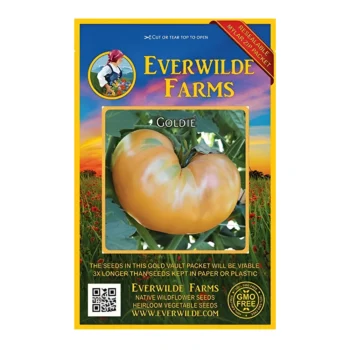
Grow sweet Goldie Heirloom Tomato seeds.
Large yellow beefsteak, rich flavor, perfect for slicing.
Indeterminate, 90 days to harvest.
Get your Goldie Heirloom Tomato seeds.
فقط 2 متبقي في المخزون
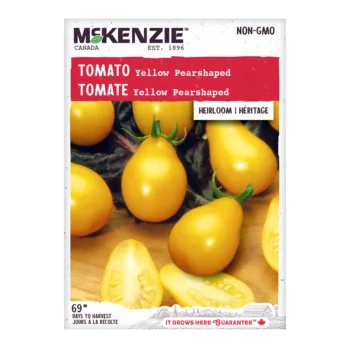
Enjoy sweet, bite-sized Yellow Pear Shaped Organic Tomato
These indeterminate, open-pollinated tomatoes are perfect for salads and snacks.
Certified organic, with a delightful flavor.
Get your Yellow PearShaped Organic Tomato seeds today
فقط 2 متبقي في المخزون
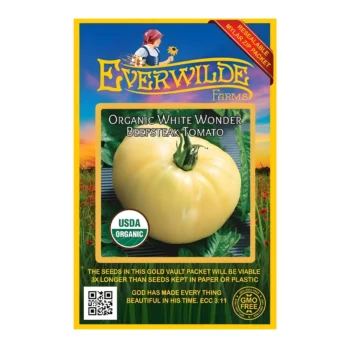
Grow Organic White Wonder Beefsteak Tomato seeds.
Sweet, mild, creamy white flesh, 85 days to harvest.
Indeterminate, heirloom. Unique color & flavor.
Get your Organic White Wonder Beefsteak Tomato seeds now.
متوفر في المخزون
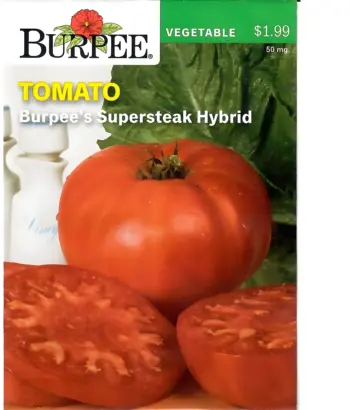
Grow huge Supersteak Hybrid Tomato.
2 lb beefsteak fruits, meaty texture, excellent flavor.
Perfect for slicing & cooking.
Get your Supersteak Hybrid Tomato seeds today.
متوفر في المخزون
التقييمات
لا توجد تقييمات حتى الآن.