 العربية
 English
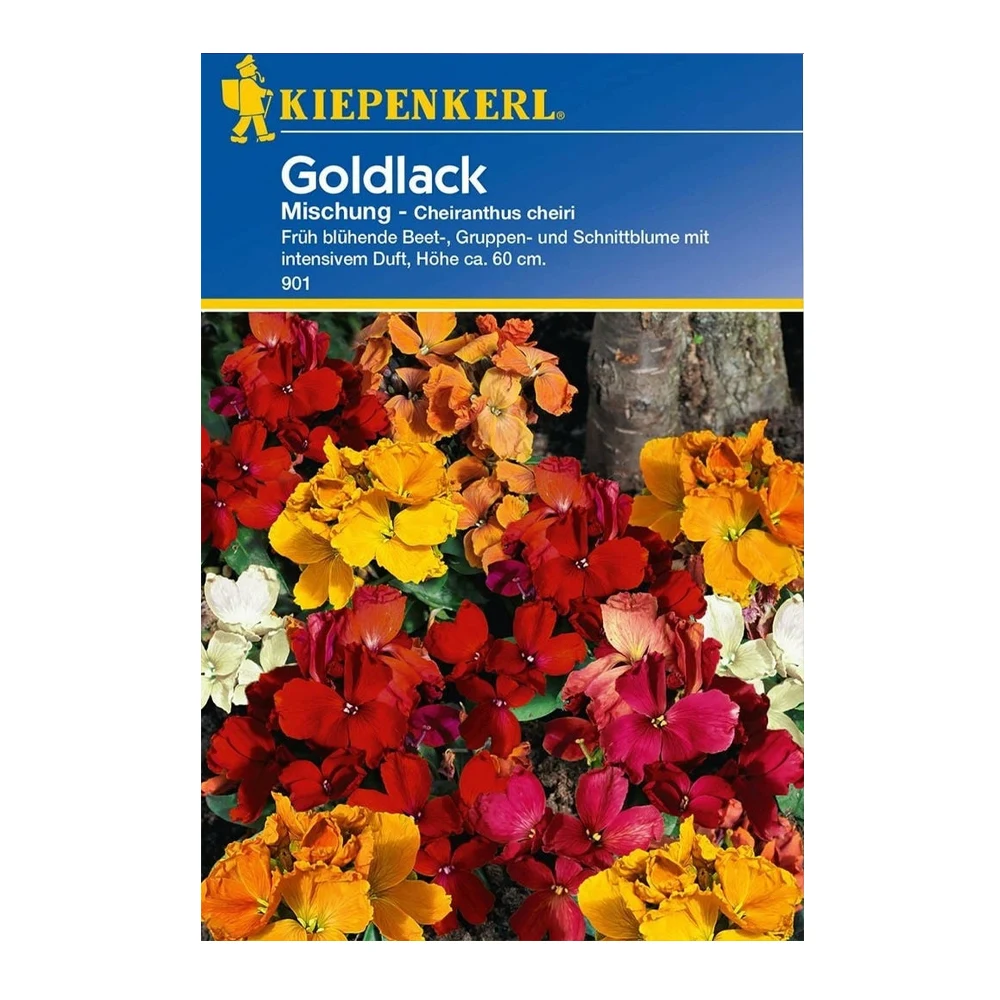
Wallflower Goldlack Mix
1,250 د.ك
Wallflower Goldlack Mix is Kiepenkerl’s classic biennial wallflower — described on the packet as an early-flowering bedding, grouping, and cut flower plant with intense fragrance, growing to approximately 60 cm. Classified as Cheiranthus cheiri (synonym Erysimum cheiri), it is one of the most historically significant fragrant garden plants in European horticulture, grown in castle gardens and cottage borders since the early Middle Ages and long valued both for its rich warm color range and the intense violet-like scent that is strongest in the evening and in warm, sheltered positions. The Goldlack Mix brings together the full warm tonal spectrum — red, crimson, dark burgundy, orange, yellow, and white — in a bushy, well-branched plant that performs equally well in beds, group plantings, containers, and as a cut flower with lasting vase life.
نفدت الكمية
Wallflower Goldlack Mix Seeds
(Cheiranthus cheiri — Erysimum cheiri — Biennial — Kiepenkerl )
Wallflower Goldlack Mix is a Cheiranthus cheiri — the English Wallflower, also classified under the synonym Erysimum cheiri — a hardy biennial grown as a cool-season annual in warmer climates, producing dense terminal flower spikes of rich, velvety blooms in a warm palette of red, crimson, deep burgundy, orange, yellow, pink, and white. Kiepenkerl has produced this variety, and the Goldlack Mix represents the core of the Kiepenkerl flowering biennial range — a bushy, strongly fragrant bedding, grouping, and cut flower plant of 30–60 cm height.
John Gerard, writing in his Herball of 1597, noted that the wallflower “growth on bricked and stone walls, in the corners of churches, as also among rubbish and other such stony places everywhere” — alluding to how the plant got its common name, as well as its love of good drainage and sun. (Gerard, Herball, 1597) This affinity for well-drained, even poor alkaline soils — the mortar of walls, rubble, chalky ground — reflects the plant’s natural ecology as a southern European species native to the Mediterranean region, naturalized across northern Europe where it colonized stone and brick structures that approximated its native cliff and rocky habitat.
Kiepenkerl describes Goldlack Mix as a bushy growing and strongly fragrant bedding, grouping, and cut flower plant for borders, containers, and balcony planting. The Goldlack Mix is technically a biennial — completing its life cycle across two growing seasons — but in Kuwait’s climate it performs effectively as a direct cool-season annual: sown in late summer, established through autumn, and flowering through the winter and into early spring before heat terminates the season.
Variety Details
- Botanical Name: Cheiranthus cheiri (syn. Erysimum cheiri)
- Common Name: English Wallflower — Goldlack (German)
- Variety: Goldlack Mix — Mischung
- Breeder: Kiepenkerl (founded 1925)
- Seed Type: Open-pollinated biennial mix
- Plant Type: Hardy biennial — grown as cool-season annual in warm climates
- Family: Brassicaceae (Cruciferae)
- Native: Southern Europe — Mediterranean region
- Habit: Bushy, well-branched, upright — 30–60 cm
- Flower Form: Dense terminal spike — individual flowers 4-petalled, velvety, 1.5–2 cm
- Flower Colors: Red, crimson, deep burgundy, orange, yellow, pink, and white
- Fragrance: Intense — violet-like, strongest in the evening and in warm sheltered position
- Uses: Bedding, group plantings, containers, balcony planters, cut flower
- Germination: 12–14 days at 18°C
Key Features
- Kiepenkerl — established German seed house product since 1925
- Intense violet-like fragrance — one of the most celebrated garden fragrances in European horticulture
- Early-flowering biennial — first to bloom in the cool season, before most spring bedding plants
- Full warm color spectrum — red, crimson, dark burgundy, orange, yellow, pink, and white in one mix
- Bushy, well-branched, upright habit — 30–60 cm; described by Kiepenkerl as bushy and strongly fragrant
- Dense terminal flower spikes — velvety, richly colored individual blooms
- Outstanding cut flower performance — long-lasting in vase, fragrance retained after cutting
- Suitable for bedding, group planting, containers, balcony planters, and cut flower use
- Performs as cool-season annual in Kuwait’s climate
- Light required for germination — surface sow or very shallow cover only
- Pinching at 15 cm height produces a more compact, bushy plant — confirmed by Kiepenkerl
- Thrives in nutrient-rich, sunny, well-drained position
- Strong pollinator value — bees and butterflies
Plant Information
- Height: 30–60 cm
- Spread: 20–30 cm
- Plant Type: Hardy biennial — grown as cool-season annual in warm climates
- Habit: Bushy, well-branched, upright — multiple flower spikes per plant
- Flower Form: Dense terminal spike — individual flowers 4-petalled, velvety, open-faced
- Flower Colors: Red, crimson, deep burgundy, orange, yellow, pink, and white — warm tonal mix
- Fragrance: Intense violet-like fragrance — strongest in the evening and warm sheltered positions
- Edible: Flowers are edible — mild, slightly peppery flavor
Germination Instructions
- Wallflower seeds require light for germination and must not be deeply buried.
- Sow 2–3 seeds per small pot or directly in position, pressing seeds lightly into the surface of moist, free-draining seed compost.
- Cover with no more than twice the seed’s own depth of fine soil — approximately 3 mm — and firm gently.
- Keep the sowing area consistently moist and shaded until germination.
- Germination occurs within 12–14 days at a soil temperature of 18°C.
- Once seedlings reach approximately 15 cm in height, pinch out the growing tip — this single intervention, confirmed by Kiepenkerl, produces a significantly more compact and bushier plant with more flower spikes than unpunched seedlings.
- Transplant or thin to a spacing of 20 × 30 cm. In Kuwait, sow indoors in late July to August for transplanting to outdoor positions from late September onward.
Growing Tips
- Kiepenkerl specifies that Goldlack Mix grows particularly well in nutrient-rich soil in a sunny position.
- This is an important distinction from most other flowering annuals and biennials in this catalogue: wallflower actively benefits from fertile, well-nourished soil and does not perform best in the poor, unfertilized conditions preferred by nasturtiums.
- In Kuwait, a well-prepared container or raised bed mix with good compost content and a balanced organic fertilizer will support the most vigorous growth and prolific flowering.
- Full sun is essential — partial shade is tolerated but reduces flower spike density and color intensity.
- Consistent watering is important during establishment; once established, the plant is relatively drought-tolerant but performs best with regular moisture.
- Deadhead spent flower spikes to encourage continued production of new spikes throughout the season.
- The cut flower stems have excellent vase life — harvest when approximately one-third of the spike flowers are open, place immediately in water, and the remaining buds will continue to open over several days.
- Caution: wallflower is susceptible to clubroot, a soil-borne brassica disease noted by Kiepenkerl on the packet. Avoid planting in soil previously used for brassicas, and practice crop rotation.
Gulf Planting Season
- Sow indoors: Late July to August
- Transplant to final outdoor positions: Late September to October
- Peak flowering season: November to February
- Note: Goldlack Mix is a biennial in temperate climates but performs as a reliable cool-season annual in Kuwait when the indoor sowing schedule is observed.
- The July–August indoor sowing window allows seedlings to develop fully before cool-season outdoor temperatures are established.
- The pinching step at 15 cm height — confirmed by Kiepenkerl — is particularly important in the Kuwait context, where the shortened cool season makes a compact, multi-stemmed plant preferable to a single-stemmed tall plant: more flower spikes are produced, and the overall flowering period extends further into the warm transition months of February and March.
- Goldlack Mix is the most intensely fragrant variety in this catalogue and positions naturally as a companion to other cool-season fragrant plants — sown and planted simultaneously with Petunia Balcony Mix for a combined fragrant balcony or border display across the full Kuwait cool season.
Companion Planting
- Wallflower is an outstanding companion plant in the spring and cool-season garden.
- It attracts bees, butterflies, and other beneficial insects in significant numbers — the strong fragrance is particularly effective at drawing early-season pollinators when few other plants are in flower.
- In Kuwait’s cool season, Goldlack Mix planted alongside winter vegetables and herbs provides active pollinator support throughout the growing period.
- Wallflower also performs well as a companion to spring-flowering bulbs — planted between tulip and narcissus positions, it fills the inter-bulb gaps with color and fragrance while the bulbs are developing underground.
- The height of 30–60 cm means it can be positioned to complement both low border edging plants and taller cut flower annuals.
Garden & Culinary Uses
- Goldlack Mix is suited to formal and informal bedding, group plantings in borders, container and balcony planter use, and cut flower production.
- It is the most historically significant fragrant plant in this catalogue — with documented cultivation history reaching back to medieval castle gardens and Elizabethan England, and a fragrance so distinctive that it was noted as worthy of comparison by every major garden writer from Gerard onward.
- In the garden, the warm color spectrum of Goldlack Mix — spanning red through orange and yellow to white — creates a display of exceptional richness during the cool season, when warm tones register with particular visual force against the cooler light and lower sun angle of winter.
- The flower color range also makes Goldlack Mix one of the most versatile cut flower plants in this catalogue — the warm mixed palette combining across arrangements with other cool-season cut flowers including lisianthus, ranunculus, and snapdragon.
As an edible flower, wallflower petals carry a mild, slightly peppery flavor related to their membership of the Brassicaceae family. Individual petals or whole small flower clusters can be used as plate garnishes, scattered over salads, or incorporated into edible floral arrangements. - The fragrance of the harvested flower, retained after cutting, adds an aromatic dimension to edible garnish use that no other common edible flower in this catalogue provides.
فقط العملاء الذين قاموا بتسجيل الدخول للموقه وقاموا بشراء هذا المنتج يمكنهم اضافه تقييم.
منتجات ذات صلة
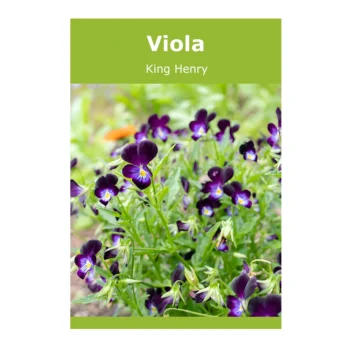
Viola Cornuta King Henry seeds produce petite violet to lavender blooms with a yellow eye.
Attracts pollinators. Edible flowers.
Prefers moist, well-drained soil, full sun to partial shade.
Sow indoors for winter/spring blooms. Requires darkness to germinate.
Packet 50 seeds
متوفر في المخزون
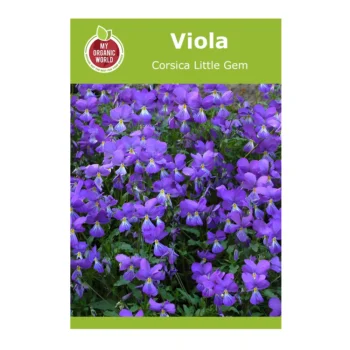
Viola Corsica Little Gem seeds. Perennial pansy with fragrant blue-purple flowers.
Great for rock gardens & containers, spreads to 12″.
Long bloom season, profuse fall/winter flowers.
Sow indoors now. Transplant outdoors in fall for winter blooms.
Repacked in Kuwait
Packet 25 seeds
متوفر في المخزون
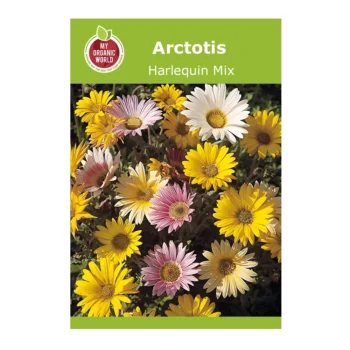
Arctotis Harlequin Mix seeds: vibrant mix of Gazania-like flowers in many colors on compact plants (10-15″). Long blooming, great for borders and containers.
فقط 1 متبقي في المخزون
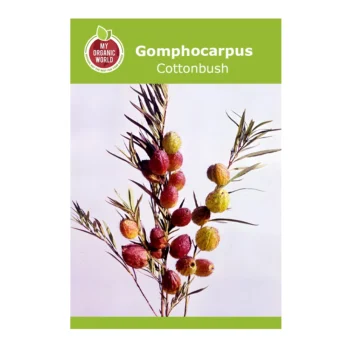
Grow Gomphocarpus fruticosus for unique green and maroon ornamental pods, excellent for cut flowers. Grows to 32 inches.
Packet 20 seeds.
فقط 2 متبقي في المخزون
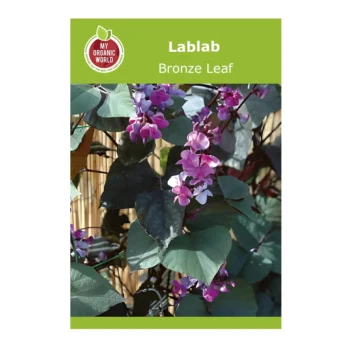
Dolichos (Lablab) Bronze Leaf seeds: bronze foliage, lilac flowers, purple pods. Excellent cut flower element, fast-growing vine.
5 seeds.
Repacked in Kuwait
متوفر في المخزون
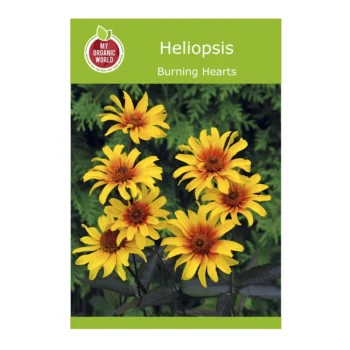
Heliopsis Burning Hearts seeds. Fiery yellow flowers with red centers, dark purple foliage.
Attracts pollinators & birds.
Drought tolerant. Full sun to light shade.
Repacked in Kuwait
Packet 10 seeds
فقط 1 متبقي في المخزون
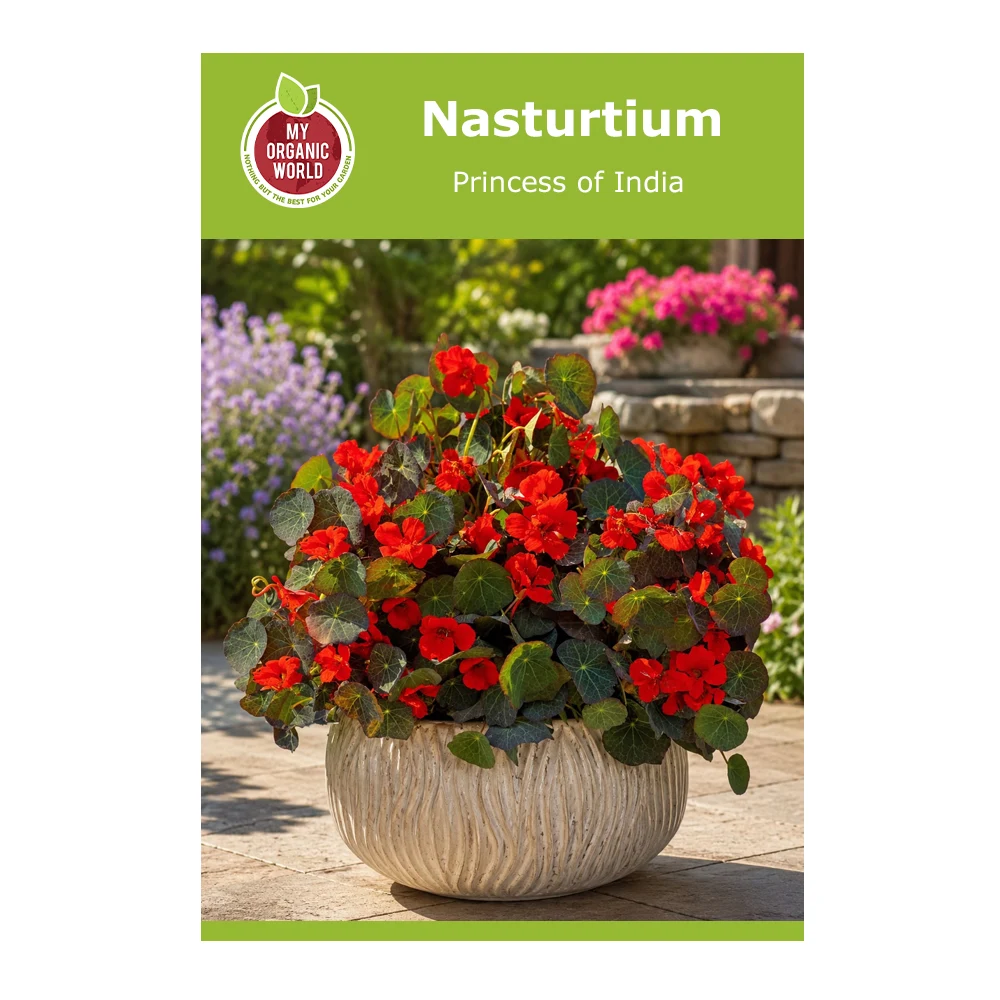
التقييمات
لا توجد تقييمات حتى الآن.