 English
 العربية
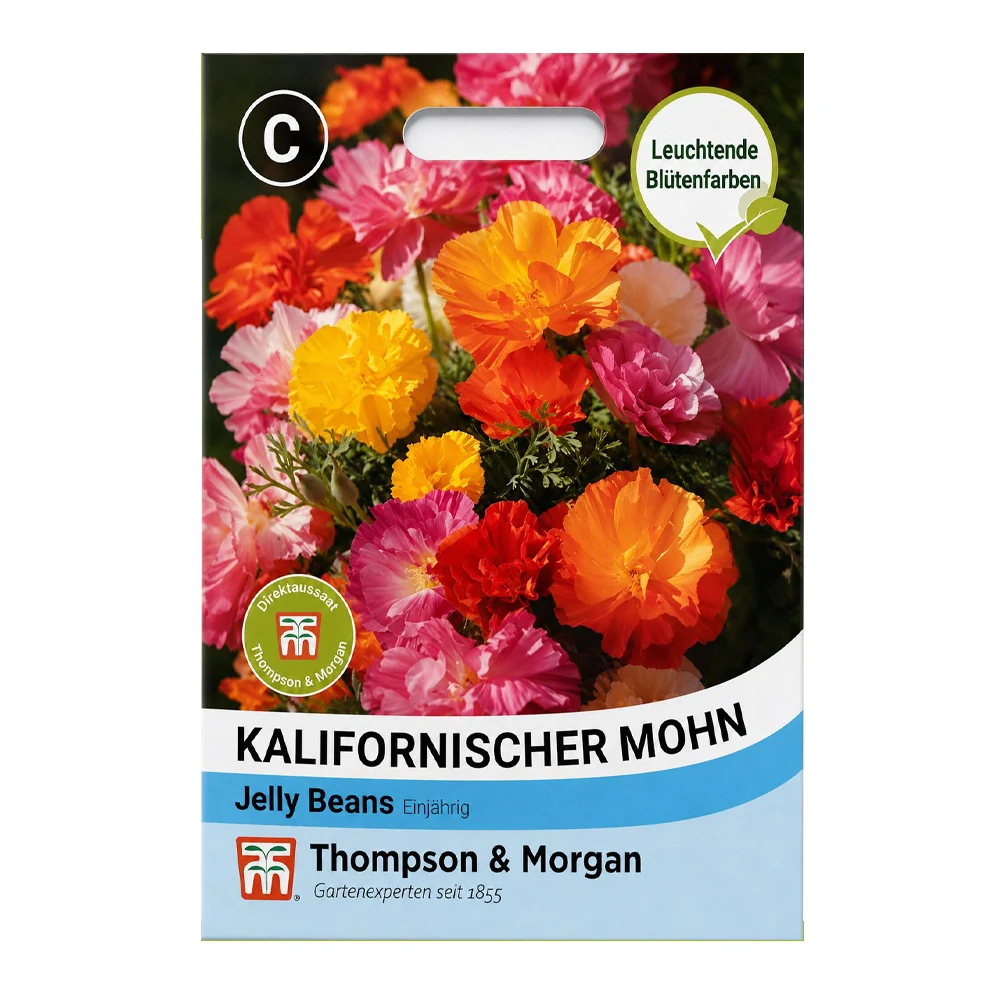
Californian Poppy Jelly Beans
1,950 KWD
California Poppy Jelly Beans seeds — a vivid multicolor mix of semi-double and double California poppy blooms in orange, salmon, rose, gold, and raspberry red against distinctive silver-blue feathery foliage. Official state flower of California. Hardy, drought-tolerant, self-sowing. Ideal for Gulf cool-season borders, rock gardens, and naturalistic drifts.
Out of stock
Californian Poppy Jelly Beans Seeds
Eschscholzia
Californian’Jelly Beans’ Seeds (Multicolor Double California Poppy Mix)
Eschscholzia Californian is one of the most celebrated wildflowers of the western United States — the official state flower of California, native to Mexico and the southwestern USA, named botanically in the early 19th century in honor of the naturalist Dr Johann Friedrich Eschscholtz. In its wild form it carpets the golden hills of California with a single-colored blaze of orange. The Jelly Beans selection takes this beloved species into an entirely different dimension — a mouth-watering mix of huge blooms in shades of orange, salmon, rose, and gold, with semi-double and double flower forms that are spectacular in combination and utterly distinct from the traditional single-petalled wildflower.
The flowers feature very large, semi-double blooms with splashes of bubblegum pink, lemon yellow, and raspberry red that contrast beautifully against the feathery foliage with its restrained, matte silver-blue color. This glaucous blue-grey foliage is one of the most distinctive features of the species and provides ornamental value throughout the season independent of flowering.
The finely divided, lacy leaves form a low basal rosette from which the flower stems rise, and the combination of jewel-colored blooms against silver-blue foliage is one of the most striking color contrasts available in cool-season gardening.
California poppies produce teardrop buds that open to silky, lustrous cups. The flowers close in the evening and when cloudy weather prevails — a charming natural behavior that has made the plant a subject of wonder for centuries. Native Americans and Spanish Californians used the seeds and leaves as a food source, the petals as a hair dressing and yellow dye, the pollen as a cosmetic, and tea prepared from the chopped plant as a remedy for headache, toothache, and insomnia.
Jelly Beans is an exceptionally easy and rewarding garden plant. It self-sows readily and often finds just the right spot to grow — along dry garden edges, rock gardens, and gravelly spots where little else thrives. Once established in a suitable site, a single planting can persist for years through self-seeding without any intervention. It is drought-tolerant once established and thrives in the kind of lean, fast-draining soil that defeats most other ornamentals — making it an ideal plant for Kuwait’s sandy, alkaline conditions.
Variety Details
- Botanical Name: Eschscholzia californica
- Variety: ‘Jelly Beans’
- Common Names: California poppy, Golden poppy, Cup of gold
- Origin: Native to western North America (California, Mexico)
- Status: Official state flower of California
- Flower Type: Semi-double and double mixed
- Seed Type: Open pollinated mix
- Plant Type: Hardy annual (short-lived perennial in suitable climates)
Key Features
- Multicolour double and semi-double mix: orange, salmon, rose, gold, bubblegum pink, lemon yellow, and raspberry red
- Distinctive silver-blue glaucous feathery foliage — ornamental independent of flowering
- Self-sowing once established — a single sowing can persist for years
- Exceptional drought tolerance once established
- Thrives in poor, sandy, well-drained soils — no fertilizer required
- Fast germination: 7–21 days
- Seeds require light to germinate — surface sow or cover only lightly
- Highly attractive to bees, hoverflies, and beneficial insects
- Flowers close at night and in cloudy weather — a characteristic natural behaviour
- Deer resistant
Plant Information
- Height: 25–30 cm
- Spread: 20–30 cm
- Plant Type: Hardy annual
- Habit: Low-growing, mounding, branching from the base
- Flower Size: 5–7 cm across
- Foliage: Finely divided, feathery, glaucous silver-blue
Germination Instructions
- California poppy seeds require light to germinate and must not be buried deeply.
- Surface sow by scattering seeds onto prepared, well-drained soil and pressing them lightly in, or cover with no more than 3 mm (⅛ inch) of fine soil. Seeds need light to germinate — do not bury deeply.
- Water gently after sowing to ensure good seed-to-soil contact, taking care not to wash the seeds away.
- Maintain light moisture until germination. Optimal soil temperature for germination is 15–20°C.
- Germination occurs within 7–21 days. Direct sowing into the final growing position is strongly preferred — California poppies develop a deep taproot early and resent transplanting. I
- f indoor sowing is necessary, use individual peat pots sown directly to avoid root disturbance at planting out.
- Final spacing: 20–25 cm between plants.
Growing Tips
- Grow California poppies in poor, well-drained soil in full sun.
- Rich soil and fertilizer produce lush foliage and poor flowering — this is a plant that actively performs better when the soil is lean and fast-draining. Water to establish, then only during prolonged dry spells, when an infrequent but deep watering encourages more blossoms.
- Avoid overhead watering as the silver foliage can show water marks and the plants perform best when moisture comes from below.
- Deadhead regularly to ensure a long flowering period, leaving a few of the last seed pods to ripen and self-sow for the following season.
- The long, narrow seed pods split explosively at maturity, flinging seeds several meters — a fascinating natural dispersal mechanism.
- In Kuwait’s sandy, well-draining garden soils, Jelly Beans will find conditions close to its native habitat requirements, making it one of the easier cool-season annuals to establish successfully.
Gulf Planting Season
- Direct sow outdoors: October to November
- Peak flowering season: December to March
- Note: Direct sowing is the only recommended method — do not attempt to transplant seedlings.
- Scatter seeds thinly onto prepared soil in October and press lightly in without covering deeply.
- In Kuwait’s climate, the cool night temperatures of October and November trigger excellent germination and the plants will flower continuously through the cool months.
- Allow a few seed pods to mature at the end of the season — Kuwait’s sandy soils closely resemble the natural habitat of this species, and self-seeding in subsequent years is likely in open, undisturbed beds.
Garden Uses
- Jelly Beans can be sown in large, stunning drifts for a naturalistic wildflower effect, or dotted about in borders and rocky gaps. It is particularly effective along dry garden edges, in gravel gardens, and in gravelly spots where little else thrives.
- The low, mounding habit makes it ideal for the front of borders and raised beds, for rock garden planting between stones, and for filling sandy gaps in informal or naturalistic garden designs.
- Plants can even behave as short-lived perennials if happily sited, and also make a great cut flower — cut in bud and the blooms will last several days in the vase.
- As a pollinator plant it attracts hoverflies, bees, and other beneficial insects in significant numbers, making it a valuable addition to any ecologically managed garden space.
Only logged in customers who have purchased this product may leave a review.
Related Products
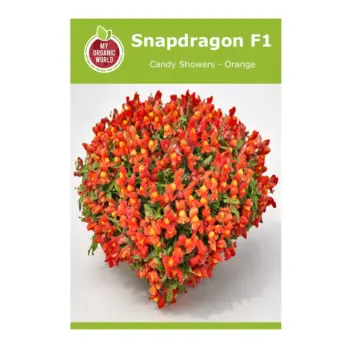
Candy Showers Orange snapdragon produces bright orange flowers on compact trailing plants about 15–25 cm tall. A colorful variety ideal for containers, hanging baskets, and garden borders.
Packet SizeL Contains 25 seeds.
Repacked in Kuwait
In stock
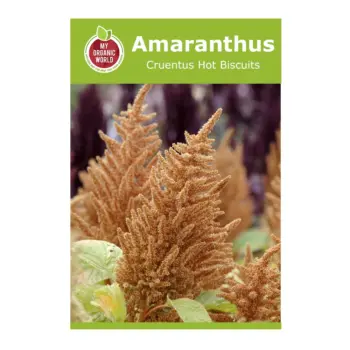
Amaranthus Cruentus Hot Biscuits produces tall plants with warm copper to cinnamon colored flower plumes. A striking ornamental plant ideal for borders, cutting gardens, and dried flower arrangements.
Repacked in Kuwait
Packet Size: Contains 250 seeds.
In stock
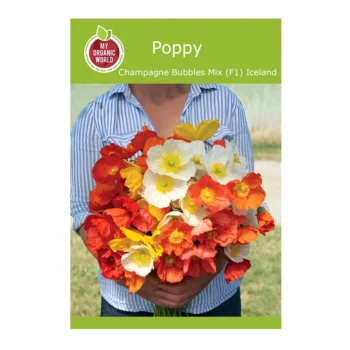
Champagne Bubbles Iceland Poppy seeds offer abundant crepe-paper-like blooms in orange, pink, red, white, and yellow.
Cheerful, citrus-colored flowers on 12-20″ sturdy stems.
Sow with very light cover.
Excellent for cut flowers; harvest when buds just show color.
Repacked in Kuwait
Packet 40 seeds
Only 1 left in stock
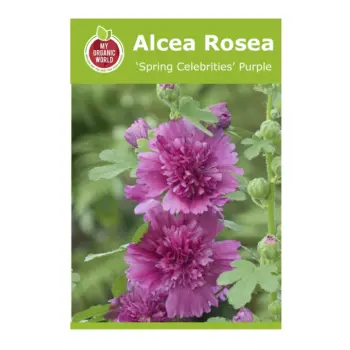
Alcea Rosea Spring Celebrities Purple (hollyhock) seeds a bold, compact hollyhock delivering large double to semi-double deep purple blooms with excellent basal branching from its first year. The richest colour tone in the Spring Celebrities series, outstanding for ornamental borders and container displays.
Repacked in Kuwait
Packet Size: Contains 10 seeds.
In stock
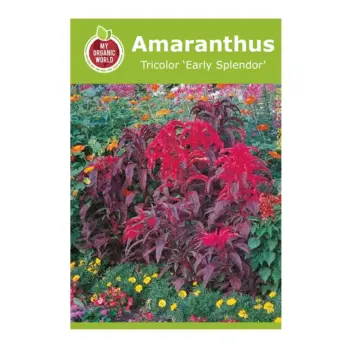
Amaranthus tricolor Early Splendor produces striking foliage in shades of deep red, burgundy, and green on upright plants about 60–90 cm tall. A colorful ornamental plant ideal for borders and landscape planting.
Repacked in Kuwait
Packet Size: Contains 100 seeds.
In stock
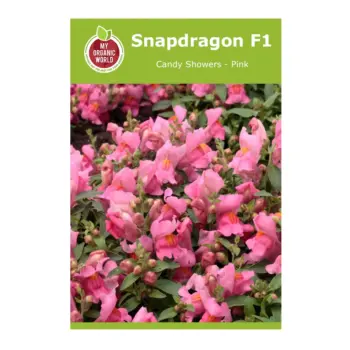
Candy Showers Pink snapdragon produces soft pink flowers on compact trailing plants about 15–25 cm tall. A colorful variety ideal for containers, hanging baskets, and garden borders.
Packet Size: Contains 25 seeds.
Repacked in Kuwait
In stock
Reviews
There are no reviews yet.