 English
 العربية
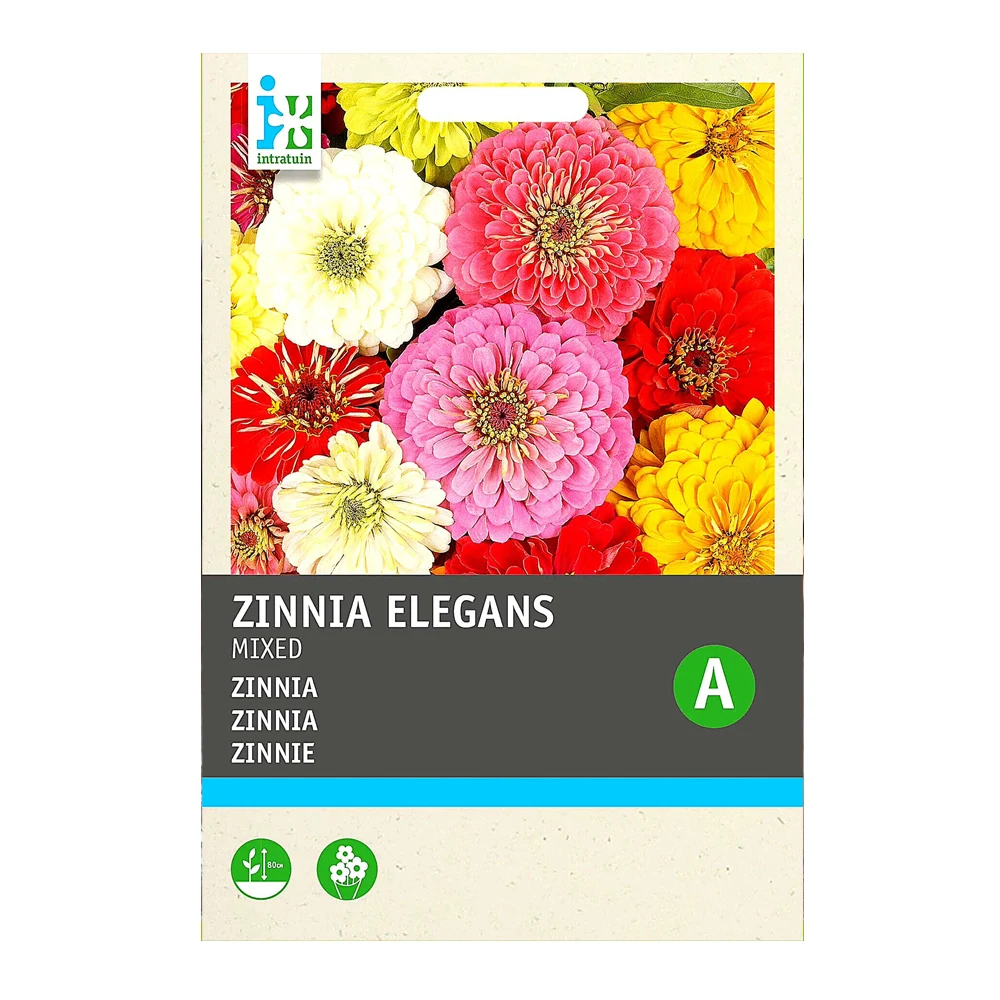
Zinnia elegans Mixed
1,950 KWD
Zinnia elegans Mixed is the world’s most popular warm-season annual cut flower — a sun-loving, heat-tolerant, fast-flowering powerhouse producing bold, fully double blooms in the complete color spectrum of red, orange, pink, purple, yellow, white, coral, and salmon on strong upright stems reaching 60 to 90 cm. From sowing to first flower in just 6 to 8 weeks, zinnias are among the easiest and most rewarding annuals from seed. The more they are cut, the more they bloom. Outstanding for butterflies, hummingbirds, and bees. Direct sowing is preferred over transplanting. Ideal for Kuwait’s warm growing season from September through May in cutting gardens, ornamental borders, and large containers.
Out of stock
Zinnia elegans Mixed Seeds
(Common Zinnia — Tall Mixed)
Zinnia elegans is native to Mexico and has been cultivated as an ornamental for centuries. When the Spanish first encountered it in its wild form, they called it “mal de ojos” — “sickness of the eye” — because the early wild forms were considered unattractive. Through centuries of selection and breeding, the zinnia transformed completely into one of the most beloved garden flowers in the world, and today Zinnia elegans mixed varieties represent the broadest, most colorful, and most productive annual cut flower available from seed.
Modern-day zinnia flowers are available in various colors, including red, pink, purple, yellow, orange, white, green, and multicolored mixes. The flower sizes range from small 1-inch blooms to 7 to 8 inches across on larger cultivars. They are an excellent choice for a cutting garden as zinnias have a long vase life of a week or more. Zinnias are also an excellent addition to a pollinator garden, attracting a wide variety of hummingbirds, butterflies, bees, insects, and other pollinating insects.
Fresh zinnias have a vase life of 7 to 10 days. Harvest when flowers are fully developed and when temperatures are cool — early morning after dew has evaporated, or in the evening. Zinnia stems benefit from floral preservatives. Place cut stems immediately in a fresh flower food solution with 1 percent sugar.
The Common Zinnia is a versatile plant that flowers in a wide range of colors including yellows, pinks, lavenders, reds, and greens. Because they attract monarch butterflies, bees, and hummingbirds, they help pollinate your garden. Zinnia elegans has lance-shaped, narrow leaves with a sandpaper-rough texture laid oppositely on the stem. Zinnias can grow up to 4 feet tall and include single and double blooms depending on the variety.
In the Gulf context, Zinnia elegans Mixed occupies a unique position as one of the very few ornamental annuals that delivers outstanding performance across both the cooler winter months and the warmer transitional seasons of autumn and spring. While zinnias prefer warm conditions and full sun, they are remarkably adaptable and productive under Kuwait’s growing season temperatures of 20 to 35 degrees Celsius — producing continuous harvests of cut flowers from October through May with proper successive sowings.
A Note on Zinnia elegans Mixed Formats
- Zinnia elegans Mixed is sold commercially under many named series at different heights and flower types. The most widely available formats include tall cutting types at 60 to 90 cm (Benary’s Giant Mix, State Fair Mix, California Giant Mix), medium mixed types at 45 to 60 cm, and compact dwarf types at 20 to 40 cm.
- This listing covers the standard tall mixed format at 60 to 90 cm, ideal for cutting and back-of-border use.
- The Benary’s Giant series features very large 5-inch double flowers on 36 to 42 inch tall plants with strong stems, developed for cut flower production with improved vase life, available in a wide range of colors including Bright Pink, Carmine, Coral,
- Deep Red, Golden Yellow, Lilac, Lime, Orange, Purple, Salmon Rose, Scarlet, and White.
Key Features
- World’s most popular annual cut flower.
- Full-color spectrum mix: red, orange, pink, purple, yellow, white, coral, and salmon. Fast-growing — flowers in 6 to 8 weeks from sowing.
- The more you cut, the more they bloom. Outstanding vase life of 7 to 10 days. Heat and drought tolerant. Irresistible to butterflies, hummingbirds, and bees.
- Non-toxic to humans, dogs, cats, and horses.
- Direct sowing preferred — roots dislike disturbance.
- Thrives in poor to moderately fertile, well-drained soil. Rich soil reduces flowering.
- Ideal for cutting gardens, ornamental borders, pollinator gardens, and large containers.
Plant Information
- Family: Asteraceae.
- Botanical name: Zinnia elegans.
- Common name: Common Zinnia, Youth-and-Old-Age.
- Type: Annual.
- Height: 60 to 90 cm (tall mixed).
- Spread: 30 to 45 cm.
- Flower: Single, semi-double, and fully double blooms 5 to 12 cm across in red, orange, pink, purple, yellow, white, coral, and salmon.
- Foliage: Bright green, lance-shaped, rough sandpaper texture.
- Fragrance: Very mild to none.
- Exposure: Full sun — minimum 6 hours direct sun daily.
- Water: Moderate — consistent moisture; allow soil surface to dry slightly between waterings.
- Soil: Well-drained, moderately fertile; poor to lean soil encourages more flowers over foliage.
- pH preference: 5.5 to 7.5.
- Vase life: 7 to 10 days.
- Toxicity: Non-toxic to humans, dogs, cats, and horses.
Seed Germination
- Germination occurs between 70 to 85 degrees Fahrenheit (21 to 29 degrees Celsius) and within 5 to 7 days. Sow indoors and cover lightly.
- Direct sowing is strongly preferred — zinnia roots dislike disturbance and transplanting can set plants back significantly.
- Sow seeds directly in the final garden position or container at a depth of 5 to 10 mm.
- Cover with a thin layer of fine soil.
- Water gently and keep consistently moist until germination.
- At 24 to 29 degrees Celsius, germination occurs in 5 to 10 days.
- For home gardeners who prefer indoor starting: sow in biodegradable pots that can be planted out whole — 4 to 5 weeks before transplanting date.
- Maintain 24 to 29 degrees Celsius.
- Transplant carefully without disturbing the root ball.
- Once seedlings reach 15 cm, pinch out growing tips to encourage a fuller, more branched habit.
Growing Tips
- To keep zinnias blooming, keep cutting them.
- Place cuttings in a vase when they first open.
- This is the single most important management rule for zinnias — continuous cutting redirects plant energy from seed production back into new flower bud development, dramatically extending the blooming season.
- Harvest when flowers are fully developed, leaving two to three leaf pairs on the stem.
- Harvest in cool temperatures — early morning after dew has evaporated or in the evening.
- Place cut stems immediately in a fresh flower food solution.
- Zinnia stems benefit from floral preservatives.
- Space plants 25 to 35 cm apart.
- Avoid overhead watering — wet foliage in warm conditions invites powdery mildew, the primary disease concern for zinnias.
- Water at the base.
- Powdery mildew can develop as a cosmetic issue in summer.
- Choose mildew-resistant varieties for late-season plantings.
- Do not over-fertilize with nitrogen — zinnia thrives in moderately lean conditions and excess nitrogen promotes leafy growth over flowers.
- Fertilize lightly with a balanced fertilizer every 3 to 4 weeks.
- Thin to the strongest seedling per position once germination is complete.
Gulf Planting Season
- Sow directly outdoors or start indoors in biodegradable pots: August through October and again February through March.
- Transplant or thin to final spacing: September through November and March through April.
- Expected flowering: October through May with successive sowings ensuring continuous harvest throughout Kuwait’s warm seasons.
- Zinnia elegans is one of the most heat-tolerant annuals available and thrives in Kuwait’s outdoor conditions from September through May.
- Plants will slow in the extreme heat of June through August but do not necessarily die in partial shade.
- Successive sowings every 3 to 4 weeks extend the cutting season significantly.
Garden and Floral Uses
- Zinnias mix well with other summer-blooming annuals.
- Consider partnering them with plants such as marigolds, cosmos, petunias, or snapdragons for a stunning, season-long display of color.
- Zinnias are a perfect choice for a cutting garden as they produce long-lasting, colorful blooms that look stunning in vases.
- The more you cut, the more they bloom.
- Dwarf zinnia varieties are excellent for container gardening, adding a splash of color to patios and balconies.
- Zinnias are beloved by butterflies — include them in a butterfly or pollinator garden along with other butterfly favorites.
- In the Gulf garden, Zinnia elegans Mixed is one of the highest-value plants available per square meter — combining extraordinary color range, cut flower quality, ease of cultivation, heat tolerance, and pollinator value in a single species.
- Mass plantings in cutting garden rows deliver armfuls of mixed-color stems from October through May.
- Combined with cosmos, dahlias, and marigolds, zinnias anchor the warm-season cutting garden with continuous production.
- In ornamental borders they deliver bold blocks of color that intensify through the season, and the multi-color mix ensures a diverse, ever-changing palette that transforms from week to week.
Only logged in customers who have purchased this product may leave a review.
Related Products
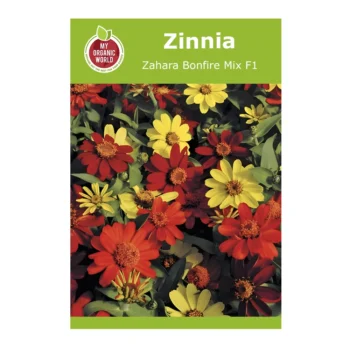
Ignite your garden with Zinnia Zahara Bonfire Mix F1! This vibrant blend of Scarlet, Fire, and Yellow 2″ blooms on mounding, long-blooming plants (10″ tall) is a showstopper.
Excellent disease resistance. Contains 20 F1 hybrid seeds.
Repacked in Kuwait
In stock
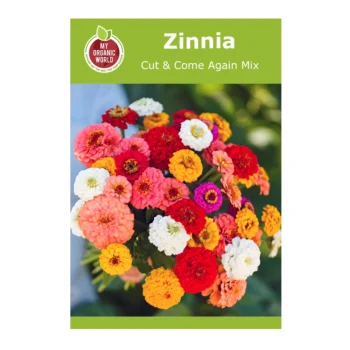
Zinnia Cut & Come Again Mix: The ultimate heirloom zinnia for cut flowers! The more you cut, the more it blooms, filling your garden and home with bright, 3″ double blooms in a mix of colors all summer and fall.
Easy to grow annual, attracts pollinators. Prefers full sun. Grows to about 24-27 inches tall.
Packet of 50 seeds.
Repacked in Kuwait
In stock
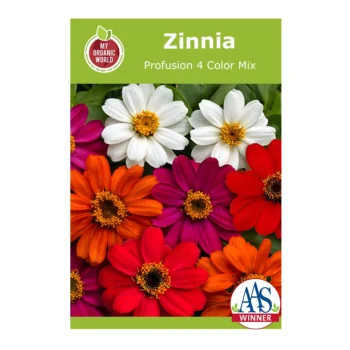
Experience the award-winning Zinnia Profusion AAS 4 Color Mix!
This adaptable blend features All-America Selection winners Orange, Cherry, Red, and White, producing masses of 2″ daisy-like blooms on bushy, disease-resistant plants (14-18″ high, 20-24″ wide).
Perfect for beds, containers, and attracting butterflies. Easy to grow, heat & drought tolerant.
Contains 20 seeds.
Repacked in Kuwait
Only 2 left in stock
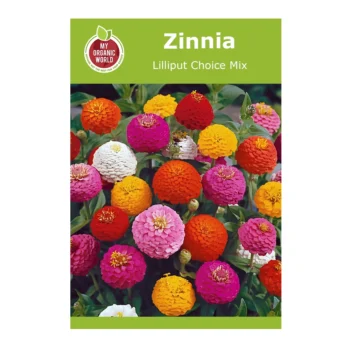
Zinnia Lilliput Choice Mix: Charming, petite pom-pom blooms in a variety of bright colors. Perfect for cut flowers, borders, and containers.
Easy to grow annual, reaching 16-20 inches. Attracts pollinators.
Repacked in Kuwait
In stock
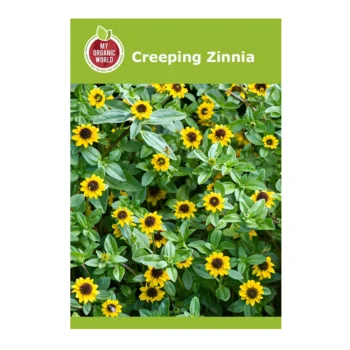
Sanvitalia Creeping Zinnia seeds. Cheerful, golden-yellow, daisy-like flowers with black centers.
Low-growing, spreading habit.
Great for continuous color in gardens & containers. Drought tolerant.
Needs light to germinate. Do not cover.
Repacked in Kuwait
Packet 50 Seeds
In stock
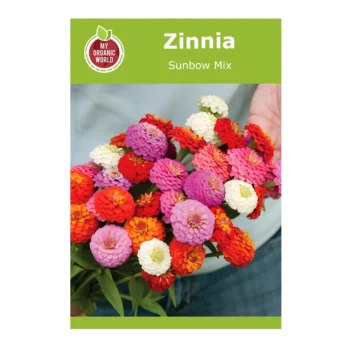
Zinnia Sunbow Mix: Produces abundant bright 1-2″ fully double blooms in rose, purple, golden yellow, scarlet, orange, pink, and white.
Long, wiry stems ideal for bouquets. Cut-and-come-again for continuous harvest. Easy to grow in full sun.
Packet of 25 seeds.
Repacked in Kuwait
In stock
Reviews
There are no reviews yet.