 English
 العربية
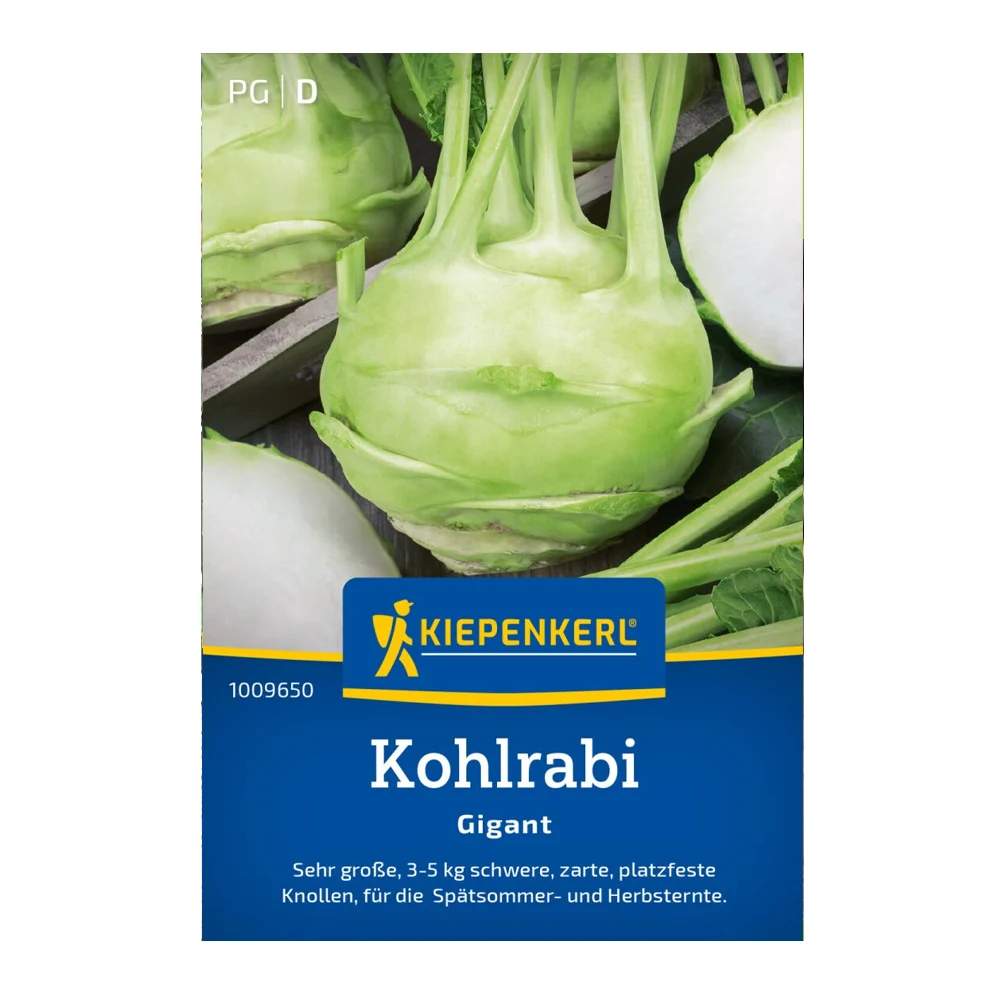
Kohlrabi Gigant
1,750 KWD
Kohlrabi Gigant is an impressive late kohlrabi variety offering root swellings with a weight of up to 3–5 kg. It features white, exceptionally tasty flesh that does not tend to become woody, making it an excellent choice for direct consumption as well as long-term storage and freezing. These gargantuan stems are covered with smooth, pale green peel that shelters whitish, delicious, juicy and firm flesh. Gigant is one of the largest-growing kohlrabi varieties available, combining genuine giant size with a texture that remains tender rather than fibrous — a combination that smaller, faster-maturing kohlrabi varieties cannot offer.
In stock
Kohlrabi Gigant Seeds
(Brassica oleracea var. gongylodes — Kiepenkerl )
Kohlrabi Gigant is a Brassica oleracea var. gongylodes variety bred specifically for maximum bulb size while retaining tender, non-fibrous flesh — a combination that distinguishes it from the many kohlrabi varieties bred primarily for fast maturity and compact size. This is a late-ripening variety, with the period from transplanting seedlings to full maturity taking 70–75 days, and from germination to harvest approximately 130–150 days. This extended growing period is the trade-off for the variety’s exceptional final size, as the bulb requires sustained time and nutrient input to develop to its full 3–5 kg potential.
Thanks to careful breeding and seed quality, Gigant’s seeds are not only durable but also resistant to diseases, ensuring healthy plant growth. Even though most kohlrabi varieties are highly resistant to stem splitting, regular watering and pest management can virtually eliminate this problem entirely. Split resistance is a particularly valuable characteristic in a giant variety such as Giant, as larger bulbs under inconsistent moisture conditions are generally more prone to cracking than smaller, faster-maturing types.
The flesh quality of Gigant is its defining culinary advantage among giant kohlrabi varieties — many large kohlrabi types develop a woody, pithy, or pulpy texture as the bulb expands, but Gigant’s breeding specifically targets retention of tender, juicy flesh even at its full mature size. Kohlrabi is a very healthy vegetable, containing a high amount of vitamin C — 100 mg per 100 g of dry matter, equal to the amount found in citrus fruit — along with vitamins A and E and large amounts of calcium and iron. A rare compound called “vitamin U” has been discovered in kohlrabi juice, which plays a role in healing stomach and duodenum ulcers.
Kohlrabi leaves, eaten in some countries, contain even more vitamin C than the stem itself. This makes the entire Gigant plant — both the Gigant bulb and its leaves — a nutritionally valuable and versatile harvest from a single sowing.
Variety Details
- Botanical Name: Brassica oleracea var. gongylodes
- Variety: Gigant
- Producer: Kiepenkerl
- Seed Type: kohlrabi
- Plant Type: Biennial grown as annual — late-maturing
- Family: Brassicaceae
- Habit: Upright leaves with single enlarged swollen stem (bulb) at base
- Bulb Size: 3–5 kg — exceptionally large
- Bulb Form: Rounded, smooth, pale green-white skin
- Flesh: White, tender, juicy, firm — resists becoming woody or pithy
- Split Resistance: Confirmed — particularly important given the variety’s large final size
- Disease Resistance: Confirmed general disease resistance
- Days to Maturity: 70–75 days from transplanting (130–150 days from germination)
- Harvest Season: Late summer and autumn
- Storage: Excellent — suitable for long-term storage and freezing without quality loss
- Plant Spacing: 30 × 30 cm
- Position: Sunny
- Edible: Bulb and leaves — leaves contain even more vitamin C than the bulb
- Germination: 5–10 days at 18–25°C
Key Features
- Kiepenkerl— late-maturing giant kohlrabi variety
- Exceptional bulb size — 3–5 kg, among the largest kohlrabi varieties available
- Tender, non-woody flesh — retains quality even at maximum size, unlike most giant varieties
- Split-resistant — important advantage given the bulb’s large final size
- Disease resistant — confirmed for healthy, reliable plant growth
- Excellent storage and freezing quality — flesh does not deteriorate in cold storage
- High nutritional value — vitamin C content equal to citrus fruit, plus vitamins A and E, calcium, and iron
- Contains rare “vitamin U” compound — traditionally associated with digestive health benefits
- Edible leaves — higher vitamin C content than the bulb itself
- Suitable for fresh eating, soups, stews, and salads
- Smooth pale green-white skin — attractive uniform appearance
- Late variety suited to summer sowing for autumn harvest
- Best results from direct sowing for this late, giant type — unlike early kohlrabi varieties typically started as transplants
Plant Information
- Plant Type: Biennial grown as annual — late-maturing
Habit: Upright leaf rosette with single swollen stem bulb at base
Bulb Size: 3–5 kg
Bulb Form: Rounded, smooth — pale green-white skin
Flesh: White, tender, juicy, firm
Split Resistance: Confirmed
Edible: Bulb and leaves
Germination Instructions
- Gigant kohlrabi is grown for summer and autumn harvest. Seeds can be sown under cover or onto a seed bed, with seedlings transplanted to the permanent site afterward.
- Late varieties like Gigant can be sown directly in the field, unlike early varieties which are typically grown as seedlings in trays or containers first.
- Sow seeds 1–1.5 cm deep in light, moist, well-drained soil at a temperature of 18–25°C. Germination occurs within 5–10 days.
- If sowing direct, thin seedlings to the final spacing of 30 × 30 cm once they are large enough to handle — Gigant requires considerably more space per plant than standard or early kohlrabi varieties due to its giant mature bulb size.
- If pre-growing transplants, sow indoors 4–5 weeks before the planned transplant date, then move seedlings to their final spacing once established.
- In Kuwait, sow directly outdoors or transplant from late August through September to allow the full 130–150-day cycle to reach maturity within the cooler months of the growing season, with harvest expected from December through February.
Growing Tips
- Kohlrabi grows best in sunny locations with well-drained, fertile soil.
- It is important for the soil to remain consistently moist but not waterlogged.
- Regular watering and the use of organic fertilizers support plant growth and development, ensuring abundant harvests.
- Kohlrabi requires well-cultivated, deep, fertile soil and regular watering, especially in hot weather while the bulbs are growing.
- Given Gigant’s exceptional target size of 3–5 kg, consistent and generous feeding throughout the growing season is essential — incorporate substantial compost before planting and continue regular liquid feeding as the bulb develops.
- During cultivation, focus on regular watering, especially during dry periods.
- Kohlrabi is resistant to many diseases, making it easy to care for and suitable even for novice gardeners.
- Even though most varieties are highly resistant to stem splitting, regular watering and pest management can virtually eliminate this problem. Sudden fluctuations between dry and wet soil conditions are the primary cause of splitting in large kohlrabi varieties, so maintaining even, consistent soil moisture throughout the bulb’s development is the single most important management practice for achieving a sound, undamaged giant bulb.
- Kohlrabi leaves contain even more vitamin C than the stem and can be harvested alongside the bulb for additional nutritional and culinary value.
Gulf Planting Season
- Sow indoors or direct sow outdoors: Late August to September
Transplant (if started indoors): Mid-to-late September
Harvest: December through February (130–150 days from sowing)
Storage: Excellent — store in cool, moist conditions for long-term keeping, or freeze for extended storage
Note: As a late, giant-maturing variety requiring 130–150 days from germination to harvest, Gigant needs Kuwait’s full cool-season growing window to develop its exceptional 3–5 kg bulb size without summer heat stress disrupting growth. - Sowing in late August to September — whether direct or as transplants — allows the plant to establish during the still-warm late summer transition, develop its substantial leaf canopy through the moderate autumn weather of October and November, and complete the critical bulb-bulking phase during the cooler, more stable conditions of December and January.
- This timing positions harvest for December through February, well within Kuwait’s coolest and most stable growing period, which supports both even bulb development and reduced splitting risk from temperature-related moisture fluctuation.
- Given the considerable spacing requirement of 30 × 30 cm or more per plant and the variety’s giant target size, Gigant is best suited to a dedicated open-ground vegetable bed rather than container cultivation.
- Consistent watering throughout the growing season, particularly during the bulb-bulking phase from November onward, is essential to prevent splitting and achieve the tender, non-woody flesh quality that distinguishes this variety.
Companion Planting
- Kohlrabi shares the companion planting characteristics common to Brassica oleracea varieties.
- It benefits from proximity to aromatic herbs such as dill and chamomile, which can help deter certain brassica pests, while beets, onions, and lettuce are traditional compatible neighbors that do not compete heavily for the same soil resources.
- Avoid planting kohlrabi near other Brassicaceae family members in succession without crop rotation, as they share susceptibility to common soil-borne diseases such as clubroot and black rot.
- Given Gigant ‘s considerable mature size and the generous spacing it requires, planning companion plantings around its eventual footprint is important from the outset.
Garden & Culinary Uses
- Gigant is suited to open ground vegetable beds with generous spacing to accommodate its giant mature bulb size.
- Gigant is excellent in the kitchen — it can be used for salads, soups, or stewed dishes. Its delicate and tasty flesh makes it a popular choice for direct consumption.
- It is intended for direct consumption raw or cooked in soups, or for freezing, since it does not lose any of its value at low temperatures.
- The exceptional size of a single Gigant bulb — up to 3–5 kg — means one harvested vegetable can supply a household with multiple meals’ worth of kohlrabi, whether eaten raw in salads and slaws for its crisp, mild flavor, roasted or sautéed as a savory side dish, or incorporated into soups and stews where its texture holds up well to longer cooking times.
- A very rare compound called “vitamin U” found in kohlrabi juice plays a major role in healing stomach and duodenum ulcers and in cancer prophylaxis, and the leaves — which can be eaten in the same way as kale — contain even more vitamin C than the stem itself.
- The leaves can be lightly sautéed or added to soups as a nutritious leafy green, making productive use of the entire harvested plant.
- Due to its resistance to becoming woody, Gigant is particularly well-suited for long-term storage and freezing, allowing the flavor to be enjoyed year-round.
Only logged in customers who have purchased this product may leave a review.
Related Products
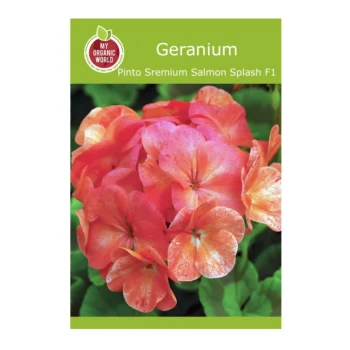
Geranium Pinto Premium Salmon Splash F1 seeds. Improved Pinto series with uniform habit, earlier salmon blooms.
Shorter stems, Improved Shelf Life.
Great outdoor performance.
Germinate 5-12 days.
Repacked in Kuwait
Packet 5 seeds
In stock
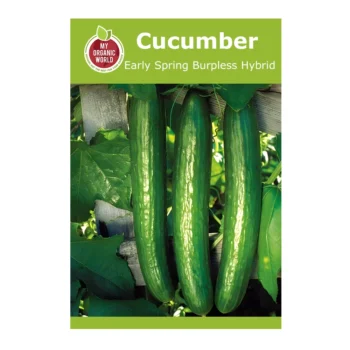
Grow Early Spring Burpless Hybrid Cucumber seeds.
Long (12-15″), creamy spine, pure white flesh, very crisp & bitter-free.
Early (52 days), adaptable.
Get Early Spring Burpless Hybrid Cucumber seeds now.
Repacked in Kuwait
Packet 10 seeds
In stock
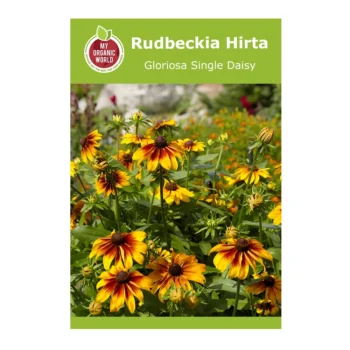
Rudbeckia Hirta Gloriosa Single Daisy seeds produce large, yellow daisy-like flowers with colorful centers on adaptable plants.
Annual to short-lived perennial, blooming midsummer to early fall.
Easy to grow in full sun, tolerates poor soil, heat, and drought. Great for cutting.
Repacked in Kuwait
Packet 50 seeds
In stock
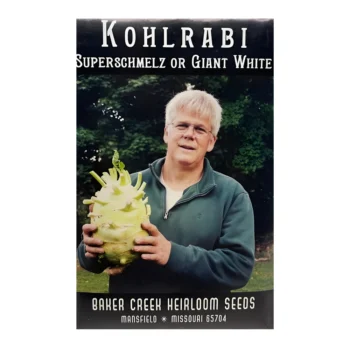
Kohlrabi Superschmelz, or Giant White, is a German heirloom producing massive light green bulbs up to 10 inches across and 10 pounds!
Despite its size, the flesh remains remarkably tender and buttery. Requires rich soil and ample space. Matures in 60-70 days.
A truly gigantic and delicious kohlrabi.
In stock
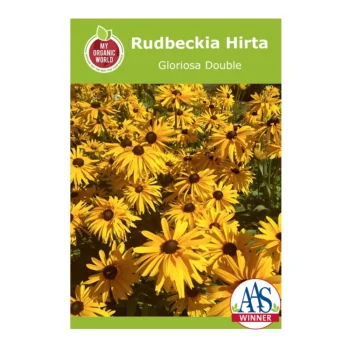
Rudbeckia Hirta Gloriosa Double seeds produce huge, double golden blooms on a low-maintenance perennial.
long-lasting summer and fall blooms.
Easy to grow in full sun, attracts pollinators, drought, and cold tolerant.
AAS Flower Winner.
Repacked in Kuwait
Packet 25 seeds
Only 2 left in stock
Reviews
There are no reviews yet.