 English
 العربية
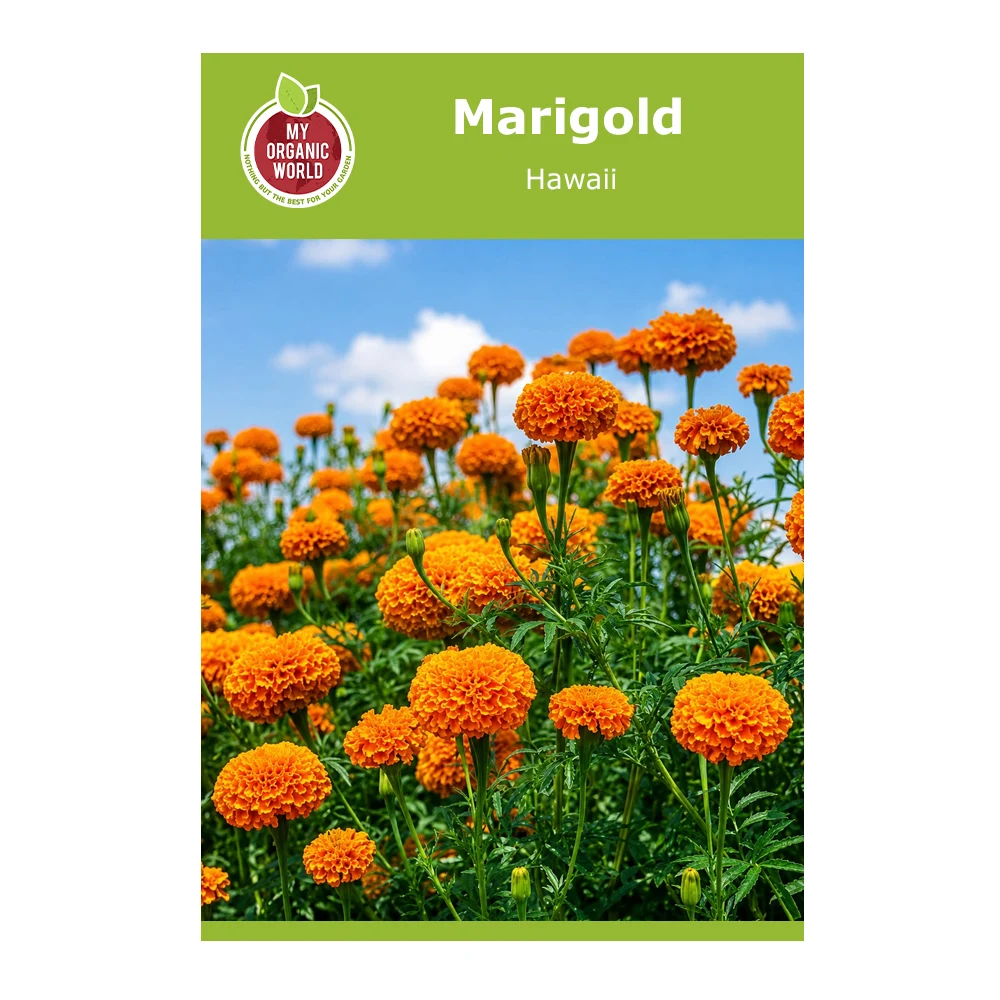
Marigold Hawaii
1,750 KWD
Marigold Hawaii extra tall stems with large, deep orange blooms — Hawaii may have an exotic name, but they are native to the Americas and are remarkably easy to grow. This beautiful and low maintenance garden flower blooms profusely. Hawaii is a popular cut flower as it has almost no smell and is good for allergic people. Its compact bushy growth makes it ideal for edging and the bright colors are eye-catching in any garden. One of the most versatile plants in this catalogue — simultaneously a spectacular ornamental border plant, a productive cut flower, an effective companion plant for vegetables, an edible garnish, and a natural dye source.
Repacked in Kuwait
Packet Size: Contains 50 seeds.
In stock
Marigold Hawaii Seeds
(Tagetes erecta – African Marigold — Heirloom Open Pollinated — Tall Cut Flower Variety)
Marigold Hawaii ablaze with color, the scintillating orange flowers of marigold Hawaii stand out in summer and fall gardens. The intensely aromatic flowers and foliage have insect-repelling qualities, and the petals are used as a natural food coloring. Popular the world over, it is central to Hindu and Mexican Day of the Dead religious ceremonies.
Tagetes erecta — the African marigold — is one of the great contradictions of botanical nomenclature: named African, it is entirely American. Marigolds are the richest and longest flowering summer plants — Hawaii is a popular cut flower with almost no smell, good for allergic people. The species was domesticated in Mexico and Central America long before European contact, where it played a central role in Aztec religious ceremonies and was subsequently spread worldwide by Spanish traders in the 16th century. Marigolds are a common cultural symbol in Mexico and are often included in Dia de los Muertos celebrations in the fall when these blooms are at their peak.
The ‘Hawaii’ cultivar is a tall heirloom African marigold selection — Tagetes erecta Hawaii has huge orange giant flowers on stems up to 75 cm high. The bright orange color of the double flowers stands out very well. This tall African marigold Hawaii flowers very richly and for a long time. The fully double flower heads are densely packed with orange petals — each individual flower head resembling a large pompom or carnation, with no visible center disc. African Marigold Hawaii is an heirloom cultivar with large, fluffy orange flowers — the flowers are used for natural dyes in food and fabrics and are recommended for beds, borders, and the cutting garden.
Hawaii marigolds are especially useful when planted near tomatoes, peppers, squash, beans, roses, and other ornamentals — their natural aromatic compounds help deter pests. The companion planting value of Tagetes erecta is one of the most extensively documented in horticulture — the root secretions of African marigold deter nematodes in the soil, while the aromatic foliage deters aphids, whitefly, and other soft-bodied insects from neighboring plants. For Kuwait’s cool-season vegetable garden alongside tomatoes and peppers, Hawaii marigold provides genuine biological pest management alongside its ornamental and cut flower value.
Variety Details
- Botanical Name: Tagetes erecta
- Variety: ‘Hawaii‘
- Common Names: African Marigold, Aztec Marigold, Mexican Marigold, Big Marigold
- Type: Tall heirloom African marigold — cut flower and border variety
- Origin of species: Mexico and Central America — domesticated by Aztec civilization
- Seed Type: Open pollinated heirloom
- Plant Type: Half-hardy annual
- Family: Asteraceae
- Fragrance: Minimal — almost scentless compared to standard Tagetes — suitable for sensitive individuals
Key Features
- Classic heirloom tall African marigold — large, extra-fluffy double orange flowers up to 10 cm across
- Tall strong stems 60–75 cm — excellent cut flower and back-of-border statement plant
- Almost scentless — rare in the marigold family, ideal for sensitive individuals and event floristry
- Edible petals — used as natural orange food dye in cuisine, baked goods, and fabrics worldwide
- Outstanding companion planting value — root secretions deter soil nematodes; aromatic foliage deters aphids and whitefly
- Exceptional heat tolerance — blooms through temperatures that defeat most cool-season ornamentals
- Outstanding pollinator value — bees, butterflies, and hummingbirds
- Deer and rabbit resistant
- Fast germination: 4–14 days at 20–25°C
- Prolific and long-flowering — continuous display for months with regular deadheading
- Low maintenance — tolerates poor and dry soils
Plant Information
- Height: 60–75 cm
- Spread: 30 cm
- Plant Type: Half-hardy annual
- Habit: Upright, bushy, well-branched
- Flower Head Size: Up to 10 cm across
- Flower Form: Fully double — densely packed pompom, no visible center disc
- Flower Color: Deep vivid orange
- Fragrance: Minimal — almost scentless
- Foliage: Dark green, pinnately divided, mildly aromatic
Germination Instructions
- Sow in trays, pots, or seed compost in a propagator or warm place to maintain an optimum temperature of 15–20°C. Germination usually takes 5–10 days.
- Once seedlings are large enough to handle, transplant into individual pots.
- Acclimatize and plant out in a warm sunny position at 30 cm spacing.
- Sow seeds thinly and just cover — sowing depth approximately 3 mm.
- Keep at 18–21°C (65–75°F). Germination takes 4–14 days.
- Pinch out the growing tip of young plants at 15–20 cm to encourage strong branching and maximum flower head production.
- Direct sowing outdoors is equally effective — sow where plants are to grow at 3 mm depth once soil temperature is consistently above 18°C.
- For Kuwait: direct sow outdoors in October for a cool-season display from November onward. Alternatively, start indoors in September for October transplanting.
- Unlike many cool-season ornamentals in this catalogue, Hawaii marigold does not require cool germination conditions or refrigerator treatment — it germinates best in warmth and Kuwait’s October soil temperatures are ideal for direct sowing.
Growing Tips
- Grow in full sun in well-drained soil. Water regularly until established then reduce — marigolds are drought tolerant once established.
- Deadhead spent blooms to encourage continuous flowering and maximum bloom size.
- Remove faded flowers regularly to prolong the flowering period.
- Grows well in rich and porous soil.
- Unlike most other flowers, African marigolds perform well in moderately poor soil — excess nitrogen produces lush green plants with fewer flowers.
- Feed lightly at planting and once again at first bud formation.
- Water at soil level rather than overhead to prevent botrytis on the dense double flower heads.
- For cut flower harvest, cut when the flower head is approximately 75% open — fully open marigold heads shatter quickly once cut. Place stems immediately into cool clean water and recut under water for maximum vase life.
Gulf Planting Season
- Direct sowing outdoors: October to November
- Indoor sowing for earlier display: September, transplant October
- Peak flowering season: November to March
- Extended season: continues actively into April and May — exceptional heat tolerance
- Note: Marigold Hawaii is one of the most heat-tolerant ornamentals in this catalogue and will continue performing long after most cool-season annuals have finished.
- Unlike the temperature-sensitive pansies, begonias, and lisianthus in this catalogue, Hawaii marigold thrives in warmth and will actually flower more abundantly as temperatures rise from February through April — making it a particularly valuable transitional season plant that bridges Kuwait’s cool season and early summer.
- Plant alongside vegetables in October for a season-long companion planting scheme that protects the vegetable garden from nematodes and insects while providing cut flowers throughout the cool and transitional seasons.
Garden & Culinary Uses
- African Marigold Hawaii is recommended for beds and borders, the cutting garden, and is useful for control of insect pests in the vegetable garden.
- The flowers are used for natural dyes in food and fabrics.
- As a border plant, the 60–75 cm upright habit positions Hawaii naturally at the back of a border or raised bed where its height provides architectural presence and the bold orange flower heads create a warm, vivid color anchor against which softer companion plants can be arranged.
- As a cut flower, the almost scentless character is a significant advantage — Hawaii is a popular cut flower precisely because it has almost no smell, making it good for allergic people and suitable for use in enclosed spaces and food-adjacent event settings.
Culinarily, the orange petals of Tagetes erecta are one of the most established natural food dyes in global cuisine — used to color butter, cheese, pasta, baked goods, and poultry feed, and to add color to teas, rice dishes, and garnishes. T - he petals are mildly flavored with a slightly bitter, tangy quality and can be used fresh as a garnish on salads, cold mezze platters, and desserts.
- In Gulf cooking, scattered dried marigold petals add color to rice dishes in a manner similar to saffron — a practical culinary application particularly relevant to the Kuwaiti kitchen.
Only logged in customers who have purchased this product may leave a review.
Related Products
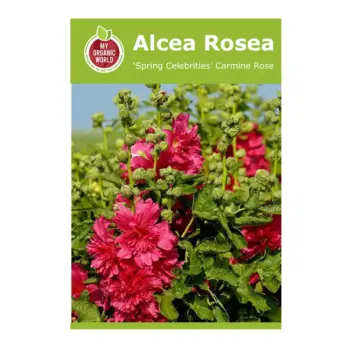
Spring Celebrities Carmine Rose hollyhock seeds, a striking dwarf hollyhock producing large, ruffled double blooms in brilliant carmine-rose shades from its first year. Compact habit makes it ideal for containers, small gardens, and raised bed plantings throughout the Gulf cool season.
Repacked in Kuwait
Packet Size: Contains 10 seeds.
In stock
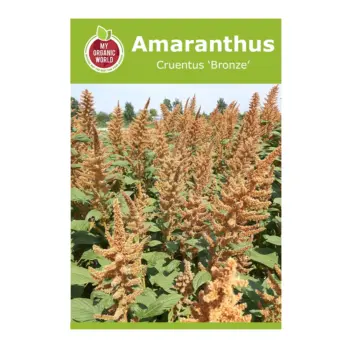
Amaranthus Cruentus Bronze a tall, architectural upright amaranth producing dense, richly colored plumes ranging from intense bronze to deep chestnut-brown over bold dark green foliage. Pure in color without green or pistachio undertones, making it the most dramatic single-tone amaranth for cut flower work, dried arrangements, and back-of-border impact.
Repacked in Kuwait
Packet Size: Contains 250 seeds.
In stock
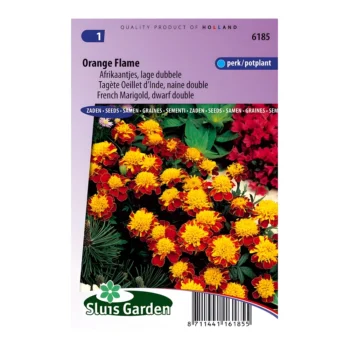
Tagetes Patula Nana ‘Orange Flame’ seeds produce compact marigolds with bold orange and brown double flowers. Great for borders, pots, and containers.
Only 2 left in stock
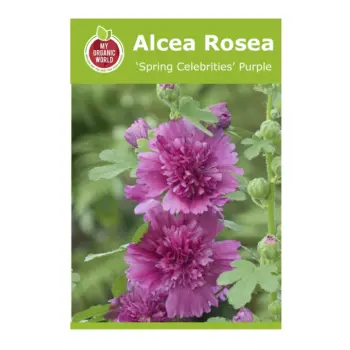
Alcea Rosea Spring Celebrities Purple (hollyhock) seeds a bold, compact hollyhock delivering large double to semi-double deep purple blooms with excellent basal branching from its first year. The richest colour tone in the Spring Celebrities series, outstanding for ornamental borders and container displays.
Repacked in Kuwait
Packet Size: Contains 10 seeds.
In stock
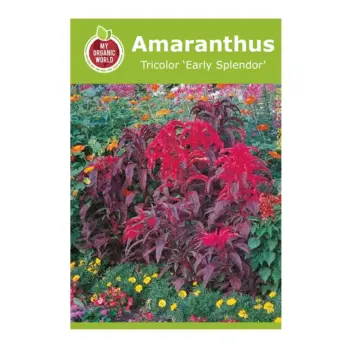
Amaranthus tricolor Early Splendor produces striking foliage in shades of deep red, burgundy, and green on upright plants about 60–90 cm tall. A colorful ornamental plant ideal for borders and landscape planting.
Repacked in Kuwait
Packet Size: Contains 100 seeds.
In stock
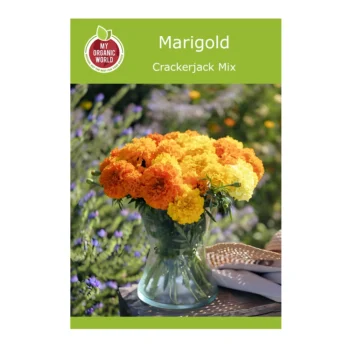
Grow the tallest marigolds with Crackerjack Mix Marigold seeds.
This blend of large, full yellow and orange blooms on sturdy stems is perfect for cut flowers.
Attracts pollinators. Blooming late in the season, low-maintenance.
Repacked in Kuwait
Packet 25 seeds
In stock
Reviews
There are no reviews yet.