 English
 العربية
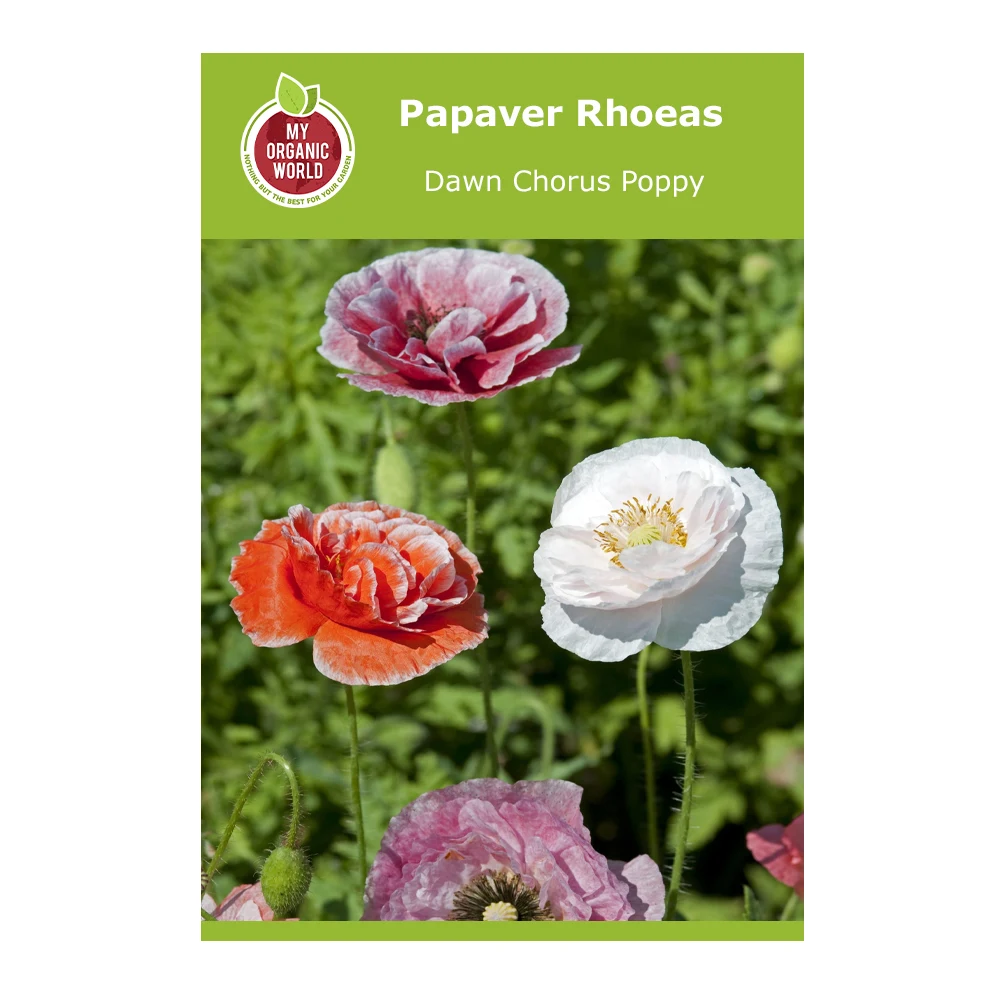
Papaver Rhoeas Dawn Chorus
1,000 KWD
Papaver rhoeas Dawn Chorus is a captivating selection of double and semi-double corn poppies in an extraordinary palette of soft, unusual shades — grey-blue, lavender, vanilla, apple-blossom, apricot, coral, soft pink, speckled whites, and delicate picotee combinations. Compact at 40 cm, Dawn Chorus is a double-flowered development from the Angel Wings strain, bringing the romantic silky-petalled charm of field poppies into a refined pastel color range that suits cottage gardens, cut flower borders, and mixed annual displays in the Gulf cool season.
Packet Size: Contains 200 seeds.
Repacked in Kuwait
Out of stock
Papaver rhoeas Dawn Chorus Seeds
(Double Corn Poppy — Pastel and Bicolour Mix)
Papaver rhoeas, the corn poppy or Flanders poppy, is one of the most universally recognized wildflowers in the world — the simple red field poppy of European meadows and roadsides. Dawn Chorus is a refined garden selection that takes the species in an entirely different direction: a double and semi-double development from the Angel Wings strain, producing mostly pastel shades and picotee color combinations rather than the bold single reds of the wild type.
Dawn Chorus produces an abundance of flowers in a variety of strange, unusual yet attractive shades including grey, blue-greys, lavender, bicolors, speckled whites, and more — a color palette that is genuinely distinctive and unlike that of almost any other annual poppy mix. The chalice-shaped flowers of crinkled satin display misty shades of vanilla, soft pink, apple-blossom, scarlet, slate blue, and pure white — flecked and edged in many color combinations — held on thin wiry stems that support gently tipping flowers. Plant Lust
The double and semi-double flower forms add considerable visual weight and complexity to these colors. Where single-flowered Papaver rhoeas blooms are brief and papery, the doubled forms of Dawn Chorus are fuller, more substantial, and last a little longer in the garden. The silky, crinkled texture of the petals catches the light beautifully, and the overall effect — particularly of the grey-blues, lavenders, and soft picotee combinations — is unexpectedly ethereal and romantic.
At just 40 cm, Dawn Chorus is considerably more compact than Papaver somniferum paeoniflorum varieties, making it better suited to the front and middle of borders, smaller garden spaces, and container planting alongside other low-growing cool-season annuals.
As a Papaver rhoeas variety, Dawn Chorus strongly prefers direct sowing and does not transplant well. It is a hardy annual that can tolerate cool temperatures and light frost, making autumn sowing in the Gulf ideal — the plants establish through the cool season and bloom from December through February before the summer heat arrives.
Dawn Chorus self-seeds freely in suitable conditions, returning year after year without any intervention, naturalizing in garden beds and creating an ever-more-generous display with each passing season.
Variety Details
- Variety: Dawn Chorus
- Species: Papaver rhoeas (Corn Poppy / Field Poppy / Flanders Poppy)
- Family: Papaveraceae
- Flower type: Double and semi-double
- Color palette: Pastel mix — grey-blue, lavender, vanilla, apple-blossom, apricot, coral, soft pink, speckled white,
- bicolour, picotee
- Height: 40 cm
- Spread: 20–25 cm
- Germination: 7–14 days at 15°C with light
- Sowing method: Direct sow — does not transplant well
- Lineage: Double-flowered development from Angel Wings strain
Key Features
- Extraordinary pastel and bicolour color range — grey-blue, lavender, vanilla, picotee combinations.
- Double and semi-double silky crinkled flowers — more substantial than single-flowered varieties.
- Compact 40 cm habit — excellent for front-of-border and small garden spaces.
- Direct sow annual — scatter, water, and flower.
- Self-seeds freely — naturalizes and returns each season.
- Attracts bees and butterflies throughout the blooming period.
- Suitable for cut flower use — sear stems immediately after cutting.
- Decorative seed pods for drying.
Plant Information
- Height: 40 cm
- Spread: 20–25 cm
- Plant type: Hardy annual
- Habit: Upright, branching, thin wiry stems
- Sun: Full sun
- Soil: Well-drained soil of average fertility — tolerates poor soil; prefers recently disturbed ground
- Water: Regular watering during establishment; relatively drought tolerant once established
- Spacing: 20 cm after thinning
Seed Germination
- Sowing method: Direct sow — does not transplant well; if starting indoors, use biodegradable pots and do not disturb roots
- Seed depth: Surface sow — seeds require light to germinate; do not cover or cover very lightly
- Germination time: 7–14 days at 15°C
- Ideal germination temperature: 12–15°C
- Scatter seeds thinly on the surface of well-loosened, well-drained soil.
- Mix seeds with fine sand for more even distribution.
- Press lightly into the surface — do not bury.
- Water gently and keep consistently moist until germination occurs.
- Once seedlings are large enough to handle, thin to 20 cm spacing.
Growing Tips
- Dawn Chorus is one of the most effortless direct-sow annuals available — scatter seeds on prepared ground in autumn, keep watered until established, and enjoy an extraordinary display of silky pastel double flowers through the Gulf cool season.
- Prepare the sowing area by loosening soil well. Papaver rhoeas prefers disturbed, open soil and performs best in beds that have been recently turned or cultivated. Scatter seeds thinly on the surface, mixing with fine sand to aid distribution. Press lightly into soil.
- Water daily until germination, then reduce as plants establish.
- Thin seedlings to approximately 20 cm apart once large enough to handle.
- Crowded plants will produce fewer, weaker stems. Do not attempt to transplant thinned seedlings — they will not survive root disturbance.
- For a continuous display across the Gulf cool season, make succession sowings every 2–3 weeks from October through November.
- Each sowing will flower approximately 10–12 weeks after germination, creating a rolling sequence of bloom.
- For cut flower use, harvest stems just as buds begin to show color and start to open.
- Sear the cut stem end with a flame for a few seconds or dip in boiling water, then place in cool water.
- The soft pastel tones of Dawn Chorus are particularly effective in mixed arrangements with other cool-season flowers.
- Allow some plants to set seed at the end of the season — poppies self-seed freely and will return the following year.
- The small pepper-pot seed pods also add modest dried flower interest.
Gulf Planting Season
- Best sowing time in the Gulf: October–November (direct sow)
- Expected flowering: December–February
- Note: Hardy annual — tolerates cool temperatures well.
- Self-seeds freely and may naturalize in Gulf gardens.
- Succession sowing extends the display.
- Plants decline as temperatures rise in spring.
Garden and Floral Uses
- Cottage garden borders and beds — front and middle positions
- Mixed annual displays — soft pastel palette complements other cool-season flowers
- Cut flowers — misty pastel tones excellent in romantic arrangements
- Meadow and naturalistic garden planting
- Pollinator gardens — attractive to bees and butterflies
- Container and patio growing
- Dried seed pods — modest decorative interest
Only logged in customers who have purchased this product may leave a review.
Related Products
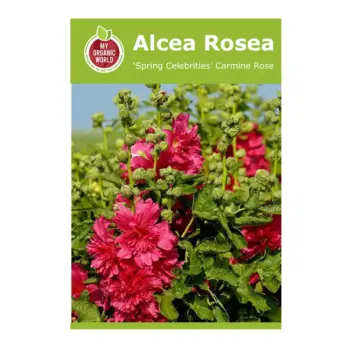
Spring Celebrities Carmine Rose hollyhock seeds, a striking dwarf hollyhock producing large, ruffled double blooms in brilliant carmine-rose shades from its first year. Compact habit makes it ideal for containers, small gardens, and raised bed plantings throughout the Gulf cool season.
Repacked in Kuwait
Packet Size: Contains 10 seeds.
In stock
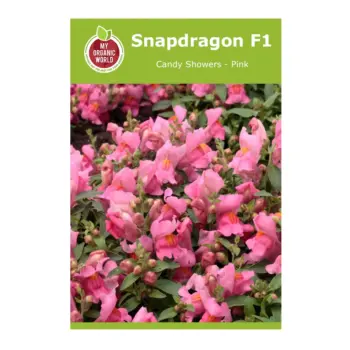
Candy Showers Pink snapdragon produces soft pink flowers on compact trailing plants about 15–25 cm tall. A colorful variety ideal for containers, hanging baskets, and garden borders.
Packet Size: Contains 25 seeds.
Repacked in Kuwait
In stock
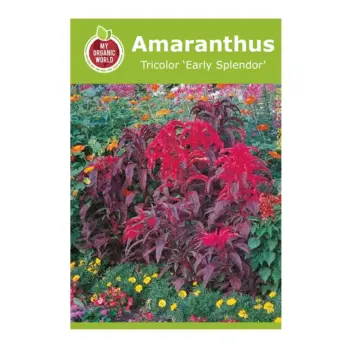
Amaranthus tricolor Early Splendor produces striking foliage in shades of deep red, burgundy, and green on upright plants about 60–90 cm tall. A colorful ornamental plant ideal for borders and landscape planting.
Repacked in Kuwait
Packet Size: Contains 100 seeds.
In stock
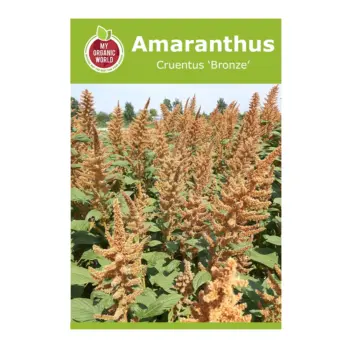
Amaranthus Cruentus Bronze a tall, architectural upright amaranth producing dense, richly colored plumes ranging from intense bronze to deep chestnut-brown over bold dark green foliage. Pure in color without green or pistachio undertones, making it the most dramatic single-tone amaranth for cut flower work, dried arrangements, and back-of-border impact.
Repacked in Kuwait
Packet Size: Contains 250 seeds.
In stock
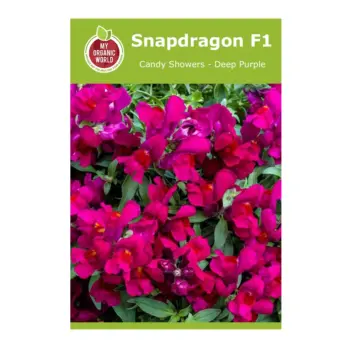
Candy Showers Deep Purple snapdragon produces trailing stems covered with deep purple flowers on compact spreading plants about 15–25 cm tall. A colorful variety suitable for containers, hanging baskets, and garden borders.
Packet Size: Contains 25 seeds.
Repacked in Kuwait
In stock
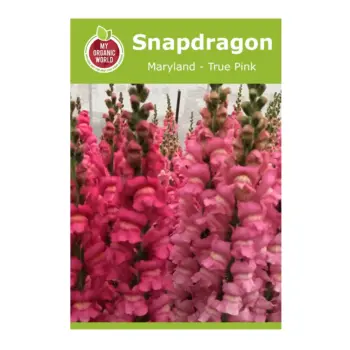
Snapdragon Maryland True Pink produces clear true pink flower spikes on strong plants about 100 cm tall. A reliable variety for cutting gardens and bright border displays.
Packet Size: Contains 25 seeds.
Repacked in Kuwait
In stock
Reviews
There are no reviews yet.