English
 العربية
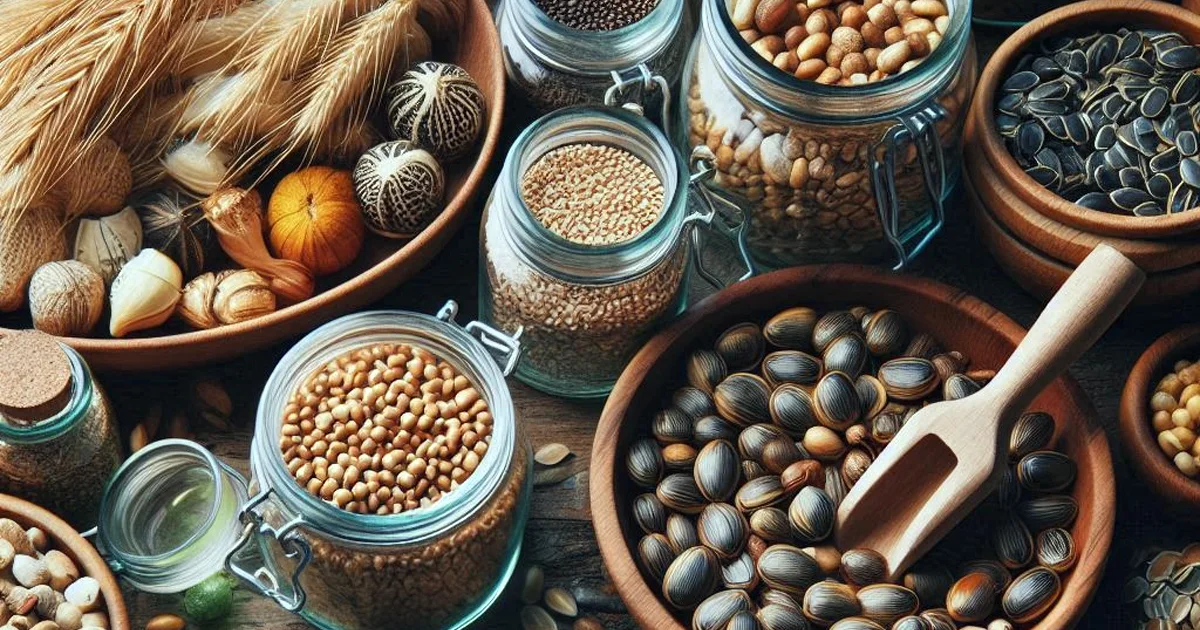
Seeds are not just the starting point for new plants; they are also a treasure trove of genetic diversity that future generations can rely on for food, beauty, and ecological balance. Properly storing and preserving seeds is essential for maintaining their viability over time, ensuring they can sprout and flourish when needed. In this comprehensive guide, we’ll explore everything you need to know about maximizing seed longevity, from understanding seed viability to practical storage techniques that keep your seeds in excellent condition.
Understanding Seed Longevity and Viability
Seeds are remarkable vessels of life, capable of preserving the genetic material of plants for extended periods. However, seeds do have a limited lifespan, and if not stored and preserved properly, they can expire, leading to decreased germination rates and ultimately, the loss of valuable genetic diversity. Understanding the concept of seed viability is fundamental to successful seed storage.
The Science Behind Seed Viability
Seed viability refers to a seed’s ability to germinate and develop into a healthy plant under suitable conditions. The genetic makeup of the seed plays a significant role in determining its longevity, but external factors such as moisture content and storage conditions also heavily influence its viability. Seeds that are properly cared for can remain viable for years, while those subjected to poor conditions may lose their ability to sprout within months.
Factors Affecting Seed Longevity
Several factors can affect the longevity of seeds. Temperature is a major player; high temperatures can accelerate degradation processes. Relative humidity is another crucial factor; too much moisture can lead to mold growth and spoilage. Additionally, light exposure can cause seeds to age prematurely. Understanding these factors is key to creating an environment that helps seeds thrive over time.
Importance of Proper Seed Storage
Proper storage is essential for maintaining seed viability. By creating an environment that minimizes the factors that can lead to seed deterioration, it is possible to extend the longevity of seeds and ensure their viability for future use.
Ideal Environmental Factors for Seed Storage
Seeds are best stored in cool, dark, and dry conditions. The ideal temperature for seed storage is below 50°F (10°C), with a relative humidity of 30-40%. This combination creates a stable environment that reduces the risk of seed expiration. Minimizing light exposure is equally important; UV rays can damage the delicate structures within seeds.
Common Mistakes to Avoid in Seed Storage
Many gardening enthusiasts inadvertently make mistakes that shorten the lifespan of their seeds. Exposing seeds to high humidity levels can lead to mold growth and spoilage, while fluctuating temperatures may stress the seeds and reduce their germination rates. Inadequate airflow can also be detrimental; stagnant air can trap moisture around seeds, creating an environment ripe for deterioration.
Containers and Packaging for Seed Preservation
Choosing the right containers and packaging is crucial for effective seed preservation. Airtight containers provide protection from moisture and pests, which are common threats to stored seeds. Glass jars, vacuum-sealed bags, or specially designed seed storage containers are excellent choices. Additionally, incorporating moisture-absorbing materials like silica gel packets into your storage solution can help maintain the low moisture content that seeds require for long-term storage.
Techniques for Seed Preservation
There are several methods you can adopt to ensure your seeds remain viable for extended periods. Each technique has its strengths, depending on the type of seeds being stored.
Drying and Curing Seeds
One of the most critical steps in seed preservation is properly drying and curing them before storage. This process involves allowing seeds to air dry in a well-ventilated area until they reach the desired moisture level. Ideally, seeds should have a moisture content of around 5-10% before being sealed in containers for long-term storage. Properly dried seeds are less prone to mold and decay, making this step essential.
Freezing and Refrigeration Methods
Some seeds benefit from being stored in a freezer or refrigerator to further extend their longevity. However, it is crucial to ensure that the seeds are adequately dried and packaged before freezing; otherwise, they may suffer from moisture damage when thawed. When done correctly, freezing can slow down biological processes that lead to seed expiration.
Vacuum Sealing for Long-Term Storage
Vacuum sealing is an effective method for long-term seed storage as it creates an airtight environment that protects seeds from moisture and oxygen—two primary factors that contribute to seed deterioration over time. This method not only prolongs seed viability but also helps keep the seeds organized and free from pests.
Seed Viability Testing
Even with proper storage techniques, it’s essential to periodically assess the viability of your stored seeds. Conducting viability tests allows you to determine the germination potential before planting. This information is valuable for making informed decisions about which seeds to use in your garden.
Importance of Seed Viability Testing
Testing seed viability is an excellent way to ensure you are using high-quality seeds when it’s time to plant. Knowing whether your seeds still have good germination rates can save you time and resources in the garden.
Methods for Testing Seed Viability
There are several methods available for testing seed viability. The germination test involves soaking a small number of seeds in water and placing them on a damp paper towel in a warm location. After a few days, you can count how many seeds have sprouted to determine the viability percentage. Other methods include the tetrazolium test, which uses a chemical indicator to assess seed health, and the accelerated aging test, which exposes seeds to high heat and humidity for a short period before testing their germination ability.
Interpreting Seed Viability Test Results
Understanding how to interpret test results is crucial for determining which stored seeds are likely to germinate successfully. A high percentage indicates good viability, while low percentages suggest it might be time to refresh your stock or consider planting those seeds sooner rather than later.
Seed Storage for Different Plant Types
Different types of plants have different storage requirements based on their unique characteristics.
Vegetable and Herb Seeds
Vegetable and herb seeds generally have shorter shelf lives compared to flower or tree seeds. Properly storing these seeds in cool, dry conditions can help maintain their viability for several years. It’s advisable to check specific varieties as some may have unique requirements.
Flower Seeds
Many flower seeds come with longer shelf lives than vegetable or herb seeds. They can usually be stored using similar methods as vegetable seeds. However, it’s essential to research the specific storage needs of each flower species, as some may be more sensitive than others.
Tree and Shrub Seeds
Tree and shrub seeds often require stratification—a process simulating natural conditions needed to break dormancy. Properly stored and stratified seeds can remain viable for several years, making them a vital asset for conservation efforts.
Long-Term Seed Storage
Establishing systems for long-term seed storage is not only beneficial on an individual level but also contributes positively to broader environmental goals.
Creating a Seed Bank
Establishing a seed bank allows individuals and organizations to systematically store and preserve a wide variety of seeds for future use. Seed banks play a crucial role in safeguarding genetic diversity and ensuring plant species’ availability for future generations. They serve as repositories for both commonly cultivated varieties and rare or endangered species.
Community Seed Saving Initiatives
Community seed-saving initiatives promote sharing and preserving locally adapted seeds. These often involve educational programs where community members learn about proper seed storage techniques, as well as organized seed swaps that encourage sharing among local gardeners.
Government and Nonprofit Seed Preservation Programs
Several government agencies and nonprofit organizations are dedicated to preserving plant genetic diversity through various programs. These initiatives often provide resources and support for seed savers while promoting awareness about the importance of safeguarding our natural resources.
Tips for Successful Seed Storage
Successful seed storage involves attention to detail at every stage of the process.
Labeling and Organization
Properly labeling and organizing stored seeds is essential for easy identification and retrieval. Including information such as the seed variety, harvest date, and storage conditions can help track the viability of stored seeds over time.
Rotating Seed Stock
Regularly rotating your seed stock by using older seeds first helps maintain a supply of viable seeds while preventing expiration due to prolonged storage times. This practice ensures you’re always planting fresh stock while keeping older varieties in circulation.
Monitoring Seed Storage Conditions
Regularly checking your storage environment for temperature and humidity levels is crucial in ensuring long-term viability. Inspecting your stored seeds for signs of deterioration should also be part of your routine care.
Conclusion
The preservation of seeds is crucial for maintaining plant biodiversity and ensuring food security in our ever-changing world. By understanding the science behind seed viability, implementing proper storage techniques, and participating in community initiatives aimed at conserving genetic diversity, individuals can contribute significantly to the sustainability of our ecosystems.
Taking Action for Seed Longevity
Whether you are an avid gardener, or someone interested in preserving nature’s bounty, taking action to maximize seed longevity is a worthwhile endeavor that benefits both current generations and those yet unborn. Every small effort contributes towards safeguarding our planet’s rich biodiversity.
By following these guidelines on maximizing seed longevity through proper storage methods, you can ensure that your precious seeds remain viable for years to come—ready when you need them!