English
 العربية
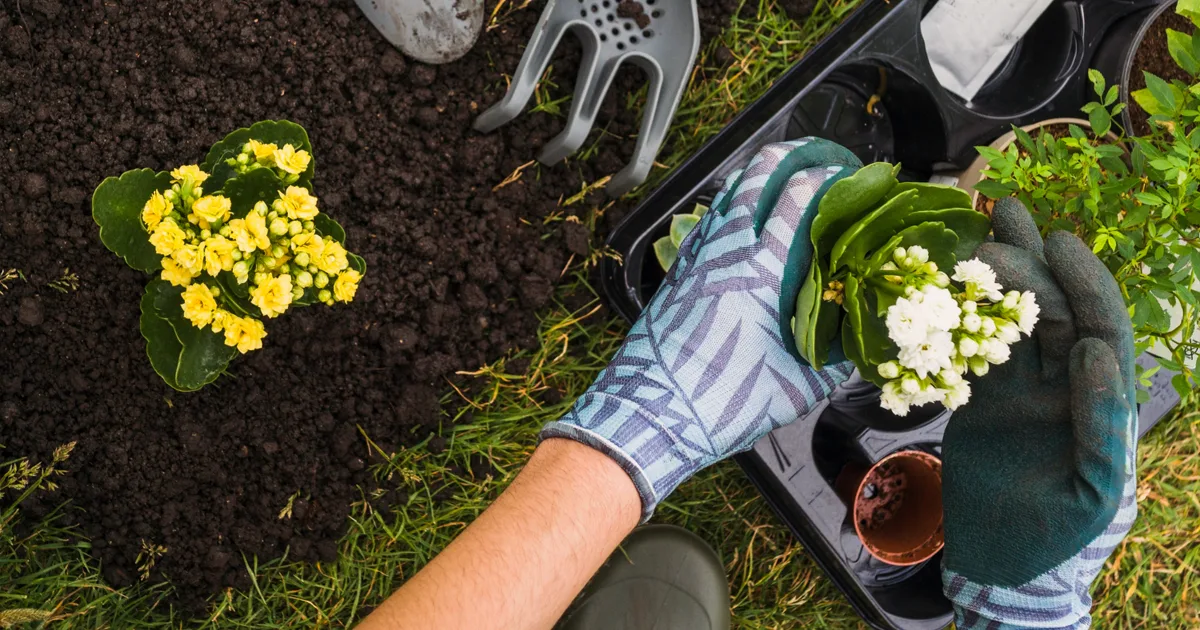
Organic gardening provides a natural and health-focused way to grow your own vegetables, herbs, and fruits in Kuwait and across the GCC region.
This approach emphasizes working with nature, avoiding synthetic chemicals, and promoting healthy soil and biodiversity. With increasing awareness of environmental issues and the benefits of natural produce, organic gardening is gaining popularity in the GCC.
Choosing organic methods not only supports your health and the environment but also enhances the flavor and nutritional value of your homegrown harvest.
Selecting Organic Seeds and Plants
A successful organic garden starts with certified organic seeds and plants. These are grown without synthetic pesticides, herbicides, or genetically modified organisms, ensuring your garden begins free from harmful chemicals. When buying seeds, look for official organic certifications or labels.
For plants, check with local nurseries about their organic growing practices. Using organic seeds and plants is essential to maintain the integrity of your garden and produce truly chemical-free food.
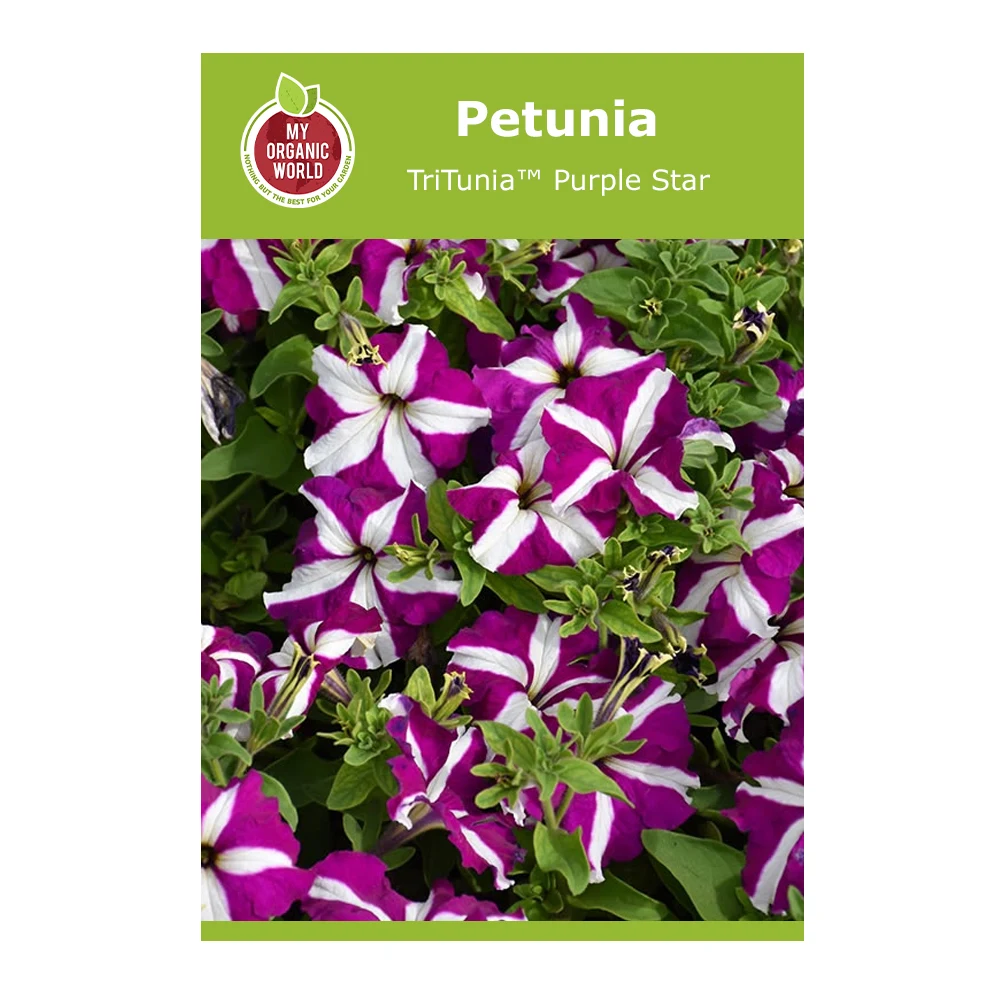
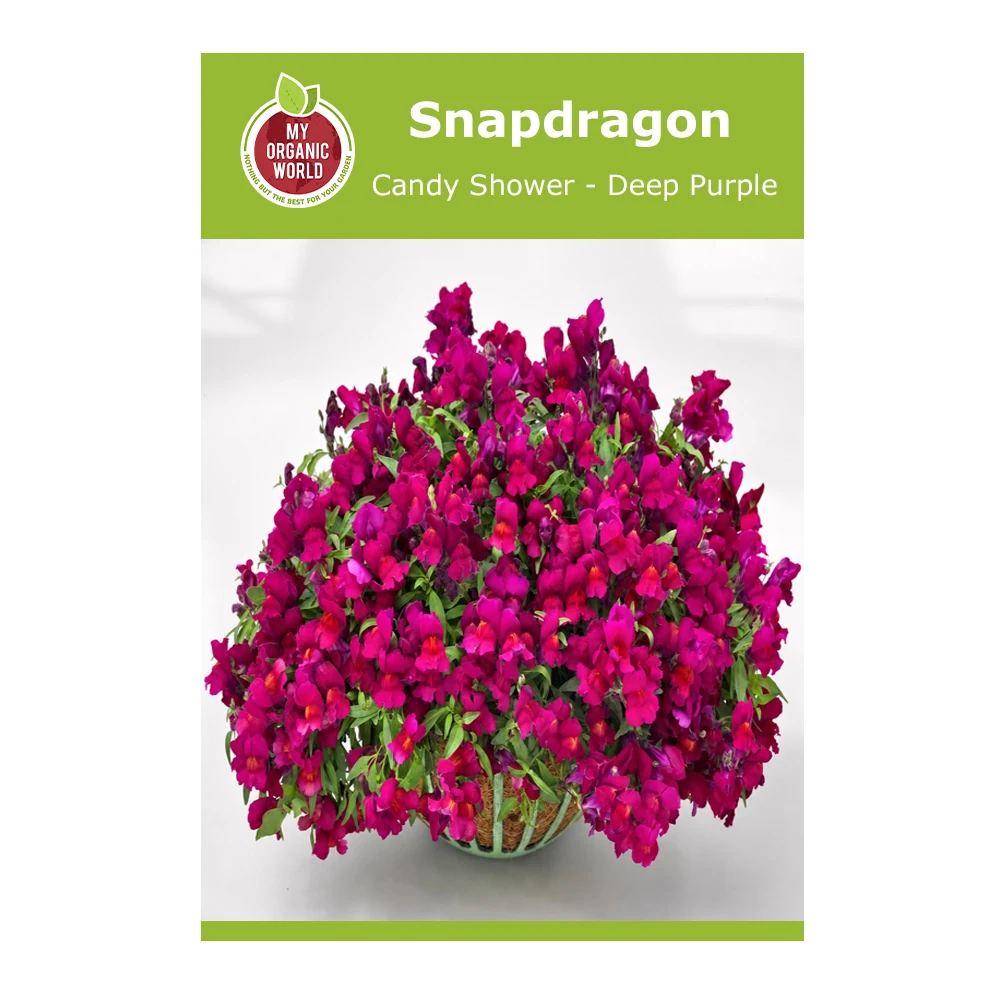
You can find a wide selection of high-quality organic seeds at https://staging.myorganicworld.net/.
Building Healthy Soil Naturally
Healthy soil is the foundation of any thriving organic garden, especially in the GCC where native soils tend to be sandy and low in nutrients. Composting is a key organic gardening practice. By recycling kitchen scraps, yard waste, and other organic materials, you create nutrient-rich compost that improves soil structure, water retention, and fertility. In the hot GCC climate, maintain moisture in your compost pile without waterlogging it; using a closed composter helps retain moisture during dry spells.
Adding organic amendments like well-rotted manure, worm castings, and leaf mold further enriches soil nutrients and texture. While cover cropping is less common in typical GCC gardens, planting legumes can naturally fix nitrogen in the soil to boost fertility. Avoid synthetic fertilizers as they can damage beneficial soil microorganisms and disrupt the natural soil ecosystem. Focusing on natural soil-building methods creates a resilient base for your organic garden.
Natural Pest and Disease Control Methods
Managing pests and diseases without synthetic chemicals is vital in organic gardening. Several natural strategies work well in the GCC:
- Encourage beneficial insects like ladybugs, lacewings, and parasitic wasps to control harmful pests naturally.
- Plant flowers that attract these helpful insects to enhance pest control.
- Use companion planting to deter pests or attract beneficial bugs.
- Apply neem oil, a broad-spectrum organic insecticide and fungicide effective against many pests and diseases.
- Use insecticidal soap for controlling soft-bodied insects such as aphids and spider mites.
- Handpick larger pests in smaller gardens.
- Practice crop rotation by changing crops each season to prevent soil-borne pests and diseases.
- Ensure good air circulation around plants through proper spacing and pruning to reduce fungal disease risks aggravated by humidity.
Water-Wise Organic Gardening Techniques for the GCC
Water conservation is critical in the GCC, and organic gardening aligns well with water-wise practices:
- Combine drip irrigation with organic soil management for efficient water use.
- Organic matter improves soil moisture retention, reducing watering frequency.
- Mulch with organic materials like straw, wood chips, or dried leaves to suppress weeds and lower evaporation.
- Water early in the morning or late in the evening to minimize water loss during hot periods.
- Choose drought-tolerant organic varieties suited to the GCC’s arid conditions for better success.
Growing Popular Organic Produce in the GCC
Many vegetables, herbs, and fruits popular in the GCC thrive organically:
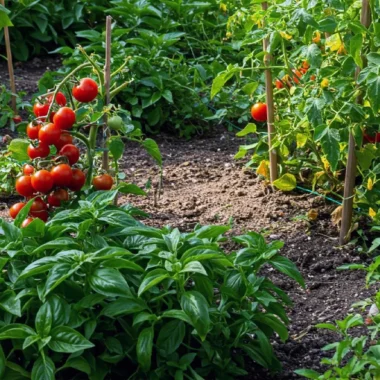
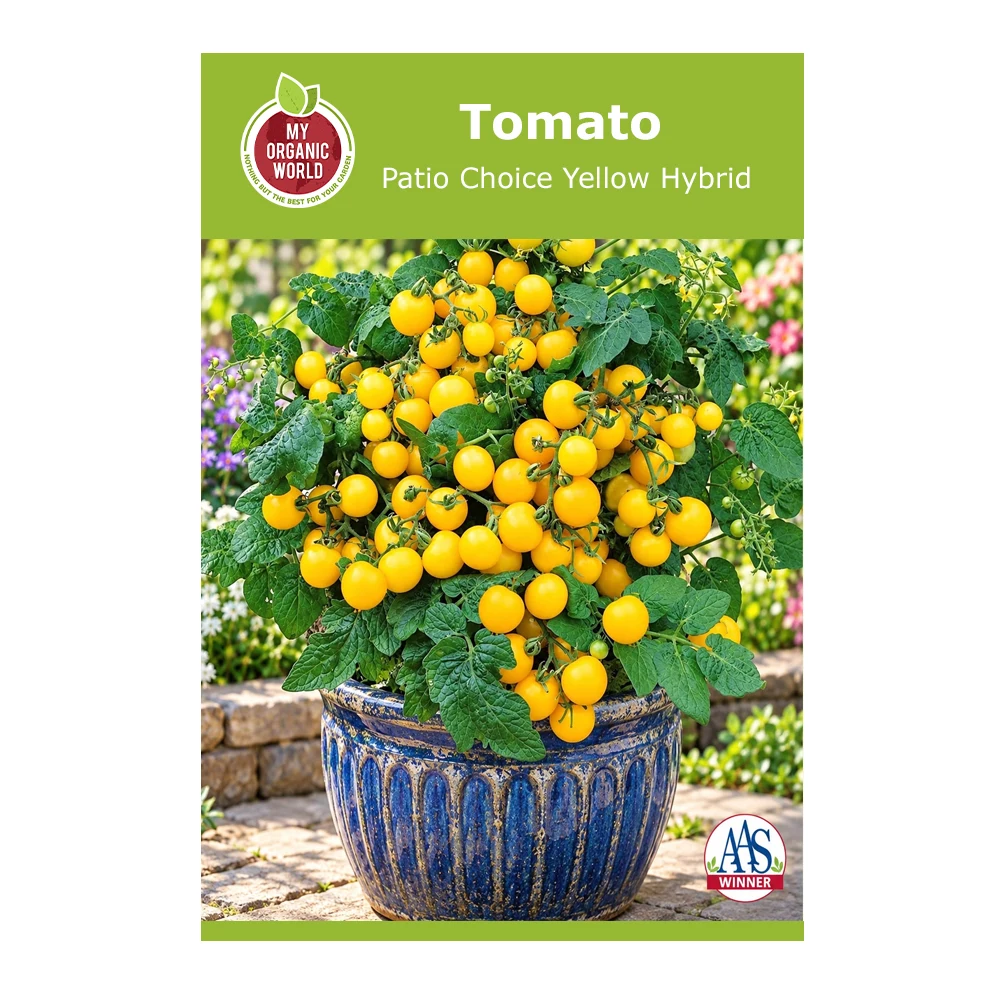
- Organic tomatoes need healthy soil rich in compost and organic matter, consistent watering, and organic fertilizers like worm castings. Use neem oil and beneficial insects for pest control.
- Organic basil flourishes in warm sunlight with well-draining soil; regular watering and tip pinching promote bushier growth. Protect from extreme cold.
- Similar organic techniques apply to cucumbers, peppers, eggplant, okra, and various herbs—adjusting care based on each plant’s needs.
The Rewards of an Organic GCC Garden
Growing an organic garden in the GCC offers numerous benefits:
- Reduced exposure to synthetic pesticides and herbicides promotes better health.
- Supports environmental sustainability by enhancing biodiversity, maintaining healthy soil ecosystems, and minimizing pollution from chemicals.
- Organically grown produce often has superior flavor and higher nutritional content compared to conventional alternatives.
- Provides deep personal satisfaction from nurturing your own healthy food while caring for the planet.
Conclusion
Adopting organic gardening in Kuwait and the GCC is a sustainable and fulfilling way to enjoy homegrown goodness. By focusing on healthy soil building, natural pest control, and water-wise practices, you can create a thriving garden that benefits your health, environment, and palate.
Visit https://staging.myorganicworld.net/ for a wide range of organic seeds, fertilizers, and supplies to support your organic gardening journey in the GCC.
Start your organic garden today and savor the joy of harvesting fresh, healthy produce straight from your own garden.