English
 العربية
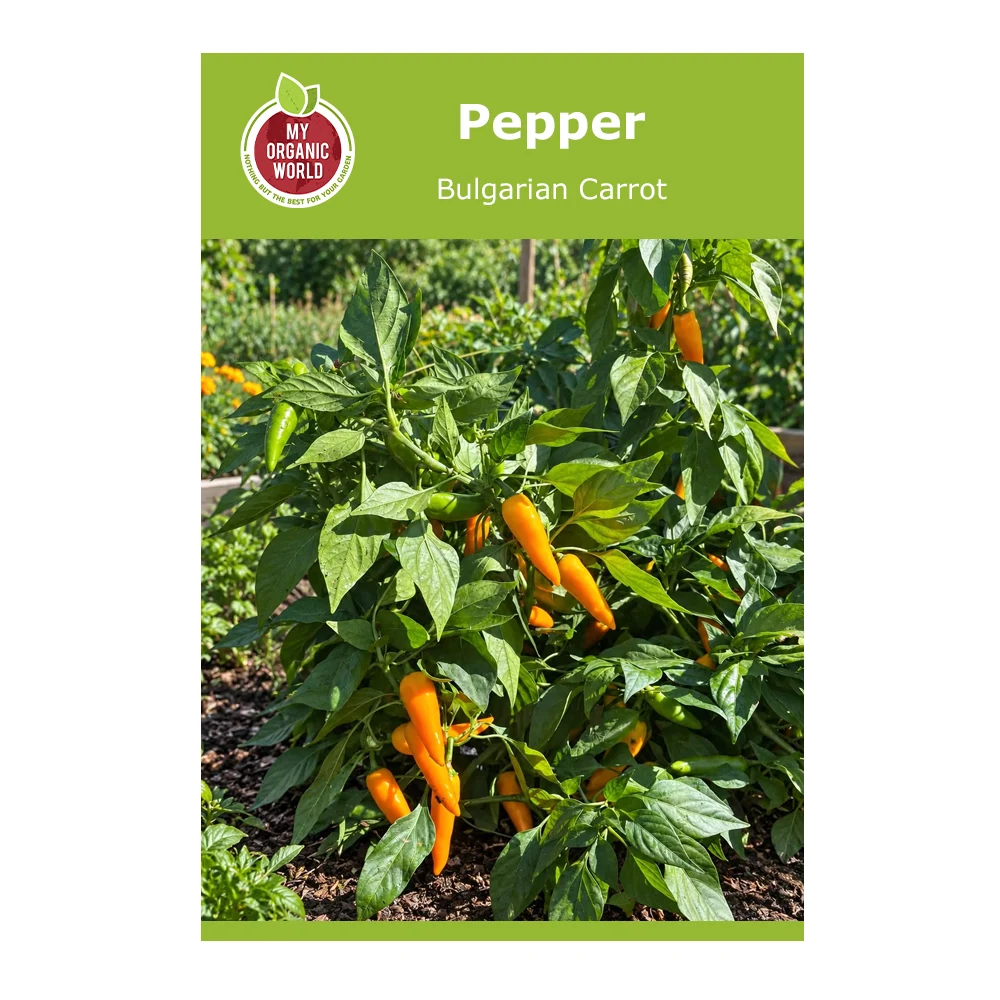
Bulgarian Carrot Pepper
Bulgarian Carrot is a productive heirloom chili pepper producing crisp, carrot-shaped fruits that ripen to brilliant orange. Its fruity, slightly sweet flavor develops into noticeable serrano-like heat, making it excellent for salsa, pickling, hot sauce and drying.
Bulgarian Carrot Pepper – Seedling
- Botanical Name: Capsicum annuum ‘Bulgarian Carrot’
- Alternative Name: Shipka Pepper
- Variety Type: Heirloom, open-pollinated
- Pepper Type: Medium-hot chili pepper
- Heat Level: Approximately 12,000–30,000 SHU
- Fruit Color: Green, progressing through yellow to bright orange
- Fruit Length: Approximately 7–10 cm
- Fruit Shape: Slender, tapered and carrot-shaped
- Fruit Texture: Thick-walled, crisp and crunchy
- Flavor: Fruity and slightly sweet, followed by noticeable heat
- Maturity: Approximately 65–75 days after transplanting
- Growth Habit: Compact, upright and productive
- Mature Height: Approximately 45–60 cm
- Bulgarian Carrot is a distinctive heirloom chilli pepper producing bright-orange fruits that closely resemble small carrots.
- The compact, upright plants carry generous crops of slender peppers that ripen from green through yellow to a vivid orange. The thick, crunchy flesh begins with a sweet, fruity flavor before developing a strong, lingering heat.
- Its colorful fruits and manageable plant size make Bulgarian Carrot an excellent choice for containers, raised beds and productive kitchen gardens. The peppers are especially suitable for fresh salsa, pickling, hot sauces, roasting, stir-fries and drying into chili flakes or powder.
Heat Comparison
Bulgarian Carrot is usually:
- Hotter than an average jalapeño
- Comparable to a mild-to-medium serrano
- Considerably milder than a cayenne or habanero
- The perceived heat varies between individual fruits and is influenced by temperature, irrigation stress, maturity and plant genetics.
Growing in Kuwait
- Recommended transplanting period: October to February, with October–December preferred for the longest productive season.
- Sunlight: Provide 6–8 hours of direct sunlight during the cooler months.
- Spacing: Allow approximately 35–45 cm between plants.
- Container growing: Use a pot of at least 15–20 liters per plant; 25 liters is preferable for extended production.
- Soil: Plant in fertile, well-drained soil enriched with mature compost.
- Watering: Maintain consistent moisture without waterlogging. Severe drought stress may increase heat and reduce fruit quality.
- Feeding: Use balanced nutrition during establishment, followed by a tomato-and-vegetable fertilizer after flowering begins.
- Support: The plant is naturally compact and upright, but light staking may help when branches carry many fruits.
- Harvesting: Peppers may be harvested green, but their characteristic fruity flavor and bright colour develop when fully orange.
- Heat protection: Provide afternoon shade as Kuwait’s temperatures rise to limit blossom drop and sunscald.
Related Products
- Alstroemerias (Peruvian Lilies) are vibrant herbaceous perennials prized for their long-lasting, lily-like, bi-colored blooms in a wide range of colors (pink, rose, purple), often speckled. They thrive in full sun to partial shade.
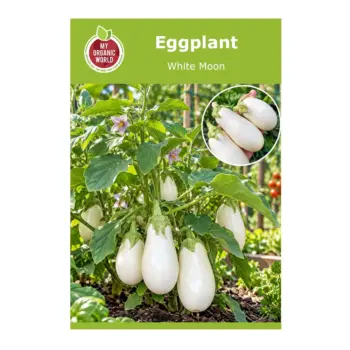
White Moon F1 is an early and highly productive hybrid eggplant producing glossy ivory-white fruits with tender skin and mild, creamy flesh. Its attractive fruits reach approximately 18 cm long and are excellent for grilling, roasting, stuffing and frying.
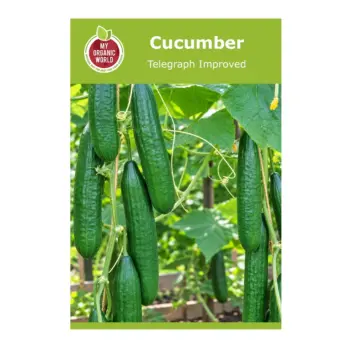
‘Telegraph Improved’ is a classic English heirloom cucumber producing long, slender, dark-green fruits measuring up to 38–46 cm. Its thin skin, crisp flesh, mild flavor and small, soft seeds make it excellent for salads and fresh slicing. Best trained vertically in a greenhouse or protected growing area. Supplied as a healthy young seedling ready for transplanting.
In stock
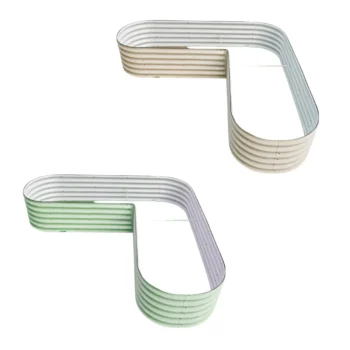
Maximize your gardening in corners with our Eco-Friendly Metal Raised Garden Bed (17″ Tall, L Shape)!
Built with non-toxic, corrosion-resistant steel and a safe, stable design, this L-shaped bed offers ample growing space while fitting neatly into corners.
Promotes healthy plant development for increased yields. Meets RoHS standards.
Only 1 left in stock
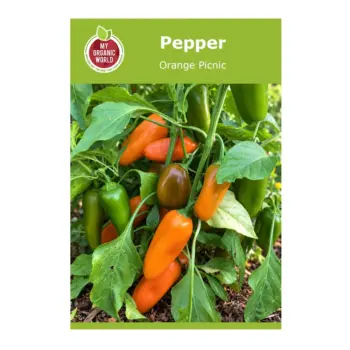
Orange Picnic is a productive open-pollinated sweet pepper producing small, thick-walled orange fruits with crisp texture, rich flavor and very few seeds. Perfect for snacking, lunchboxes, salads, grilling and roasting.
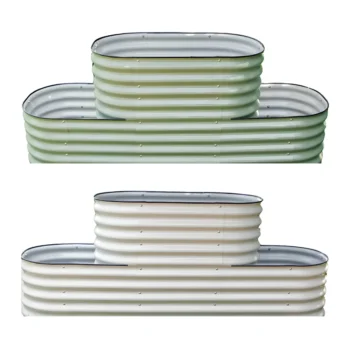
Grow safely and sustainably with our Eco-Friendly Metal Raised Garden Bed (32″ Double Terraced)!
Made with non-toxic materials, super corrosion-resistant steel, and a safe design with no sharp edges, this stable bed offers versatile double-terraced planting (32″ & 17″ with trellis) to boost your garden yields.
Only 1 left in stock